Bitter kola
Garcinia kola · Accepted scientific name
Scientific literature: Very Extensive (213 studies) · ★★★★★
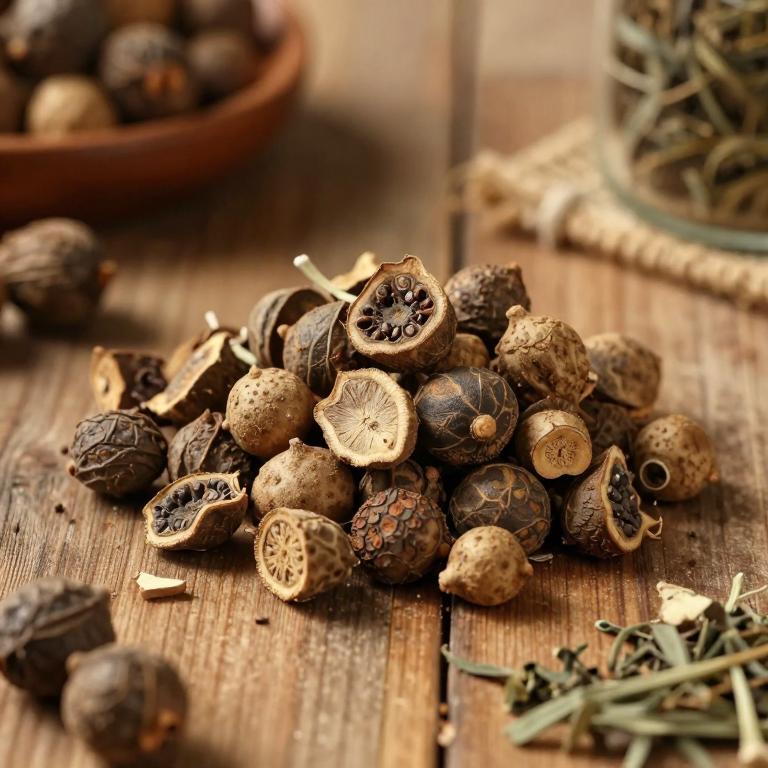
Bitter kola, scientifically known as Garcinia kola, is a potent medicinal plant native to West Africa. Renowned for its unique bitter flavor, it possesses powerful antioxidant, anti-inflammatory, and antimicrobial properties. Traditionally used to treat respiratory issues and boost immunity, this versatile nut serves as a vital natural remedy.
Names and Synonyms
Common Names
- bitter-kola
- false kola
- bitter kola
Scientific Names
Accepted name
Garcinia kolaSynonyms
- Garcinia akawaensis
- Garcinia giadidii
- Garcinia dinklagei
- Garcinia conrauana
- Garcinia bergheana
- Garcinia ndongensis
- Garcinia nitidula
Regional and Traditional Names
French:
- bitter kola
- Petit kola
Sources: Wikidata, Catalogue of Life
Taxonomical Classification
This plant belongs to the kingdom Plantae and the phylum Streptophyta, falling under the class Equisetopsida and subclass Magnoliidae. Within the order Malpighiales, it is classified under the family Clusiaceae. Ultimately, its taxonomic identity is defined by the genus Garcinia.
| Rank | Classification |
|---|---|
| Kingdom | Plantae |
| Phylum | Streptophyta |
| Class | Equisetopsida |
| Subclass | Magnoliidae |
| Order | Malpighiales |
| Family | Clusiaceae |
| Genus | Garcinia |
Sources: The World Checklist of Vascular Plants (WCVP)
Distribution
This plant is primarily found throughout the West Tropical Africa region. Its distribution encompasses several specific countries within this diverse ecological zone. Specifically, it can be located in the nation of Benin. The species also grows within the territories of Guinea, Liberia, and Ivory Coast. Finally, its presence is well-documented across the landscape of Nigeria.
| Region | Area |
|---|---|
| West Tropical Africa | Benin |
| West Tropical Africa | Guinea |
| West Tropical Africa | Ivory Coast |
| West Tropical Africa | Liberia |
| West Tropical Africa | Nigeria |
| West Tropical Africa | Sierra Leone |
| West-Central Tropical Africa | Central African Republic |
| West-Central Tropical Africa | Cameroon |
| West-Central Tropical Africa | Congo |
| West-Central Tropical Africa | Gabon |
Sources: The World Checklist of Vascular Plants (WCVP)
Botanical Identification
Life history
The life history of Garcinia kola is characterized by its nature as a perennial species, allowing it to maintain a stable presence within its tropical ecosystem over many years. As a phanerophyte, the plant directs its growth into large, woody structures where the reproductive organs are borne on branches well above the ground, a trait consistent with both its phanerophyte life form classifications. Throughout its existence, the plant maintains an evergreen deciduousness, ensuring that it retains its foliage year-round to maximize photosynthetic activity in its native habitat.
- Deciduousness :
- evergreen
- Life form :
- phanerophyte
- Lifecycle :
- perennial
Morphology
The morphology of Garcinia kola is characterized by its robust growth form, primarily existing as a woody tree. It is a terrestrial species that functions as an independent organism, meaning it does not exhibit parasitic behavior. The plant is self-supporting in its structure, rather than acting as a liana or vine, and it maintains a significant stature with a mean plant height of approximately 19.81 meters. As a woody perennial, its physical architecture is defined by a solid, lignified stem structure consistent with its classification as a large tree.
- Aquatic :
- terrestrial
- Climber :
- self-supporting
- Epiphyte :
- terrestrial
- Growth form :
- tree
- Parasite :
- independent
- Plant height mean:
- 19.81077786 m
- Woodiness :
- woody
Physiology
The physiology of Garcinia kola is characterized by a standard C3 photosynthetic pathway, meaning it utilizes the Calvin cycle to fix carbon dioxide through the enzyme Rubisco, a trait typical of most tropical woody perennials. This metabolic process is optimized for the shaded and humid environments where the species often thrives, although it lacks the specialized adaptations of C4 or CAM metabolism. Furthermore, the plant does not function as a nitrogen fixer, as it lacks the symbiotic relationship with diazotrophic bacteria, such as Rhizobium, required to convert atmospheric nitrogen into usable forms, and instead relies on the uptake of nitrates and ammonium from the soil through its root system.
- Nitrogen fixer :
- no
- Photosynthetic pathway :
- C3
Reproduction
The reproduction of Garcinia kola is characterized by a highly flexible and variable phenological cycle regarding its reproductive stages. The flowering process is notably inconsistent in its timing, with the flowering start and end periods described as variable throughout the year, potentially occurring across any month from January through December. Similarly, the fruiting cycle exhibits a specific pattern where the fruiting period is centered around May, though the overall duration of fruit development remains variable. This variability in both flowering and fruiting onset and cessation suggests that the plant's reproductive success is closely tied to shifting environmental conditions rather than a strictly fixed seasonal calendar.
- Flowering time :
- variable
- Fruiting time :
- May
Sources: Global Inventory of Floras and Traits (GIFT)
Plant Parts
Garcinia kola has 4 reported plant parts identified across 18 scientific publications and several other databases that are studied for medicinal purposes. The most consistently reported plant part include seed, root, leaf, stem.
| Plant part | Supporting sources | Consensus |
|---|---|---|
| Seed | 14 supporting sources | ★★★★★ |
| Root | 2 supporting sources | ★☆☆☆☆ |
| Leaf | 1 supporting sources | ★☆☆☆☆ |
| Stem | 1 supporting sources | ★☆☆☆☆ |
Seed
- Journal of pharmaceutical and biomedical analysis
- Experientia
- Brain communications
- Journal of ethnopharmacology
- Journal of complementary & integrative medicine
View 9 additional sources
- BMC complementary medicine and therapies
- Journal of basic and clinical physiology and pharmacology
- Planta medica
- Phytochemistry reviews : proceedings of the Phytochemical Society of Europe
- Journal of chromatography. A
- TheScientificWorldJournal
- International journal of environmental research and public health
- Redox biology
- Pharmacological research
Root
- Journal of ethnopharmacology
- The Journal of applied bacteriology
Leaf
- African journal of traditional, complementary, and alternative medicines : AJTCAM
Stem
- Journal of ethnopharmacology
Chemicals
Garcinia kola has 47 reported phytochemicals identified across 18 scientific publications and several other databases. The most consistently reported chemicals include Kolaviron, Flavonoids, GB 2, GB-1, GB-1a.
| Chemical | Supporting sources | Consensus |
|---|---|---|
| Kolaviron | 10 supporting sources | ★★★★★ |
| Flavonoids | 3 supporting sources | ★★☆☆☆ |
| GB 2 | 3 supporting sources | ★★☆☆☆ |
| GB-1 | 3 supporting sources | ★★☆☆☆ |
| GB-1a | 3 supporting sources | ★★☆☆☆ |
| GB1 | 3 supporting sources | ★★☆☆☆ |
| GB2 | 3 supporting sources | ★★☆☆☆ |
| Garcinoic acid | 3 supporting sources | ★★☆☆☆ |
| Kolaflavanone | 3 supporting sources | ★★☆☆☆ |
| Tannins | 3 supporting sources | ★★☆☆☆ |
Kolaviron
- Experientia
- Journal of basic and clinical physiology and pharmacology
- Phytochemistry reviews : proceedings of the Phytochemical Society of Europe
- TheScientificWorldJournal
- The Journal of pharmacy and pharmacology
View 5 additional sources
- Journal of medicinal food
- International journal of environmental research and public health
- Informatics in medicine unlocked
- Pharmacological research
- Biomarkers : biochemical indicators of exposure, response, and susceptibility to chemicals
Flavonoids
- BMC complementary medicine and therapies
- PloS one
- Journal of medicinally active plants
GB 2
- Journal of pharmaceutical and biomedical analysis
- Journal of chromatography. A
- Journal of ethnopharmacology
GB-1
- Journal of pharmaceutical and biomedical analysis
- Journal of chromatography. A
- Journal of ethnopharmacology
GB-1a
- Journal of pharmaceutical and biomedical analysis
- Journal of chromatography. A
- Journal of ethnopharmacology
GB1
- Journal of pharmaceutical and biomedical analysis
- Experientia
- Planta medica
GB2
- Journal of pharmaceutical and biomedical analysis
- Experientia
- Planta medica
Garcinoic acid
- Journal of pharmaceutical and biomedical analysis
- Phytochemistry reviews : proceedings of the Phytochemical Society of Europe
- Redox biology
Kolaflavanone
- Journal of pharmaceutical and biomedical analysis
- Experientia
- Planta medica
Tannins
- BMC complementary medicine and therapies
- The Journal of applied bacteriology
- PloS one
Activities
Garcinia kola has 16 reported activities identified across 18 scientific publications and several other databases. The most consistently reported activities include Neuroprotective, Antidiabetic, Antimalarial, Antibacterial, Antioxidant.
| Activity | Supporting sources | Consensus |
|---|---|---|
| Neuroprotective | 5 supporting sources | ★★★☆☆ |
| Antidiabetic | 4 supporting sources | ★★☆☆☆ |
| Antimalarial | 4 supporting sources | ★★☆☆☆ |
| Antibacterial | 3 supporting sources | ★★☆☆☆ |
| Antioxidant | 3 supporting sources | ★★☆☆☆ |
| Hepatoprotective | 3 supporting sources | ★★☆☆☆ |
| Analgesic | 1 supporting sources | ★☆☆☆☆ |
| Anticancer | 1 supporting sources | ★☆☆☆☆ |
| Antimicrobial | 1 supporting sources | ★☆☆☆☆ |
| Antinociceptive | 1 supporting sources | ★☆☆☆☆ |
Neuroprotective
- Brain communications
- Phytochemistry reviews : proceedings of the Phytochemical Society of Europe
- Evidence-based complementary and alternative medicine : eCAM
- Journal of ethnopharmacology
- Biomarkers : biochemical indicators of exposure, response, and susceptibility to chemicals
Antidiabetic
- Phytochemistry reviews : proceedings of the Phytochemical Society of Europe
- Evidence-based complementary and alternative medicine : eCAM
- The Journal of pharmacy and pharmacology
- Biomarkers : biochemical indicators of exposure, response, and susceptibility to chemicals
Antimalarial
- Journal of pharmaceutical and biomedical analysis
- Phytochemistry reviews : proceedings of the Phytochemical Society of Europe
- Journal of ethnopharmacology
- Biomarkers : biochemical indicators of exposure, response, and susceptibility to chemicals
Antibacterial
- Evidence-based complementary and alternative medicine : eCAM
- PloS one
- Journal of medicinally active plants
Antioxidant
- PloS one
- Journal of medicinally active plants
- Biomarkers : biochemical indicators of exposure, response, and susceptibility to chemicals
Hepatoprotective
- Journal of ethnopharmacology
- Phytochemistry reviews : proceedings of the Phytochemical Society of Europe
- Biomarkers : biochemical indicators of exposure, response, and susceptibility to chemicals
Analgesic
- Phytochemistry reviews : proceedings of the Phytochemical Society of Europe
Anticancer
- Phytochemistry reviews : proceedings of the Phytochemical Society of Europe
Antimicrobial
- Phytochemistry reviews : proceedings of the Phytochemical Society of Europe
Antinociceptive
- Journal of basic and clinical physiology and pharmacology
Conditions
Garcinia kola has 42 reported investigations on conditions identified across 18 scientific publications and several other databases. The most consistently reported conditions include inflammation, bronchitis, malaria, oxidative stress, bacterial infections.
| Condition | Supporting sources | Consensus |
|---|---|---|
| Inflammation | 4 supporting sources | ★★☆☆☆ |
| Bronchitis | 3 supporting sources | ★★☆☆☆ |
| Malaria | 3 supporting sources | ★★☆☆☆ |
| Oxidative stress | 3 supporting sources | ★★☆☆☆ |
| Bacterial infections | 2 supporting sources | ★☆☆☆☆ |
| Cough | 2 supporting sources | ★☆☆☆☆ |
| Laryngitis | 2 supporting sources | ★☆☆☆☆ |
| Lipid peroxidation | 2 supporting sources | ★☆☆☆☆ |
| Neuroinflammation | 2 supporting sources | ★☆☆☆☆ |
| Type 1 diabetes mellitus | 2 supporting sources | ★☆☆☆☆ |
Inflammation
- Journal of basic and clinical physiology and pharmacology
- Planta medica
- TheScientificWorldJournal
- Journal of medicinally active plants
Bronchitis
- Journal of basic and clinical physiology and pharmacology
- International journal of environmental research and public health
- Biomarkers : biochemical indicators of exposure, response, and susceptibility to chemicals
Malaria
- Journal of pharmaceutical and biomedical analysis
- Journal of ethnopharmacology
- Phytochemistry reviews : proceedings of the Phytochemical Society of Europe
Oxidative stress
- TheScientificWorldJournal
- PloS one
- Journal of medicinally active plants
Bacterial infections
- Evidence-based complementary and alternative medicine : eCAM
- Journal of basic and clinical physiology and pharmacology
Cough
- Chemical & pharmaceutical bulletin
- Biomarkers : biochemical indicators of exposure, response, and susceptibility to chemicals
Laryngitis
- Journal of pharmaceutical and biomedical analysis
- Biomarkers : biochemical indicators of exposure, response, and susceptibility to chemicals
Lipid peroxidation
- Indian journal of experimental biology
- TheScientificWorldJournal
Neuroinflammation
- Journal of complementary & integrative medicine
- Journal of ethnopharmacology
Type 1 diabetes mellitus
- Journal of complementary & integrative medicine
- Journal of ethnopharmacology
Preparations
Garcinia kola has 20 reported preparations identified across 18 scientific publications and several other databases. The most consistently reported preparations include extracts, Eluate, Isoamyl alcohol fractions, Kolaviron, Solvent-extracts.
| Preparation | Supporting sources | Consensus |
|---|---|---|
| Extracts | 3 supporting sources | ★★☆☆☆ |
| Eluate | 1 supporting sources | ★☆☆☆☆ |
| Isoamyl alcohol fractions | 1 supporting sources | ★☆☆☆☆ |
| Kolaviron | 1 supporting sources | ★☆☆☆☆ |
| Solvent-extracts | 1 supporting sources | ★☆☆☆☆ |
| Antimalarial improved traditional medicines | 1 supporting sources | ★☆☆☆☆ |
| Aqueous extracts | 1 supporting sources | ★☆☆☆☆ |
| Dichloromethane fraction | 1 supporting sources | ★☆☆☆☆ |
| Ethanolic formulations | 1 supporting sources | ★☆☆☆☆ |
| Ethyl acetate fraction | 1 supporting sources | ★☆☆☆☆ |
Extracts
- Chemical & pharmaceutical bulletin
- Journal of infection in developing countries
- Phytotherapy research : PTR
Eluate
- Evidence-based complementary and alternative medicine : eCAM
Isoamyl alcohol fractions
- Journal of ethnopharmacology
Kolaviron
- The Journal of pharmacy and pharmacology
Solvent-extracts
- International journal of molecular sciences
Antimalarial improved traditional medicines
- Journal of pharmaceutical and biomedical analysis
Aqueous extracts
- Phytotherapy research : PTR
Dichloromethane fraction
- Brain communications
Ethanolic formulations
- Planta medica
Ethyl acetate fraction
- Brain communications