Fumaria
Fumaria · Accepted scientific name
Scientific literature: Very Sparse (1 studies) · ★☆☆☆☆
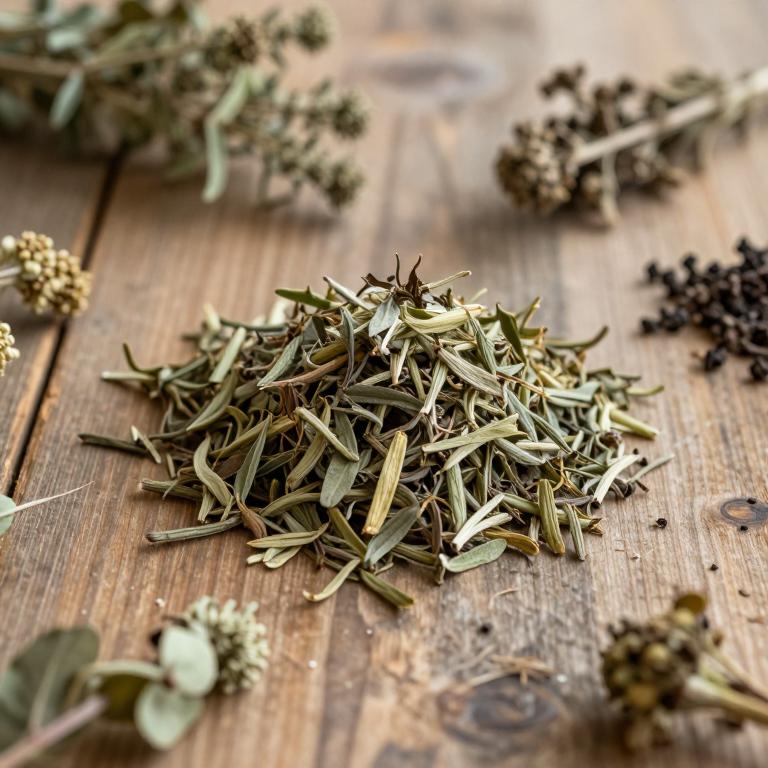
Fumaria is a diverse genus of herbaceous plants known for their delicate, many-flowered spikes and distinctive foliage. While often viewed as common weeds, these plants have long been recognized in traditional herbalism for their unique medicinal properties. They are particularly valued for their potent anti-itching activities, making them a popular choice for soothing irritated skin. By applying topical preparations, individuals often use this plant to alleviate the discomfort of various dermatological conditions. Understanding the botanical characteristics of Fumaria is the first step in exploring its therapeutic potential for skin relief.
- Synonyms
- Not available
- Common names
- Not available
- Family
- Papaveraceae
- Distribution
- Asia-Tropical
- Plant Parts
- Not available
Classification
Common Names
Fumaria is a diverse genus of plants known by several different names depending on the region and language. In various European traditions, it is commonly referred to as Dymnica or Erdrauch. Those speaking Romanian might identify the plant as Fumariță, while English speakers often use the term Fumitories. Similarly, the name Fumàries is another common way to denote this specific group of flora. These varied designations highlight the widespread recognition and cultural history of the plant across different territories.
Sources: Catalogue of Life (COL)
Taxonomy
Fumaria belongs to the vast kingdom Plantae, representing the diverse world of living vegetation. Within this kingdom, the plant is classified under the class Equisetopsida. It further falls into the order Ranunculales, a group that defines its evolutionary lineage. As a member of the Papaveraceae family, it shares biological traits with other notable flowering plants. Ultimately, it is identified by its specific genus, Fumaria, which distinguishes it from its many botanical relatives.
| Rank | Classification |
|---|---|
| Kingdom | Plantae |
| Phylum | Streptophyta |
| Class | Equisetopsida |
| Subclass | Magnoliidae |
| Order | Ranunculales |
| Family | Papaveraceae |
| Genus | Fumaria |
Sources: The World Checklist of Vascular Plants (WCVP)
Distribution
Geographic Regions
Fumaria exhibits a diverse geographic range that spans across several distinct regions of the African continent. Within East Tropical Africa, this genus can be found thriving in the landscapes of Kenya, Tanzania, and Uganda. Its reach also extends westward to the Atlantic islands, establishing a presence within the Macaronesia archipelago. Specifically, these plants are documented growing in the Azores as well as the Canary Islands. This broad distribution highlights the plant's ability to adapt to various island and mainland environments.
Sources: The World Checklist of Vascular Plants (WCVP)
Identification
Biological Activities
Fumaria is identified in traditional Persian medicine as a medicinal plant possessing effective anti-itching properties. This plant is part of a broader range of natural remedies, including violets and coriander, used to alleviate the discomfort of pruritus. Pruritus itself is a common clinical manifestation of skin diseases that often results in an intense desire to scratch. Traditional practitioners approach this condition by addressing underlying causes, such as the accumulation of pathogenic humors in the subcutaneous tissue. By integrating plants like Fumaria into treatment regimens, these ancient therapies aim to provide relief with potentially mild side effects.