Fuchsia triphylla
Fuchsia triphylla · Accepted scientific name
Scientific literature: Very Sparse (0 studies) · ★☆☆☆☆
Fuchsia triphylla is a unique botanical species that has garnered interest for its potential pharmacological properties. This study focuses specifically on the biological activity associated with the plant's leaf components. To evaluate these effects, researchers prepared both 50% (v/v) ethanolic and aqueous extracts from the foliage. The primary objective was to observe how these preparations influence the healing process of various wounds. Through this investigation, the therapeutic potential of the leaves in promoting tissue recovery can be better understood.
- Synonyms
- Not available
- Common names
- Not available
- Family
- Onagraceae
- Distribution
- Not available
- Plant Parts
- Leaf
Classification
Common Names
Fuchsia triphylla is a versatile plant known by several distinct regional names. In certain areas, it is affectionately referred to as Cocaria or the Fuchsia de Valle Nuevo. Those in the Dominican Republic may recognize it simply as Fusia, while others call it brinco-de-princesa. Additionally, the species is sometimes identified as fuchsia trojlistá. These various common names reflect the plant's diverse cultural presence across different landscapes.
Sources: Catalogue of Life (COL)
Taxonomy
Fuchsia triphylla is a remarkable organism that belongs to the kingdom Plantae. Within this vast botanical world, it is classified under the class Equisetopsida. This specific plant is a member of the order Myrtales, which helps define its biological structure. It further resides within the Onagraceae family, showcasing its unique evolutionary traits. Ultimately, its identity is defined by its placement in the genus Fuchsia.
| Rank | Classification |
|---|---|
| Kingdom | Plantae |
| Phylum | Streptophyta |
| Class | Equisetopsida |
| Subclass | Magnoliidae |
| Order | Myrtales |
| Family | Onagraceae |
| Genus | Fuchsia |
Sources: The World Checklist of Vascular Plants (WCVP)
Distribution
Geographic Regions
Fuchsia triphylla is a striking plant with a specialized geographic range. This species is widely distributed throughout Southern America and the Caribbean. Its presence is particularly notable within the lush landscapes of the Dominican Republic. Additionally, the plant can be found thriving in the unique environments of Haiti. These diverse locations highlight the plant's adaptability to various tropical regions.
Sources: The World Checklist of Vascular Plants (WCVP)
Identification
Morphology
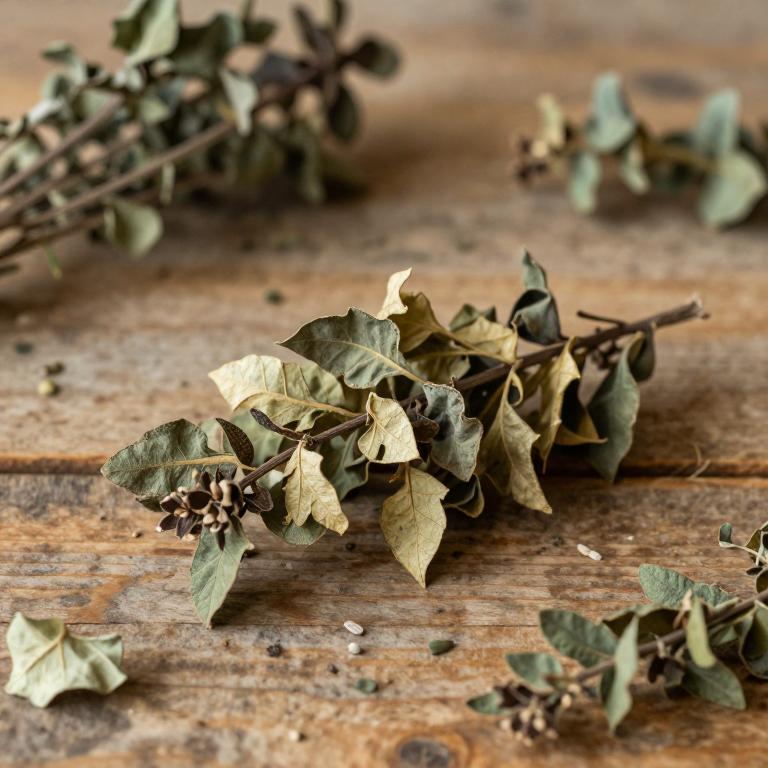
Fuchsia triphylla is a self-supporting plant that takes on a distinct tree-like growth form. This species can reach a maximum height of up to 5 meters in the right conditions. Its sturdy structure allows it to stand tall and develop a significant presence in its natural environment.
Sources: Global Inventory of Floras and Traits (GIFT)
Biological Activities
Compounds
Conditions
Fuchsia triphylla is recognized in Romanian ethnomedicine for its potential to treat wounds. Research indicates that this plant contains various phenolic acid, flavonoid, and anthocyanin derivatives that contribute to its biological effectiveness. Specifically, the ethanolic extracts of the species facilitate cell migration, which is a critical component of the healing process. These extracts also demonstrate high antioxidant and antimicrobial activities that support tissue recovery. Consequently, the plant serves as a significant subject for exploring complex mechanisms in wound healing assays.
Preparations
Fuchsia triphylla is prepared as 50% (v/v) ethanolic and aqueous extracts for scientific study. These specific preparations were utilized to analyze the plant's composition and biological properties. The extracts allow for the investigation of cytotoxic, antimicrobial, and antioxidant activities. By using these concentrations, researchers can effectively evaluate the effects of the plant on cell migration. This preparation method is essential for understanding the potential medicinal applications of the species.
Parts used
Fuchsia triphylla is a medicinal plant that has been studied for its potential role in traditional wound healing. Researchers focused their investigation on the specific properties of the plant's leaf through the use of ethanolic and aqueous extracts. By analyzing these leaf extracts, scientists were able to identify various phenolic compounds, including flavonoids and anthocyanins. These components contributed to the species' significant antioxidant, antimicrobial, and cytotoxic activities. Ultimately, the study suggests that the chemical profile found in the leaf may play a vital role in facilitating cell migration during the healing process.