Fuchsia magellanica
Fuchsia magellanica · Accepted scientific name
Scientific literature: Very Sparse (0 studies) · ★☆☆☆☆
Fuchsia magellanica is a versatile shrub known for its striking floral displays and significant potential in pharmacological research. Recent studies have focused on evaluating the therapeutic properties of its leaves when applied to various wound conditions. To investigate these effects, researchers prepared both 50% (v/v) ethanolic and aqueous extracts from the plant material. These preparations allow for a comparative analysis of how different solvent systems influence the biological activity of the plant's constituents. Understanding these extracts is essential for determining the efficacy of Fuchsia magellanica in promoting skin healing and tissue repair.
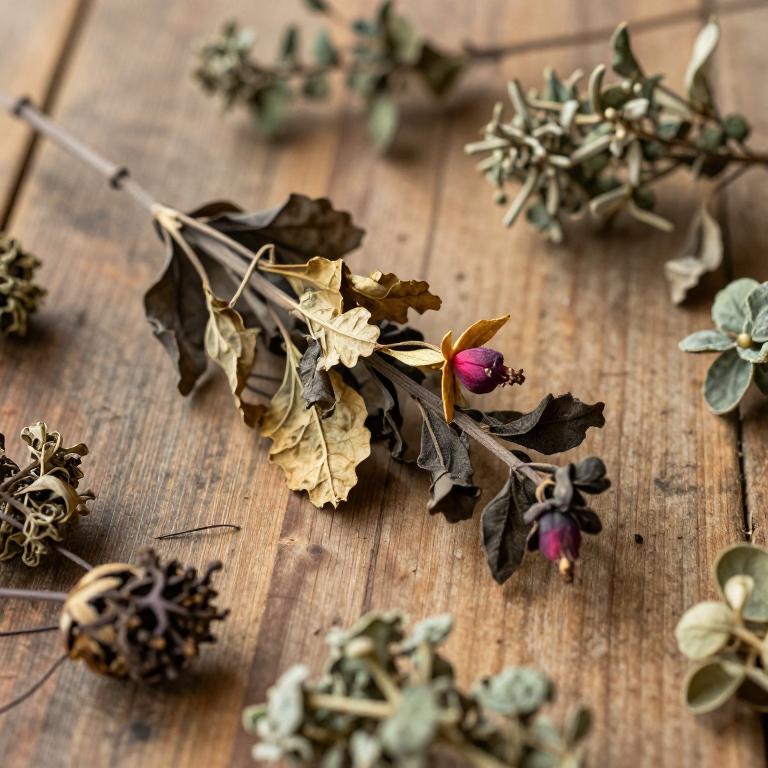
- Synonyms
- Fuchsia Macrostemma Var. Tenella · Fuchsia Myrtifolia · 39 more
- Common names
- Not available
- Family
- Onagraceae
- Distribution
- Not available
- Plant Parts
- Leaf
Classification
Common Names
Fuchsia magellanica is a versatile plant known by a wide variety of regional and local names. In some areas, it is affectionately referred to as Aljaba or Aretillo sudamericano. It is also commonly called Chilco, a name that reflects its cultural significance in certain landscapes. Travelers and botanists might also encounter it under the titles Coeden Drops or Dagrau Mair. This diversity of nomenclature highlights the plant's widespread presence and deep roots in different communities.
Sources: Catalogue of Life (COL)
Synonyms
Fuchsia magellanica is a complex species that has been identified by several different botanical names throughout history. Scientific literature frequently lists synonyms such as Fuchsia araucana and Fuchsia chonotica to describe variations of this plant. The taxonomic history also includes specific classifications like Fuchsia coccinea var. chonotica and Fuchsia coccinea var. macrostemma. Furthermore, researchers have previously recognized the variety known as Fuchsia coccinea var. robustior under this same umbrella. Understanding these overlapping names is essential for anyone studying the diverse lineage of this flowering plant.
Sources: The World Checklist of Vascular Plants (WCVP)
Taxonomy
Fuchsia magellanica belongs to the vast kingdom Plantae, representing the diverse life forms found within the plant world. This specific species is classified under the class Equisetopsida, distinguishing its fundamental biological structure. Within this group, it is organized under the order Myrtales, which helps scientists trace its evolutionary lineage. It further resides in the family Onagraceae, a group known for its distinct floral characteristics. Finally, its identity is solidified within the genus Fuchsia, marking it as a quintessential member of its namesake lineage.
| Rank | Classification |
|---|---|
| Kingdom | Plantae |
| Phylum | Streptophyta |
| Class | Equisetopsida |
| Subclass | Magnoliidae |
| Order | Myrtales |
| Family | Onagraceae |
| Genus | Fuchsia |
Sources: The World Checklist of Vascular Plants (WCVP)
Distribution
Geographic Regions
Fuchsia magellanica exhibits a widespread distribution across several diverse African regions. In East Tropical Africa, the species can be found flourishing in both Kenya and Tanzania. Its presence extends to the Macaronesia islands, where it inhabits the lush landscapes of the Azores and Madeira. Furthermore, the plant is documented within the West-Central Tropical Africa region, specifically in Rwanda. This varied range highlights the plant's ability to adapt to multiple distinct environments across the continent.
Sources: The World Checklist of Vascular Plants (WCVP)
Identification
Morphology
Fuchsia magellanica is a versatile shrub that naturally adopts a self-supporting growth form. This resilient plant typically reaches a minimum height of 1 meter as it begins to establish itself. Depending on its environment, it can develop into a medium-sized specimen of at least 3 meters. In optimal conditions, the plant can continue to expand until it reaches a maximum height of 4 meters. This range of size makes it a flexible choice for various landscape designs.
Sources: Global Inventory of Floras and Traits (GIFT)
Biological Activities
Compounds
Conditions
Fuchsia magellanica is utilized in Romanian ethnomedicine specifically for its potential to treat wounds. Research indicates that this plant species possesses significant antimicrobial and antioxidant activities that support its medicinal use. Furthermore, ethanolic extracts of the plant have been shown to facilitate cell migration, which is a critical component of the healing process. These biological effects are likely driven by various phenolic acid, flavonoid, and anthocyanin derivatives found within the species. Consequently, the plant's ability to promote cellular movement suggests a complex role in supporting wound repair.
Preparations
Fuchsia magellanica is prepared as 50% (v/v) ethanolic and aqueous extracts to facilitate scientific analysis. These specific liquid chromatography preparations allow for the study of the plant's diverse phenolic compounds. By using these extract concentrations, researchers can evaluate the antimicrobial and antioxidant activities inherent to the species. The methodology specifically focuses on how these ethanolic and aqueous forms interact with various biological assays. Consequently, this preparation method serves as a critical step in exploring the plant's potential for wound healing applications.
Parts used
Fuchsia magellanica serves as a key subject in recent research investigating the medicinal properties of Transylvanian flora. During the study, scientists utilized ethanolic and aqueous extracts specifically derived from the plant's leaf to analyze its chemical composition. These extracts were evaluated for their significant antioxidant, antimicrobial, and cytotoxic activities. Interestingly, the findings revealed that the species possesses a unique ability to facilitate cell migration, which is crucial for biological repair. Such results suggest that the phenolic compounds found within the leaves could play a vital role in future wound healing treatments.