Fritillaria sinica
Fritillaria sinica · Accepted scientific name
Scientific literature: Very Sparse (0 studies) · ★☆☆☆☆
Fritillaria sinica is a specialized plant species often studied for its unique morphological and regenerative properties. Research frequently focuses on various developmental stages, ranging from mature bulbs to embryogenetic calli. Scientists also examine the potential of callus cultures to understand the plant's cellular plasticity. Additionally, the study of young stems provides critical insights into the structural growth patterns of the organism. Through these different preparations, a comprehensive understanding of its biological makeup can be achieved.
- Synonyms
- Not available
- Common names
- Not available
- Family
- Liliaceae
- Distribution
- Not available
- Plant Parts
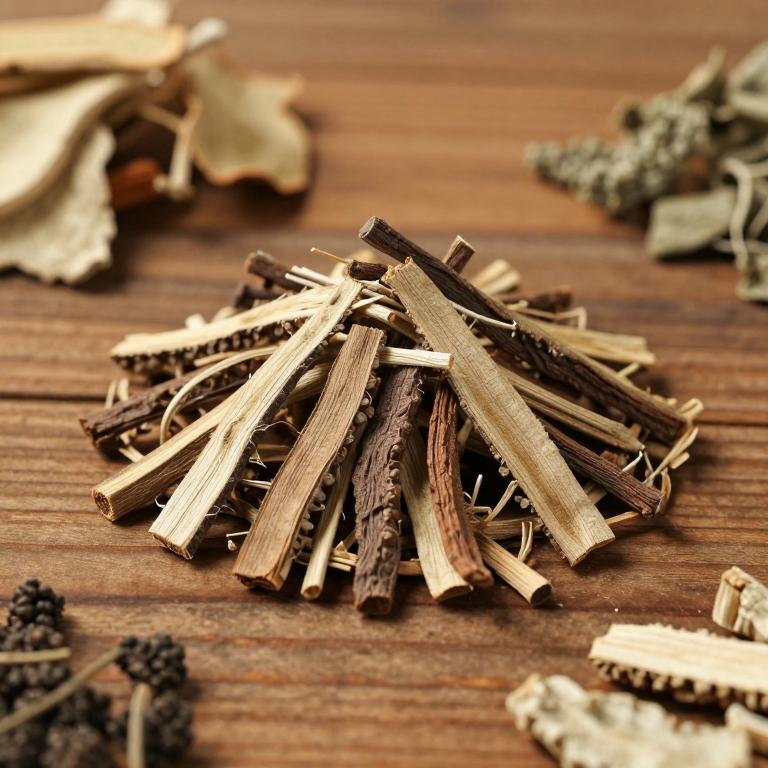
- Stem
Classification
Common Names
Fritillaria sinica is a unique botanical species known by several distinct names across different languages. In Russian, this plant is commonly referred to as Рябчик китайский. It also holds a significant place in Chinese culture, where it is known as 中华贝母. These varied designations highlight the diverse linguistic and regional identities associated with the plant. Understanding these common names can help enthusiasts and researchers identify the species more easily in global literature.
Sources: Catalogue of Life (COL)
Taxonomy
Fritillaria sinica belongs to the vast kingdom Plantae, representing the diverse life found throughout the natural world. Within this kingdom, the species is classified under the class Equisetopsida. It further refines its biological identity as a member of the order Liliales. This botanical journey continues into the family Liliaceae, which highlights its structural characteristics. Ultimately, the plant is defined by its specific placement within the genus Fritillaria.
| Rank | Classification |
|---|---|
| Kingdom | Plantae |
| Phylum | Streptophyta |
| Class | Equisetopsida |
| Subclass | Magnoliidae |
| Order | Liliales |
| Family | Liliaceae |
| Genus | Fritillaria |
Sources: The World Checklist of Vascular Plants (WCVP)
Distribution
Geographic Regions
Fritillaria sinica is a distinctive species primarily found within the Asia-Temperate regions. Its natural range is concentrated heavily throughout China, showcasing a specific preference for these landscapes. Within the country, the plant shows a notable presence across China South-Central. This localized distribution highlights the unique environmental niches where the species can truly thrive. Understanding these geographic patterns is essential for studying the plant's ecological role in its native habitat.
Sources: The World Checklist of Vascular Plants (WCVP)
Identification
Morphology
Fritillaria sinica is a self-supporting plant that maintains its own structural integrity without the need for external assistance.
Sources: Global Inventory of Floras and Traits (GIFT)
Biological Activities
Compounds
Conditions
Preparations
Fritillaria sinica is prepared as young stems to serve as the primary explants for organ regeneration and somatic embryogenesis. These young stems are cultured on specialized media to develop into various callus cultures. From these callus cultures, the plant is specifically prepared as embryogenetic calli through the induction process. Ultimately, the cultivation process allows Fritillaria sinica to be prepared as bulbs through methods such as somatic embryogenesis or the production of adventitious buds. These different preparation methods demonstrate the plant's capacity for regeneration in a laboratory setting.
Parts used
Fritillaria sinica possesses a versatile biological structure where the young stem serves as a critical component for tissue cultivation. Researchers have demonstrated that these stems can be utilized to induce both embryogenetic calli and regenerated bulbs when cultured on specific media. By supplementing Murashige and Skoog medium with various hormones like NAA and 2,4-D, the stem tissue responds effectively to regenerative signals. This process allows for the successful production of new bulbs through methods such as somatic embryogenesis or the development of adventitious buds. Ultimately, the stem plays a foundational role in the plant's ability to undergo organ regeneration in a controlled laboratory setting.