Fraxinus chinensis ssp. rhynchophylla
Fraxinus chinensis subsp. rhynchophylla · Accepted scientific name
Scientific literature: Very Extensive (214 studies) · ★★★★★
Fraxinus chinensis ssp. rhynchophylla, scientifically known as Fraxinus chinensis subsp. rhynchophylla, is a significant medicinal plant deeply rooted in traditional East Asian practices. Renowned for its therapeutic properties, various parts of this species are utilized to treat inflammatory conditions, support digestive health, and promote overall systemic wellness through natural compounds.
- Family
- Oleaceae
- Native range
- Asia-Temperate
- Parts used
- Stem
- Common names
- Not available
- Scientific synonyms
- Fraxinus Rhynchophylla Var. Densata · Fraxinus Chinensis Var. Rhynchophylla · 17 more
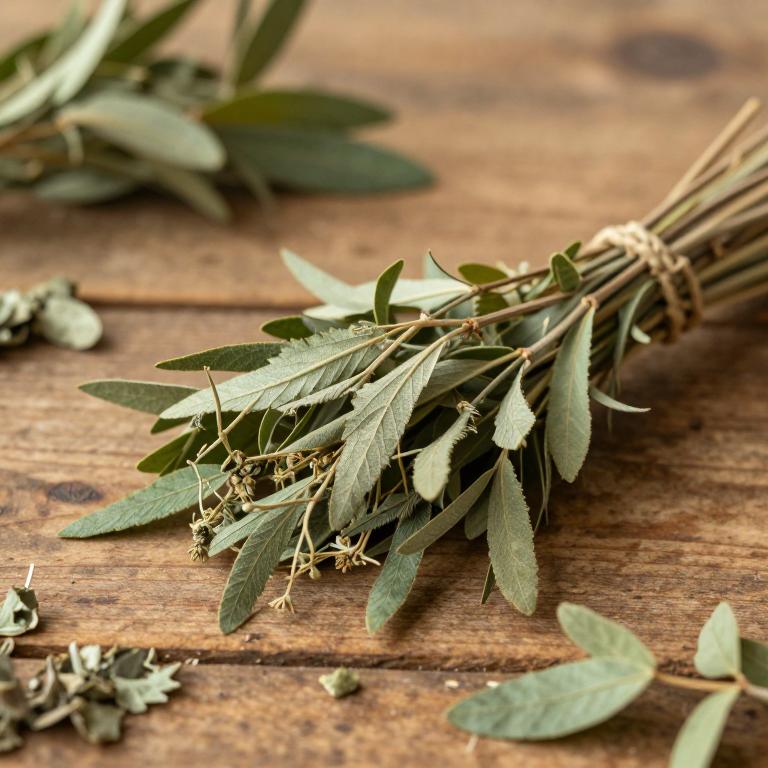
Names and Synonyms
Scientific Names
Accepted name
Fraxinus chinensis subsp. rhynchophyllaSynonyms
- Fraxinus rhynchophylla var. densata
- Fraxinus chinensis var. rhynchophylla
- Fraxinus japonica
- Fraxinus koshiensis
- Fraxinus nakaiana
- Fraxinus rhynchophylla var. angusticarpa
- Fraxinus rhynchophylla var. lasiorachis
- Fraxinus rhynchophylla var. mollis
- Fraxinus stenocarpa
- Fraxinus chinensis var. tomentosa
- Fraxinus rhynchophylla var. lasiorhachis
- Fraxinus rhynchophylla
- Fraxinus densata
- Fraxinus rhynchophylla var. hopeiensis
- Fraxinus japonica var. intermedia
- Fraxinus hopeiensis
- Fraxinus japonica var. stenocarpa
- Fraxinus japonica f. stenocarpa
- Fraxinus ornus var. bungeana
Regional and Traditional Names
German:
- Schnabel-Esche
Sources: Wikidata, Catalogue of Life
Taxonomical Classification
This plant belongs to the kingdom Plantae and the phylum Streptophyta, falling under the class Equisetopsida and subclass Magnoliidae. Within the order Lamiales, it is classified under the family Oleaceae and the genus Fraxinus. Specifically, the medicinal species is identified as Fraxinus chinensis subsp. rhyncophylla.
| Rank | Classification |
|---|---|
| Kingdom | Plantae |
| Phylum | Streptophyta |
| Class | Equisetopsida |
| Subclass | Magnoliidae |
| Order | Lamiales |
| Family | Oleaceae |
| Genus | Fraxinus |
Sources: The World Checklist of Vascular Plants (WCVP)
Distribution
This plant exhibits a broad geographical range spanning across several distinct regions in East Asia. Within the Russian Far East, its presence is specifically noted in the Primorye region. In China, the species can be found throughout the territories of Inner Mongolia and Manchuria. Furthermore, its distribution extends into the China North-Central areas. Finally, the plant is also documented to grow within the China Southeast region.
| Region | Area |
|---|---|
| Russian Far East | Primorye |
| China | Inner Mongolia |
| China | Manchuria |
| China | China North-Central |
| China | China Southeast |
| Eastern Asia | Japan |
| Eastern Asia | Korea |
Sources: The World Checklist of Vascular Plants (WCVP)
Plant Parts
Fraxinus chinensis subsp. rhynchophylla has 1 reported plant parts identified across 1 scientific publications and several other databases that are studied for medicinal purposes. The most consistently reported plant part include stem.
| Plant part | Supporting sources | Consensus |
|---|---|---|
| Stem | 1 supporting sources | ★☆☆☆☆ |
Stem
- Archives of pharmacal research
Chemicals
Fraxinus chinensis subsp. rhynchophylla has 18 reported phytochemicals identified across 1 scientific publications and several other databases. The most consistently reported chemicals include ARSENIC, CALCIUM, COPPER, Esculetin, Esculin.
| Chemical | Supporting sources | Consensus |
|---|---|---|
| ARSENIC | 1 supporting sources | ★☆☆☆☆ |
| CALCIUM | 1 supporting sources | ★☆☆☆☆ |
| COPPER | 1 supporting sources | ★☆☆☆☆ |
| Esculetin | 1 supporting sources | ★☆☆☆☆ |
| Esculin | 1 supporting sources | ★☆☆☆☆ |
| Ferulaldehyde | 1 supporting sources | ★☆☆☆☆ |
| Fraxetin | 1 supporting sources | ★☆☆☆☆ |
| Fraxidin | 1 supporting sources | ★☆☆☆☆ |
| Fraxin | 1 supporting sources | ★☆☆☆☆ |
| IRON | 1 supporting sources | ★☆☆☆☆ |
ARSENIC
- Dr. Duke
CALCIUM
- Dr. Duke
COPPER
- Dr. Duke
Esculetin
- Dr. Duke
Esculin
- Dr. Duke
Ferulaldehyde
- Planta medica
Fraxetin
- Dr. Duke
Fraxidin
- Planta medica
Fraxin
- Dr. Duke
IRON
- Dr. Duke
Activities
Fraxinus chinensis subsp. rhynchophylla has 192 reported activities identified across 1 scientific publications and several other databases. The most consistently reported activities include Antibacterial, 5-Lipoxygenase-Inhibitor, ACE-Inhibitor, Aldose-Reductase-Inhibitor, Analgesic.
| Activity | Supporting sources | Consensus |
|---|---|---|
| Antibacterial | 2 supporting sources | ★☆☆☆☆ |
| 5-Lipoxygenase-Inhibitor | 1 supporting sources | ★☆☆☆☆ |
| ACE-Inhibitor | 1 supporting sources | ★☆☆☆☆ |
| Aldose-Reductase-Inhibitor | 1 supporting sources | ★☆☆☆☆ |
| Analgesic | 1 supporting sources | ★☆☆☆☆ |
| Angiotensin-Receptor-Blocker | 1 supporting sources | ★☆☆☆☆ |
| Anorexic | 1 supporting sources | ★☆☆☆☆ |
| AntiBPH | 1 supporting sources | ★☆☆☆☆ |
| AntiCFS | 1 supporting sources | ★☆☆☆☆ |
| AntiCVS | 1 supporting sources | ★☆☆☆☆ |
Antibacterial
- Dr. Duke
- Molecular medicine reports
5-Lipoxygenase-Inhibitor
- Dr. Duke
ACE-Inhibitor
- Dr. Duke
Aldose-Reductase-Inhibitor
- Dr. Duke
Analgesic
- Dr. Duke
Angiotensin-Receptor-Blocker
- Dr. Duke
Anorexic
- Dr. Duke
AntiBPH
- Dr. Duke
AntiCFS
- Dr. Duke
AntiCVS
- Dr. Duke
Preparations
Fraxinus chinensis subsp. rhynchophylla has 3 reported preparations identified across 1 scientific publications and several other databases. The most consistently reported preparations include H2O extract of the barks, dried stem barks, stem bark.
| Preparation | Supporting sources | Consensus |
|---|---|---|
| H2o extract of the barks | 1 supporting sources | ★☆☆☆☆ |
| Dried stem barks | 1 supporting sources | ★☆☆☆☆ |
| Stem bark | 1 supporting sources | ★☆☆☆☆ |
H2o extract of the barks
- Planta medica
Dried stem barks
- Archives of pharmacal research
Stem bark
- Archives of pharmacal research