Frankenia
Frankenia · Accepted scientific name
Scientific literature: Very Sparse (0 studies) · ★☆☆☆☆
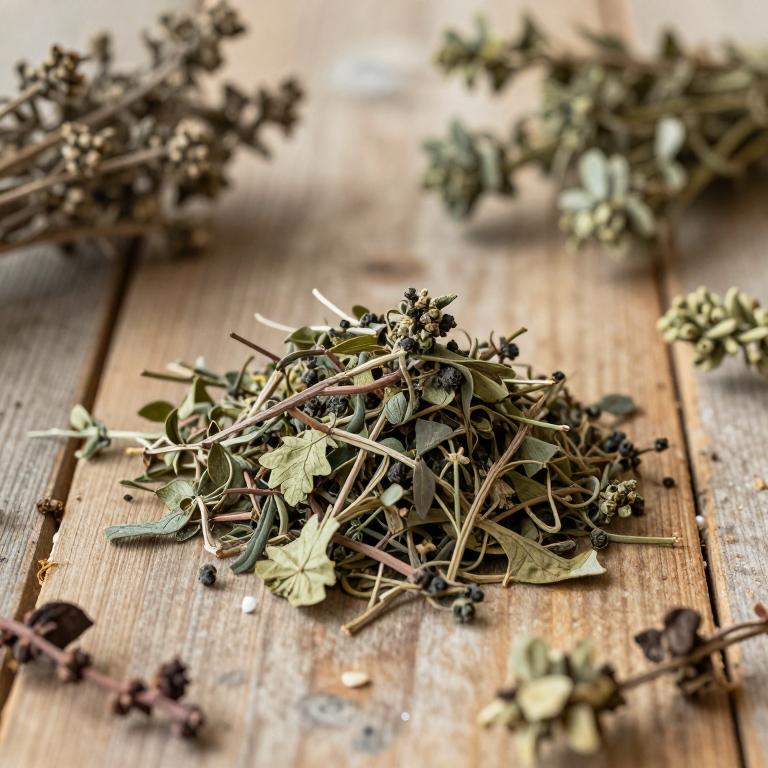
Frankenia is a unique genus of salt-tolerant plants that thrives in challenging coastal and saline environments. These resilient shrubs are known for their ability to endure harsh conditions that would wither most other vegetation. Within their biological makeup, they contain important chemical compounds such as fatty acids and flavonoids. These specific substances contribute to the plant's complex physiological functions and overall survival strategies. Understanding the chemical profile of Frankenia provides valuable insights into its remarkable adaptability to salty habitats.
- Synonyms
- Menetho · Niederleinia · 7 more
- Common names
- Not available
- Family
- Frankeniaceae
- Distribution
- Asia-Tropical
- Plant Parts
- Not available
Classification
Common Names
Frankenia is a unique genus of plants that is widely recognized by several different regional names. It is most commonly referred to as Sea Heath or Sea Heaths depending on the local botanical tradition. Some collectors may also encounter it using the variations frankeniaslekta or frankenior in specific literature. Additionally, the simplified name frankenie is occasionally used to describe these hardy coastal species. Regardless of which moniker is applied, these plants remain a distinctive feature of saline environments.
Sources: Catalogue of Life (COL)
Synonyms
Frankenia is a diverse genus that has historically been associated with several different botanical names. Throughout various taxonomic revisions, it has been identified by synonyms such as Anthobryum and Beatsonia. Researchers have also utilized the labels Franca and Hypericopsis when classifying certain species within this group. Additionally, the name Menetho has appeared in the literature as an alternative designation for these plants. Understanding these shifting relationships is essential for navigating the complex history of its scientific classification.
Sources: The World Checklist of Vascular Plants (WCVP)
Taxonomy
Frankenia belongs to the vast kingdom Plantae, representing a diverse group of multicellular organisms. Within this kingdom, it is classified under the class Equisetopsida, marking its place among the vascular plants. This specific lineage continues into the order Caryophyllales, which connects it to a wide variety of related flowering species. Further refinement of its biological identity places it within the family Frankeniaceae. Ultimately, this unique plant is defined by its membership in the genus Frankenia.
| Rank | Classification |
|---|---|
| Kingdom | Plantae |
| Phylum | Streptophyta |
| Class | Equisetopsida |
| Subclass | Magnoliidae |
| Order | Caryophyllales |
| Family | Frankeniaceae |
| Genus | Frankenia |
Sources: The World Checklist of Vascular Plants (WCVP)
Distribution
Geographic Regions
Frankenia exhibits a broad and fascinating distribution throughout the African continent and the Macaronesian region. Its presence is specifically noted across several island groups, including the Azores and the Canary Islands. The genus also thrives in the coastal environments of Cape Verde and the lush landscapes of Madeira. Furthermore, these plants can be found inhabiting the remote Selvagens archipelago. This wide geographic range highlights the remarkable adaptability of the genus across diverse Atlantic habitats.
Sources: The World Checklist of Vascular Plants (WCVP)
Identification
Biological Activities
Compounds
Frankenia species are halophyte plants that thrive in harsh, saline, and arid environments. To adapt to these challenging conditions, these plants produce a diverse array of bioactive chemical compounds. Scientific research has identified that the genus is a rich source of essential substances, including flavonoids and fatty acids. These phytochemical profiles contribute significantly to the plants' long history of use in traditional herbal medicines. Consequently, the presence of these specific compounds highlights the therapeutic potential of Frankenia for various medical applications.