Frangula
Frangula · Accepted scientific name
Scientific literature: Very Sparse (0 studies) · ★☆☆☆☆
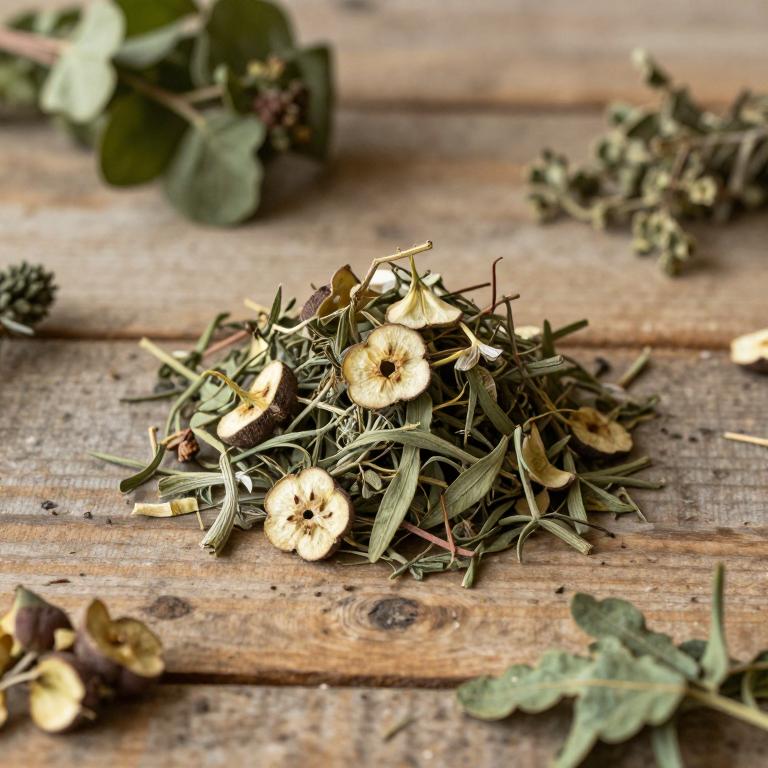
Frangula is a versatile genus of shrubs and trees known for their significant medicinal properties. These plants contain the active chemical compound pavine, which contributes to their biological effectiveness. When utilized in the form of botanical raw materials, they serve as a traditional remedy in various herbal practices. The primary therapeutic application of this plant is to address conditions of constipation. Understanding its chemical makeup and proper preparation is essential for its effective use in wellness.
- Synonyms
- Perfonon · Frangularia
- Common names
- Not available
- Family
- Rhamnaceae
- Distribution
- Africa
- Plant Parts
- Not available
Classification
Common Names
Frangula is a plant known by several different common names depending on the region and language. It is widely recognized as Buckthorn, though it is often distinguished from related genera such as Rhamnus and Hippophae. In certain contexts, it is specifically referred to as False-Buckthorn to avoid confusion with other species. Some botanical texts also list it under the name Bourdaines. Additionally, German linguistic influences have introduced the terms Faulbaum and Faulbäume to describe this versatile plant.
Sources: Catalogue of Life (COL)
Synonyms
Frangula is a genus of plants that is frequently identified through various botanical names in scientific literature. One common synonym used to describe this group is Frangularia, which may appear in older taxonomic records. Additionally, the name Perfonon serves as another recognized synonym for the genus. Understanding these linguistic connections is essential for researchers tracking the plant's classification history. Recognizing these overlapping terms ensures accuracy when navigating diverse botanical databases.
Sources: The World Checklist of Vascular Plants (WCVP)
Taxonomy
Frangula is a fascinating member of the kingdom Plantae that showcases the intricate diversity of the natural world. Belonging to the class Equisetopsida, this plant is defined by its specific evolutionary lineage and structural characteristics. It is categorized under the order Rosales, placing it within a significant group of flowering plants. Within this order, it is further classified into the family Rhamnaceae, which dictates many of its botanical traits. Ultimately, its identity is solidified by its classification under the genus Frangula.
| Rank | Classification |
|---|---|
| Kingdom | Plantae |
| Phylum | Streptophyta |
| Class | Equisetopsida |
| Subclass | Magnoliidae |
| Order | Rosales |
| Family | Rhamnaceae |
| Genus | Frangula |
Sources: The World Checklist of Vascular Plants (WCVP)
Distribution
Geographic Regions
Frangula exhibits a broad geographical presence, primarily spanning across various regions of Africa. Its distribution extends significantly into Macaronesia, including the specific island groups of the Azores, Madeira, and the Canary Islands. Within the African continent, the plant is notably established throughout Northern Africa. Detailed records confirm its presence in specific territories such as Algeria and Morocco. This widespread range highlights the plant's adaptability across diverse Mediterranean and Atlantic landscapes.
Sources: The World Checklist of Vascular Plants (WCVP)
Identification
Biological Activities
Compounds
Frangula is a notable plant species known for its complex profile of secondary metabolites. Research indicates that this genus contains several significant anthraquinone derivatives, specifically frangulin A, frangulin B, and emodin. Additionally, metabolomic profiling has identified the presence of the flavonoid pavine within the plant. These various chemical constituents contribute to the distinct metabolic fingerprint that characterizes the species. Such findings highlight the importance of studying Frangula's diverse chemical makeup for future pharmacological applications.
Conditions
Frangula serves as a notable botanical laxative used to address the symptoms of constipation. This plant is categorized alongside other common herbal medicines like senna and cascara for managing bowel disorders. By acting as a natural remedy, it offers a therapeutic alternative to traditional drugs for relief. Its application is particularly relevant given the global prevalence of constipation and its impact on quality of life. Consequently, frangula remains a key component in the study of botanical treatments for this condition.
Preparations
Frangula is prepared as botanical raw materials that contain hydroxyanthracene derivatives used for their laxative properties. These commercial materials are extracted with 60% methanol to facilitate comprehensive metabolomic profiling. Researchers utilize UPLC-HRMS/MS analysis to identify the diverse secondary metabolites present within these Frangula extracts. This specific preparation allows for the discovery of unique chemical features, such as pavine, through untargeted metabolomics. Analyzing Frangula in this raw form provides essential data regarding its biochemical divergence and overall pharmacological potential.