Fragaria
Fragaria · Accepted scientific name
Scientific literature: Very Sparse (0 studies) · ★☆☆☆☆
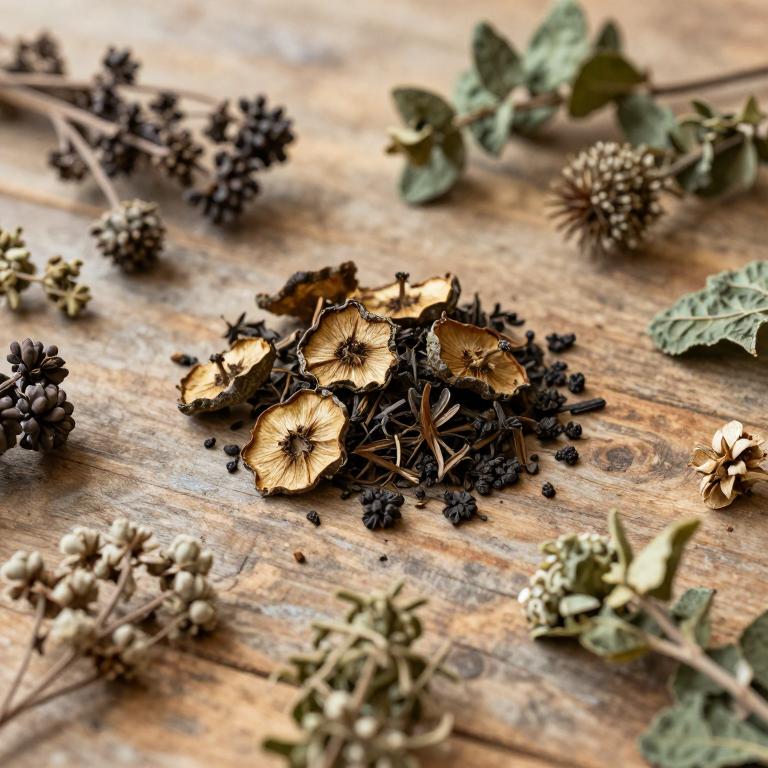
Fragaria, commonly known as the strawberry, is a beloved genus of flowering plants celebrated for its vibrant and delicious fruit. Beyond its culinary appeal, various parts of the plant can be utilized for medicinal and wellness purposes. One of the most soothing ways to enjoy this botanical is through the preparation of a warm, aromatic tea. By steeping the leaves or dried flowers, you can create a gentle infusion rich in subtle flavors. This herbal remedy offers a delightful way to incorporate the essence of Fragaria into your daily wellness routine.
- Synonyms
- Not available
- Common names
- Not available
- Family
- Rosaceae
- Distribution
- Not available
- Plant Parts
- Not available
Classification
Common Names
Fragaria is a versatile genus that is recognized by various regional and phonetic spellings across different cultures. Depending on the local dialect, this plant may be referred to by names such as Aarbei or Aarbeie. In other linguistic variations, it is commonly known as Aardbei or even the more unique Aerebezems. Some traditional contexts might also label the plant as Arbeera to distinguish its specific variety. These diverse naming conventions highlight the global presence and linguistic variety associated with this beloved fruit.
Sources: Catalogue of Life (COL)
Taxonomy
Fragaria is a fascinating member of the kingdom Plantae that showcases the diverse beauty of the natural world. Within this vast kingdom, the plant is classified under the class Equisetopsida, representing its fundamental biological structure. It belongs to the order Rosales, a group that connects it to many other significant flowering species. Further refinement places it within the family Rosaceae, where it shares botanical characteristics with many familiar garden plants. Ultimately, its identity is defined by its specific genus, Fragaria, which distinguishes this unique group of plants.
| Rank | Classification |
|---|---|
| Kingdom | Plantae |
| Phylum | Streptophyta |
| Class | Equisetopsida |
| Subclass | Magnoliidae |
| Order | Rosales |
| Family | Rosaceae |
| Genus | Fragaria |
Sources: The World Checklist of Vascular Plants (WCVP)
Distribution
Geographic Regions
Fragaria exhibits a diverse geographical range that spans several distinct regions across the African continent. Within East Tropical Africa, the genus can be found thriving in the landscapes of both Kenya and Tanzania. The distribution also extends westward to the Macaronesian islands, showcasing a notable presence in the Atlantic. Specifically, these plants inhabit the unique environments of the Azores, Madeira, and the Canary Islands. This wide-reaching dispersal highlights the adaptability of the genus across varied island and continental ecosystems.
Sources: The World Checklist of Vascular Plants (WCVP)
Identification
Biological Activities
Compounds
Conditions
Preparations
Fragaria is identified as one of the ten most frequently used plant taxa for making tea among respondents in Estonia. This specific genus belongs to the Rosaceae family, which was noted as one of the most popular families in the study. Within the research, Fragaria is categorized among the plants used for both recreational and medicinal purposes. The plant's inclusion in the list of top taxa highlights its significant role in the local tradition of tea preparation. Consequently, Fragaria serves as an example of a species situated on the continuum between recreational and medicinal tea use.