Foeniculum
Foeniculum · Accepted scientific name
Scientific literature: Very Sparse (2 studies) · ★☆☆☆☆
Foeniculum is a versatile botanical known for its distinct aromatic profile and significant medicinal properties. This plant is primarily utilized for its therapeutic activities, specifically acting as a potent diuretic and natriuretic agent. These functions help the body manage fluid balance by promoting the excretion of water and sodium through the renal system. To harness these health benefits effectively, the plant is commonly administered in the form of a concentrated extract. Understanding its chemical composition is essential for leveraging its natural capabilities in wellness applications.
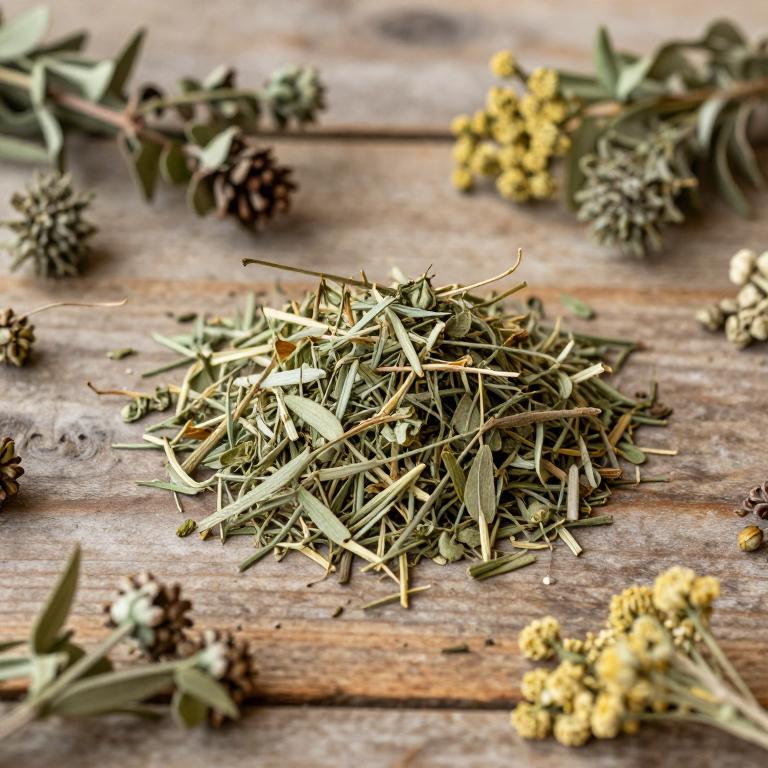
- Synonyms
- Ozodia
- Common names
- Not available
- Family
- Apiaceae
- Distribution
- Southern America
- Plant Parts
- Not available
Classification
Common Names
Foeniculum is a versatile plant known by many different names across various cultures and languages. It is frequently referred to by its common English name, fennel, though it also goes by the variation fenikel. In culinary circles, you might encounter it called finocchi or finocchio depending on the regional dialect. Some people also use the name apteegitill to identify this aromatic herb. Additionally, it is sometimes known as pankolis, reflecting the diverse terminology used to describe it.
Sources: Catalogue of Life (COL)
Synonyms
Foeniculum is a genus of flowering plants that is widely recognized for its aromatic foliage and culinary uses. Within botanical classifications, this plant is also frequently referred to by its synonym, Ozodia. Understanding these overlapping names is essential for researchers and gardeners seeking to identify the species accurately. This linguistic connection ensures that information regarding its growth habits remains consistent across different scientific texts. Recognizing both terms allows for a more seamless exploration of the plant's unique characteristics and ecological roles.
Sources: The World Checklist of Vascular Plants (WCVP)
Taxonomy
Foeniculum is a distinguished member of the kingdom Plantae, representing the diverse beauty of the botanical world. Within this vast kingdom, it is classified under the class Equisetopsida and belongs to the order Apiales. This botanical lineage continues into the family Apiaceae, where it shares characteristics with many other aromatic herbs. It is more specifically identified by its unique genus, Foeniculum, which defines its specific biological identity. Understanding these taxonomic relationships provides essential insight into the plant's evolutionary history and natural characteristics.
| Rank | Classification |
|---|---|
| Kingdom | Plantae |
| Phylum | Streptophyta |
| Class | Equisetopsida |
| Subclass | Magnoliidae |
| Order | Apiales |
| Family | Apiaceae |
| Genus | Foeniculum |
Sources: The World Checklist of Vascular Plants (WCVP)
Distribution
Geographic Regions
Foeniculum exhibits a diverse distribution pattern across various regions of the African continent. In East Tropical Africa, this plant can be found thriving within the landscapes of both Kenya and Tanzania. Its reach extends toward the Atlantic through the Macaronesian islands, establishing a presence in the Azores. Furthermore, the species is well-represented in the Canary Islands and the Cape Verde archipelago. This wide geographical range highlights the plant's ability to adapt to diverse island and mainland environments.
Sources: The World Checklist of Vascular Plants (WCVP)
Identification
Biological Activities
Foeniculum vulgare exhibits significant pharmacological properties that contribute to its ability to lower blood pressure in hypertensive subjects. Research indicates that this plant possesses distinct diuretic activity, which promotes the increased excretion of water. Furthermore, it demonstrates a notable natriuretic effect by stimulating the excretion of sodium. These combined actions help reduce systolic blood pressure specifically in spontaneously hypertensive rats. Ultimately, these findings suggest that the plant's hypotensive benefits are primarily mediated through these fluid and electrolyte regulation pathways.
Compounds
Conditions
Preparations
Foeniculum vulgare is prepared as a water extract to investigate its pharmacological properties. This specific extract was administered orally to both spontaneously hypertensive rats and normotensive Wistar-Kyoto rats. The study demonstrated that the Foeniculum extract successfully lowered systolic blood pressure in the hypertensive models. Furthermore, the treatment was found to increase the excretion of water, sodium, and potassium. These findings suggest that the Foeniculum extract functions primarily through diuretic and natriuretic pathways.