Fockea angustifolia
Fockea angustifolia · Accepted scientific name
Scientific literature: Very Sparse (2 studies) · ★☆☆☆☆
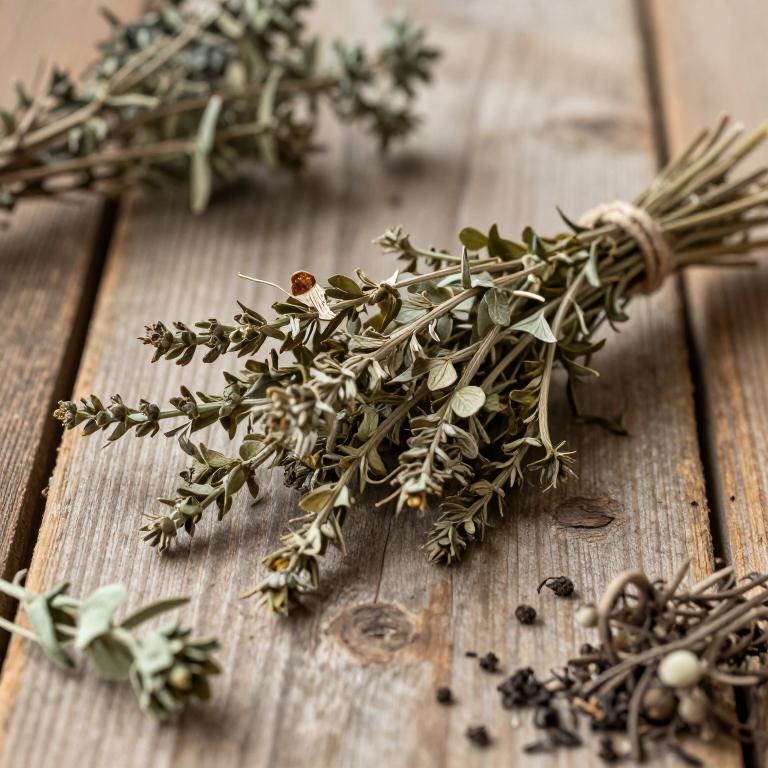
Fockea angustifolia, scientifically known as Fockea angustifolia, is a fascinating succulent climber native to the arid regions of Africa. Characterized by its tuberous stem and specialized climbing habits, this medicinal plant is traditionally valued in various cultures for its diverse pharmacological properties and potential therapeutic applications in holistic healing.
- Family
- Not available
- Native range
- Africa
- Parts used
- Root
- Common names
- Not available
- Scientific synonyms
- Not available
Names and Synonyms
Scientific Names
Accepted name
Fockea angustifoliaDistribution
This plant is primarily distributed across several key regions within the African continent. In East Tropical Africa, its presence is documented in Kenya and Tanzania. Moving toward the southern portion of the continent, it is also found in South Tropical Africa. Specifically, its range extends through the countries of Angola, Malawi, and Zambia. Consequently, the species occupies a diverse geographical stretch spanning from the east to the south.
| Region | Area |
|---|---|
| East Tropical Africa | Kenya |
| East Tropical Africa | Tanzania |
| South Tropical Africa | Angola |
| South Tropical Africa | Malawi |
| South Tropical Africa | Zambia |
| South Tropical Africa | Zimbabwe |
| Southern Africa | Botswana |
| Southern Africa | Cape Provinces |
| Southern Africa | Namibia |
| Southern Africa | KwaZulu-Natal |
Sources: The World Checklist of Vascular Plants (WCVP)
Botanical Identification
Ecology
The ecology of Fockea angustifolia is characterized by its specific niche within montane environments, where it thrives within a defined altitudinal belt. This species is primarily found in habitats situated at elevations ranging from a minimum of 800 m AMSL to a maximum of 1200 m AMSL. This mid-elevation distribution suggests an adaptation to specific microclimates, including particular temperature gradients and moisture availability patterns typical of these subtropical or tropical highland zones. The plant's presence within this 400-meter vertical range indicates a specialized ecological requirement for the environmental conditions found in these specific altitudinal strata.
- Elevational range max:
- 1200 m AMSL
- Elevational range min:
- 800 m AMSL
Life history
The life history of Fockea angustifolia is characterized by its status as a perennial organism, allowing it to persist in its natural habitat over multiple growing seasons. As a perennial, the plant undergoes complex developmental stages that enable it to endure seasonal variations, often utilizing specialized structures to store nutrients and water to sustain itself through periods of environmental stress. Its lifecycle involves continuous growth patterns where, rather than completing its life cycle in a single season, it establishes a lasting presence in the ecosystem, periodically engaging in reproductive phases to ensure the dispersal of its lineage. This long-term survival strategy is fundamental to its ability to occupy its specific ecological niche over extended durations.
- Lifecycle :
- perennial
Morphology
The morphology of Fockea angustifolia is characterized by a woody, shrub-like growth form that functions as an obligatory climber. As a terrestrial species, it does not exhibit aquatic or epiphytic tendencies and operates as an independent organism rather than a parasite. The plant's stature is variable, with a height ranging from a minimum of 0.3 m to a maximum of 2 m, maintaining an average height of approximately 1.5 m.
- Aquatic :
- terrestrial
- Climber :
- obligatory
- Epiphyte :
- terrestrial
- Growth form :
- shrub
- Parasite :
- independent
- Plant height max:
- 2 m
- Plant height mean:
- 1.5 m
- Plant height min:
- 0.3 m
- Woodiness :
- woody
Physiology
The physiology of Fockea angustifolia is characterized by specialized metabolic adaptations suited for arid or semi-arid environments, primarily focusing on water conservation and efficient nutrient uptake. As a member of the Apocynaceae family, its physiological processes are heavily influenced by its succulent nature, employing mechanisms to maintain turgor pressure and minimize transpirational water loss. In terms of its nutritional physiology and soil interactions, the plant does not function as a nitrogen fixer; it lacks the symbiotic relationship with diazotrophic bacteria, such as Rhizobium, required to convert atmospheric nitrogen into bioavailable forms. Consequently, its nitrogen acquisition is entirely dependent on the uptake of nitrates or ammonium present in the substrate through its root system. The plant's metabolic efficiency is further defined by its ability to manage osmotic potential, allowing it to survive fluctuating moisture levels while maintaining cellular integrity through the accumulation of compatible solutes.
- Nitrogen fixer :
- no
Reproduction
Reproduction in Fockea angustifolia is characterized by a distinct reproductive strategy where self-fertilization is absent. The plant relies on cross-pollination mechanisms to ensure genetic diversity, typically involving specialized insect pollinators that facilitate the transfer of pollen between different individual plants. This absence of self-fertilization indicates a high degree of outcrossing, which is a critical biological trait for the species' evolutionary success and the maintenance of its genetic variability within its natural habitat.
- Self fertilization :
- absent
Sources: Global Inventory of Floras and Traits (GIFT)
Plant Parts
Fockea angustifolia has 1 reported plant parts identified across 1 scientific publications and several other databases that are studied for medicinal purposes. The most consistently reported plant part include root.
| Plant part | Supporting sources | Consensus |
|---|---|---|
| Root | 1 supporting sources | ★☆☆☆☆ |
Root
- Frontiers in veterinary science
Conditions
Fockea angustifolia has 1 reported investigations on conditions identified across 1 scientific publications and several other databases. The most consistently reported conditions include anthrax.
| Condition | Supporting sources | Consensus |
|---|---|---|
| Anthrax | 1 supporting sources | ★☆☆☆☆ |
Anthrax
- Frontiers in veterinary science