Flourensia retinophylla
Flourensia retinophylla · Accepted scientific name
Scientific literature: Very Sparse (1 studies) · ★☆☆☆☆
Flourensia retinophylla is a medicinal plant that has gained significant scientific interest due to its diverse therapeutic potential. Recent pharmacological investigations have focused on exploring its robust antimicrobial activities against various pathogens. Specifically, studies have evaluated its efficacy in inhibiting the growth of the common bacterium Staphylococcus aureus. To achieve these results, researchers utilized an ethanolic extract to isolate its potent bioactive compounds. Understanding these properties is essential for developing new natural treatments to combat bacterial resistance.
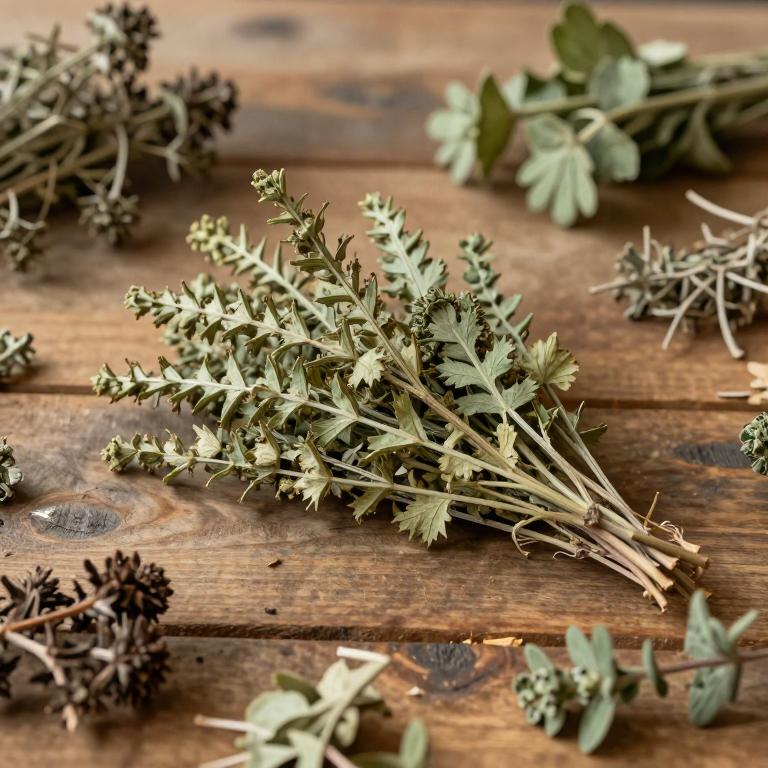
- Synonyms
- Not available
- Common names
- Not available
- Family
- Asteraceae
- Distribution
- Not available
- Plant Parts
- Not available
Classification
Taxonomy
Flourensia retinophylla is a specialized organism belonging to the vast kingdom Plantae. Within this kingdom, it is classified under the class Equisetopsida, showcasing its fundamental botanical structure. The plant is a member of the order Asterales, which connects it to a diverse group of flowering species. It further finds its place within the widely recognized family Asteraceae. Ultimately, this species is defined by its membership in the specific genus Flourensia.
| Rank | Classification |
|---|---|
| Kingdom | Plantae |
| Phylum | Streptophyta |
| Class | Equisetopsida |
| Subclass | Magnoliidae |
| Order | Asterales |
| Family | Asteraceae |
| Genus | Flourensia |
Sources: The World Checklist of Vascular Plants (WCVP)
Distribution
Geographic Regions
Flourensia retinophylla is a resilient plant species primarily found throughout the vast landscapes of North America. Its natural distribution extends significantly into Mexico, where it thrives in various environmental conditions. Within the country, it is particularly prevalent across the northeastern regions of Mexico. This geographic range highlights the plant's ability to adapt to specific regional climates. Understanding these locations is essential for studying the ecological role this species plays in its native habitats.
Sources: The World Checklist of Vascular Plants (WCVP)
Identification
Biological Activities
Flourensia retinophylla has demonstrated significant antimicrobial activity, specifically targeting the clinically impactful pathogen Staphylococcus aureus. Research indicates that an ethanolic extract of this medicinal plant can both inhibit and kill these Gram-positive bacteria. The extract works by disrupting the bacterial membrane and significantly reducing the motility required for infection spread. Furthermore, the plant shows a remarkable ability to prevent the formation of bacterial biofilms and reduce the metabolic activity of preformed ones. These findings suggest that the species could serve as a valuable natural alternative for developing new antimicrobial and disinfectant therapies.
Compounds
Conditions
Flourensia retinophylla demonstrates significant antimicrobial potential by treating Staphylococcus aureus through both inhibitory and bactericidal actions. The ethanolic extract of this medicinal plant specifically targets the bacteria by altering its membrane surface charge and inducing potassium leakage. Beyond direct bacterial combat, Flourensia retinophylla effectively treats bacterial biofilms by preventing their formation. It reduces biofilm biomass and metabolic activity by more than 80% when applied to developing colonies. Furthermore, higher concentrations of the extract can successfully reduce the metabolic activity and viability of already preformed biofilms.
Preparations
Flourensia retinophylla is prepared as an ethanolic extract to facilitate its medicinal application. This specific preparation method was utilized to analyze the plant's potential against Staphylococcus aureus. By using the ethanolic extract, researchers were able to determine the plant's antimicrobial and antibiofilm properties. The resulting extract demonstrated significant inhibitory and bactericidal activity against the targeted bacteria. Consequently, this prepared form of the plant shows promise for future antimicrobial and disinfectant therapies.