Fissistigma tungfangense
Fissistigma tungfangense · Accepted scientific name
Scientific literature: Very Sparse (0 studies) · ★☆☆☆☆
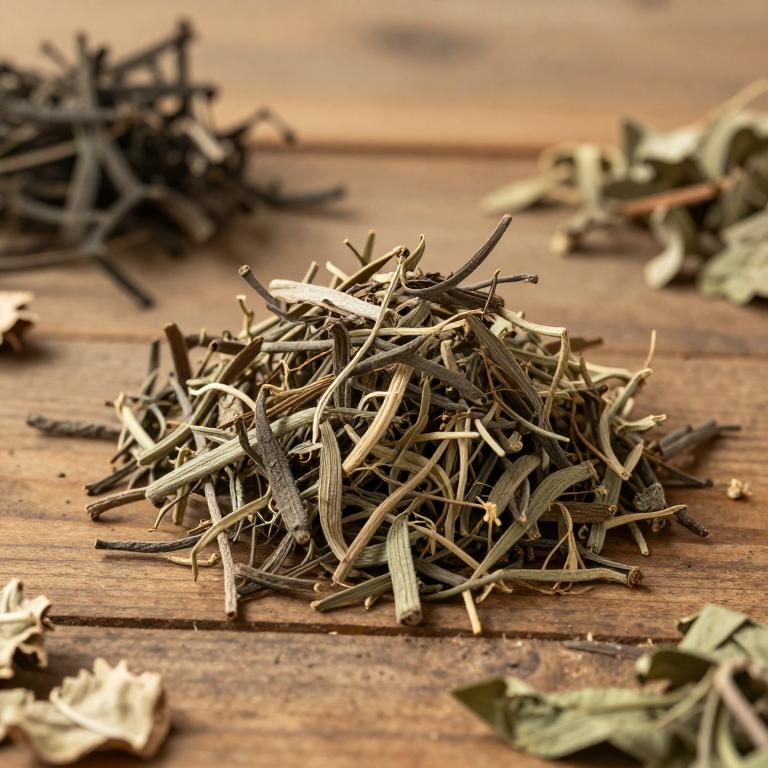
Fissistigma tungfangense is a distinctive climbing species recognized for its unique botanical characteristics. A defining feature of this plant is its specialized stem, which allows it to navigate through dense tropical vegetation. This climbing mechanism ensures the plant can reach sunlight efficiently within its natural habitat. Understanding the structure of the stem is essential for identifying the growth habits of this specific climber. Through its robust development, the plant demonstrates remarkable adaptability to its environment.
- Synonyms
- Not available
- Common names
- Not available
- Family
- Annonaceae
- Distribution
- Not available
- Plant Parts
- Stem
Classification
Common Names
Fissistigma tungfangense is a unique plant species recognized by its distinctive local identifiers. It is widely known by the common name dong fang gua fu mu in various regional contexts. This identity is further reflected in its Chinese designation, 东方瓜馥木, which captures its cultural essence. Understanding these naming conventions helps researchers and enthusiasts connect with the plant's heritage. Such linguistic connections provide a deeper insight into the botanical significance of this remarkable species.
Sources: Catalogue of Life (COL)
Taxonomy
Fissistigma tungfangense is a unique botanical specimen belonging to the kingdom Plantae. Within this vast kingdom, it is specifically classified under the class Equisetopsida. This plant further belongs to the order Magnoliales, showcasing its evolutionary lineage. It is a member of the diverse family Annonaceae, which contains many notable tropical species. Ultimately, it is identified by its specific genus, Fissistigma, marking its distinct place in the natural world.
| Rank | Classification |
|---|---|
| Kingdom | Plantae |
| Phylum | Streptophyta |
| Class | Equisetopsida |
| Subclass | Magnoliidae |
| Order | Magnoliales |
| Family | Annonaceae |
| Genus | Fissistigma |
Sources: The World Checklist of Vascular Plants (WCVP)
Distribution
Geographic Regions
Fissistigma tungfangense is a distinct botanical species with a specialized geographic range. This plant is primarily found within the Asia-Temperate region, where it thrives in specific ecological niches. More specifically, its distribution is concentrated within the diverse landscapes of China. Within this country, the Hainan province serves as a key habitat for the species. Understanding these precise locations is essential for researchers studying its natural environment.
Sources: The World Checklist of Vascular Plants (WCVP)
Identification
Morphology
Fissistigma tungfangense is a shrubby species characterized by its distinct growth form. Unlike many of its climbing relatives, this plant is entirely self-supporting.
Sources: Global Inventory of Floras and Traits (GIFT)
Biological Activities
Compounds
Conditions
Fissistigma tungfangense contains bioactive compounds that demonstrate significant inhibitory effects against various cancer cell lines. Specifically, derivatives from this plant treat A549, HeLa, and MCF-7 cells through moderate inhibitory activity. Beyond oncology, the plant also exhibits promising anti-rheumatoid arthritis activities. Research indicates that these components exert anti-proliferative effects on synoviocytes in vitro. Collectively, these findings highlight the medicinal potential of Fissistigma tungfangense in treating both cancer and inflammatory conditions.
Preparations
Parts used
Fissistigma tungfangense serves as a significant source of diverse bioactive secondary metabolites. Scientific investigations have successfully isolated several unique compounds specifically from the stems of this plant species. These include the novel morphinandienone alkaloid fissistigmine A and the newly identified flavonoids fissistiganoids A and B. Beyond their chemical novelty, these stem-derived substances have demonstrated promising biological potential in various assays. Specifically, the extracts have shown inhibitory effects against cancer cell lines and anti-proliferative activity against synoviocytes.