Filipendula
Filipendula · Accepted scientific name
Scientific literature: Very Sparse (2 studies) · ★☆☆☆☆
, scientifically known as Filipendula, is a genus of flowering plants within the Rosaceae family. Renowned in traditional medicine, particularly in Asia, these shrubs and small trees offer various therapeutic properties. They are often studied for their antioxidant potential and their ability to support digestive and overall systemic health.
- Family
- Not available
- Native range
- Europe
- Parts used
- Flower · Leaf
- Common names
- Not available
- Scientific synonyms
- Not available
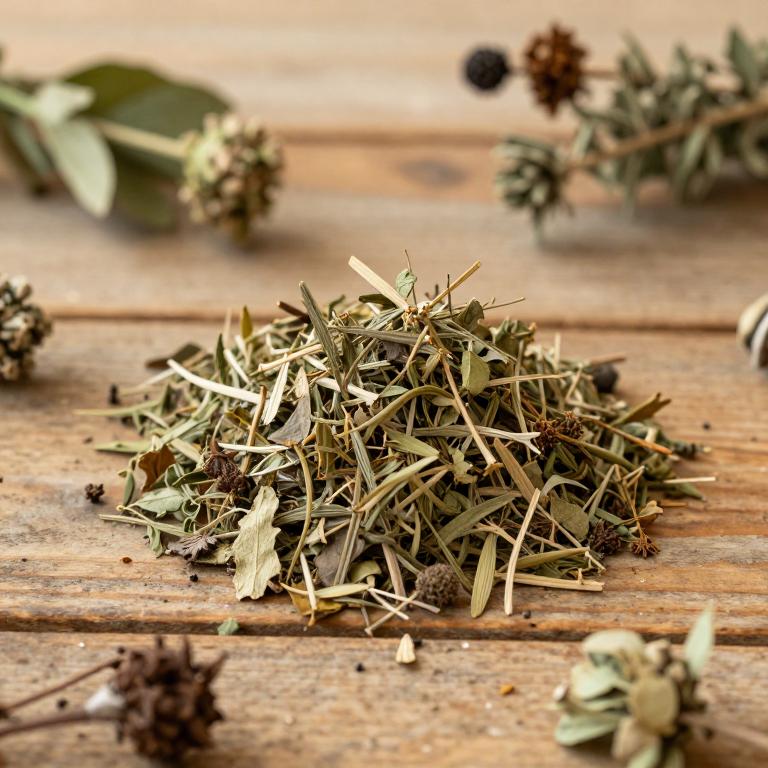
Names and Synonyms
Scientific Names
Accepted name
FilipendulaDistribution
This plant exhibits a specific presence across several regions within Northern Europe. It can be found growing in the landscapes of Denmark and Finland. Additionally, its distribution extends to the islands of Great Britain and Ireland. The species also reaches the remote, northern terrain of Iceland. Together, these locations define its current geographical range in the northern part of the continent.
| Region | Area |
|---|---|
| Northern Europe | Denmark |
| Northern Europe | Finland |
| Northern Europe | Great Britain |
| Northern Europe | Iceland |
| Northern Europe | Ireland |
| Northern Europe | Norway |
| Northern Europe | Sweden |
| Middle Europe | Austria |
| Middle Europe | Belgium |
| Middle Europe | Czechia-Slovakia |
Sources: The World Checklist of Vascular Plants (WCVP)
Plant Parts
Filipendula has 2 reported plant parts identified across 2 scientific publications and several other databases that are studied for medicinal purposes. The most consistently reported plant part include flower, leaf.
| Plant part | Supporting sources | Consensus |
|---|---|---|
| Flower | 1 supporting sources | ★☆☆☆☆ |
| Leaf | 1 supporting sources | ★☆☆☆☆ |
Flower
- Molecules (Basel, Switzerland)
Leaf
- Molecules (Basel, Switzerland)