Ficus ulmifolia
Ficus ulmifolia · Accepted scientific name
Scientific literature: Very Sparse (1 studies) · ★☆☆☆☆
Ficus ulmifolia is a botanical species that has garnered significant scientific interest due to its diverse therapeutic potential. Research indicates that both the fruit and leaves of this plant contain bioactive compounds capable of addressing various health concerns. Specifically, ethanolic and methanolic leaf extracts have demonstrated notable antihyperglycemic activities and the ability to induce apoptosis. Furthermore, the plant shows promise in managing infections caused by Plasmodium falciparum and supporting the natural process of wound healing. This makes Ficus ulmifolia a compelling subject for ongoing pharmacological studies.
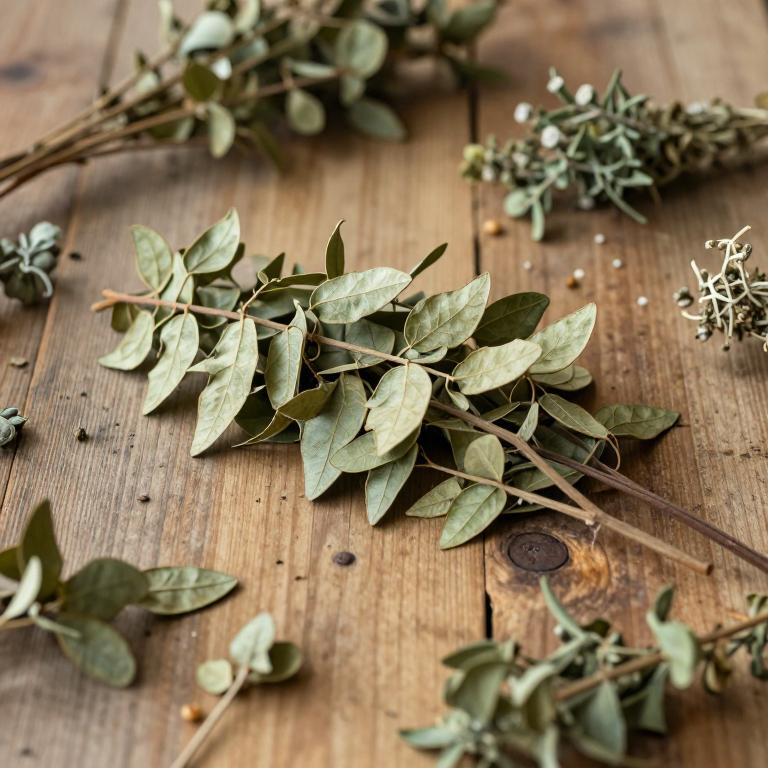
- Synonyms
- Ficus Velascoi · Ficus Hispida Var. Hastata · 9 more
- Common names
- Not available
- Family
- Moraceae
- Distribution
- Not available
- Plant Parts
- Fruit · Leaf
Classification
Common Names
Ficus ulmifolia is a versatile species known by a diverse array of regional names. Depending on the local area, it is frequently referred to as Agupit or Alasas. In other communities, people may identify the plant as Apulas or Asis. Additionally, the name Hagupit is also commonly used to describe this particular tree. These various monikers highlight the deep cultural and linguistic connections surrounding the species.
Sources: Catalogue of Life (COL)
Synonyms
Ficus ulmifolia is a botanical entity known by several different scientific names within various taxonomic records. It is formally recognized by the synonym Covellia ulmifolia, reflecting its diverse classification history. Researchers also frequently encounter this species listed as Ficus blepharostoma or Ficus difformis in older literature. Furthermore, the plant encompasses specific variations such as Ficus hispida var. hastata and Ficus hispida var. linearis. Understanding these overlapping synonyms is essential for accurate identification and consistent botanical study.
Sources: The World Checklist of Vascular Plants (WCVP)
Taxonomy
Ficus ulmifolia belongs to the vast kingdom Plantae, representing a diverse group of multicellular organisms. Within this kingdom, the plant is classified under the class Equisetopsida, showcasing its fundamental structural characteristics. It is further organized into the order Rosales, which helps botanists understand its evolutionary lineage. As a member of the genus Ficus, it shares close genetic ties with many other well-known fig species. Finally, this plant is categorized within the Moraceae family, highlighting its specific biological relationships and traits.
| Rank | Classification |
|---|---|
| Kingdom | Plantae |
| Phylum | Streptophyta |
| Class | Equisetopsida |
| Subclass | Magnoliidae |
| Order | Rosales |
| Family | Moraceae |
| Genus | Ficus |
Sources: The World Checklist of Vascular Plants (WCVP)
Distribution
Geographic Regions
Ficus ulmifolia is a distinctive species primarily distributed throughout the tropical regions of Asia. Its presence is particularly notable within the Malesia botanical zone, where it thrives in humid environments. Within this expansive range, the Philippines serves as a key location for observing its natural growth. This distribution pattern highlights the plant's adaptation to specific equatorial climates across the archipelago. Understanding these geographical connections provides essential insight into the ecological niche this species occupies.
Sources: The World Checklist of Vascular Plants (WCVP)
Identification
Morphology
Ficus ulmifolia is a self-supporting plant that typically adopts a shrub-like growth form. It reaches a maximum height of approximately 4 meters as it matures. This sturdy structure allows it to maintain a stable presence within its natural habitat.
Sources: Global Inventory of Floras and Traits (GIFT)
Biological Activities
Ficus ulmifolia is often studied alongside other medicinal plants to uncover their potential therapeutic benefits for metabolic health. Based on research into similar species like Ficus hispida, there is a significant interest in identifying plants with strong antihyperglycemic properties. Scientific investigations have demonstrated that methanolic extracts from certain edible fruit plants can effectively reduce serum glucose levels in animal models. Such studies provide essential validation for the folk medicinal practices used to treat diabetes in various regions. Ultimately, identifying these natural antihyperglycemic activities offers promising avenues for the development of new diabetes management strategies.
Compounds
Conditions
Ficus ulmifolia possesses various medicinal properties, including the ability to treat Plasmodium falciparum and manage Type 2 diabetes mellitus (T2DM). The plant exhibits significant antiproliferative effects, which are essential for combating certain disease processes. Furthermore, it functions by inducing apoptosis within targeted cells. This apoptotic action is a key mechanism in its therapeutic potential.
Preparations
Ficus ulmifolia is prepared as ethanolic leaf extracts for medicinal study. It is also prepared as methanolic leaf extracts to investigate its biological properties. These two specific preparation methods involve using different solvents to derive compounds from the plant's foliage. Both the ethanolic and methanolic versions serve as distinct formulations of the species. Consequently, these extraction processes are central to characterizing the plant's chemical profile.
Parts used
Ficus ulmifolia is a plant species characterized by its diverse morphological features, including both fruit and leaf components. While the provided research specifically investigates the medicinal properties of the related species Ficus hispida, it underscores the importance of examining various plant parts for therapeutic potential. In Ficus hispida, the fruits have demonstrated significant promise in treating Type 2 diabetes through glucose absorption inhibition. Additionally, the leaves of this genus have shown robust antiplasmodial activity against Plasmodium falciparum with minimal toxicity. Understanding these botanical relationships and part-specific functions is essential for the ongoing development of plant-based medicinal agents.