Ficus recurvata
Ficus recurvata · Accepted scientific name
Scientific literature: Very Sparse (0 studies) · ★☆☆☆☆
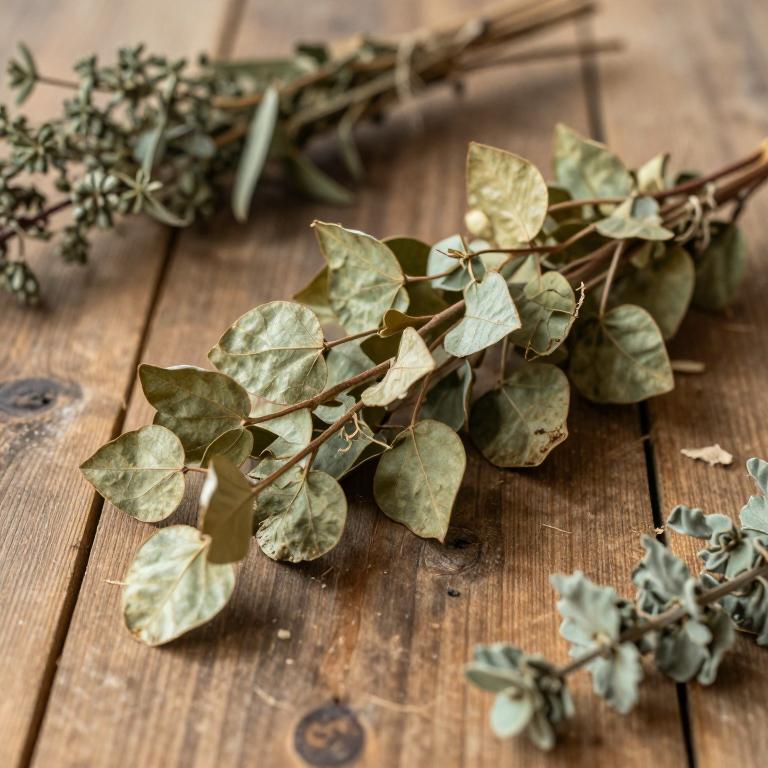
Ficus recurvata is a fascinating plant known for its distinctive climbing habit and resilient structure. The plant features lush, glossy leaves and sturdy stems that allow it to cling effectively to various surfaces. Beyond its ornamental appeal, different parts of the species are utilized in various botanical applications. Specifically, the plant can be processed to produce valuable essential oils. Understanding its botanical characteristics offers a deeper appreciation for this versatile species.
- Synonyms
- Ficus Goliath · Ficus Golungensis · 1 more
- Common names
- Not available
- Family
- Moraceae
- Distribution
- Not available
- Plant Parts
- Leaf · Stem
Classification
Synonyms
Ficus recurvata is a species that is frequently identified through various botanical synonyms in scientific literature. It is recognized under the name Ficus bussei var. longipetiolata, reflecting specific morphological variations. Additionally, researchers sometimes refer to this plant as Ficus goliath within certain taxonomic contexts. The species is also associated with the synonym Ficus golungensis, which can lead to confusion for novice botanists. Understanding these diverse nomenclatural relationships is essential for accurate plant identification and study.
Sources: The World Checklist of Vascular Plants (WCVP)
Taxonomy
Ficus recurvata belongs to the diverse kingdom Plantae, representing a unique branch of the natural world. Within this vast kingdom, the species is classified under the class Equisetopsida. It further falls into the order Rosales, a group that connects it to many other significant plant lineages. As a member of the genus Ficus, it shares close botanical ties with many well-known fig species. Finally, its specific placement within the family Moraceae highlights its distinct morphological characteristics and evolutionary history.
| Rank | Classification |
|---|---|
| Kingdom | Plantae |
| Phylum | Streptophyta |
| Class | Equisetopsida |
| Subclass | Magnoliidae |
| Order | Rosales |
| Family | Moraceae |
| Genus | Ficus |
Sources: The World Checklist of Vascular Plants (WCVP)
Distribution
Geographic Regions
Ficus recurvata is a resilient species primarily distributed across the diverse landscapes of the African continent. Its presence spans from the southern reaches of Angola into the lush environments of South Tropical Africa. In the western regions, the plant is commonly found throughout the Ivory Coast and Nigeria. Its habitat further extends into West-Central Tropical Africa, specifically within the borders of Cameroon. Finally, the species establishes itself within the Central African Republic, completing its broad geographical range.
Sources: The World Checklist of Vascular Plants (WCVP)
Identification
Morphology
Ficus recurvata is a robust species characterized by its distinctive tree growth form. This plant is entirely self-supporting, allowing it to stand firmly within its natural habitat. While it can reach a height of approximately 30.48 meters, some specimens are capable of growing even larger. Ultimately, these impressive trees can achieve a maximum height of up to 35 meters.
Sources: Global Inventory of Floras and Traits (GIFT)
Biological Activities
Compounds
Conditions
Ficus recurvata essential oils have been investigated for their potential role in cancer therapy through their ability to inhibit BCL-2. Research conducted using an in silico approach identified several bioactive compounds within the plant's leaves and stem bark. Molecular docking simulations highlighted phenanthrene, epi-α-Muurolol, and 1-bisabolone as key molecules with strong binding affinities for therapeutic targeting. Furthermore, ADMET profiling indicated that these components possess favorable pharmacokinetic properties, such as high intestinal absorption and low toxicity. These findings suggest that Ficus recurvata serves as a promising source of compounds for the development of BCL-2-targeted cancer treatments.
Preparations
Ficus recurvata is prepared as essential oils through the process of hydro-distillation using a Clevenger apparatus. Researchers extracted these oils specifically from both the leaves and the stem bark of the plant. Chemical analysis identified 26 distinct compounds within the leaf oil and 27 within the stem bark oil. These extracted essential oils serve as rich sources of bioactive molecules, including oxygenated sesquiterpenes and apocarotenes. The study highlights these prepared oils as potential candidates for BCL-2-targeted therapeutic development in cancer therapy.
Parts used
Ficus recurvata serves as a significant subject of study due to the bioactive potential found within its various anatomical structures. Researchers have specifically focused on extracting essential oils from the plant's leaf to identify anticancer compounds. Additionally, the stem bark of the species provides a valuable source of chemical constituents for therapeutic investigation. By analyzing both the leaf and the stem components, scientists can better understand the plant's complex chemical profile. These findings highlight how different parts of Ficus recurvata contribute to its overall medicinal value in cancer therapy development.