Ficus oleifolia subsp. intermedia
Ficus oleifolia subsp. intermedia · Accepted scientific name
Scientific literature: Very Sparse (0 studies) · ★☆☆☆☆
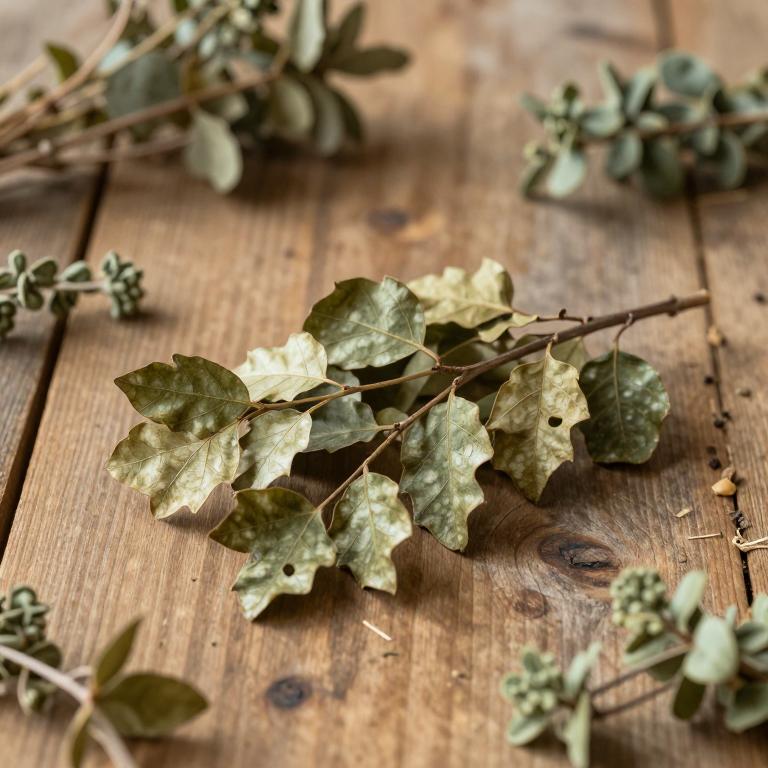
Ficus oleifolia subsp. intermedia is a distinctive botanical specimen recognized for its unique morphological characteristics. This specific subspecies is frequently studied for its diverse chemical profile and potential bioactive properties. Researchers often focus on the development of specialized extracts derived from various parts of the plant. These preparations serve as a foundation for exploring new applications in both scientific and traditional contexts. Understanding the composition of these extracts is essential for unlocking the full therapeutic potential of this species.
- Synonyms
- Ficus Kinabaluensis · Ficus Deltoidea Var. Intermedia · 2 more
- Common names
- Not available
- Family
- Moraceae
- Distribution
- Southern America
- Plant Parts
- Not available
Classification
Synonyms
Ficus oleifolia subsp. intermedia is a complex taxon that has been identified by several different scientific names throughout botanical history. This particular subspecies is recognized as a synonym for Ficus burkillii, reflecting its close taxonomic ties. It is also closely linked to Ficus deltoidea var. intermedia and Ficus deltoidea var. kinabaluensis. Furthermore, researchers have historically classified this plant under the name Ficus kinabaluensis. Understanding these overlapping nomenclature relationships is essential for accurate identification in diverse botanical studies.
Sources: The World Checklist of Vascular Plants (WCVP)
Taxonomy
Ficus oleifolia subsp. intermedia belongs to the vast kingdom Plantae, representing a diverse branch of the living world. Within this kingdom, it is classified under the class Equisetopsida and the order Rosales. This botanical specimen is a member of the Moraceae family, a group known for many significant tropical species. It is further identified by its specific genus, Ficus, which connects it to a wide array of well-known fig trees. Through these biological layers, its precise taxonomic identity is clearly established.
| Rank | Classification |
|---|---|
| Kingdom | Plantae |
| Phylum | Streptophyta |
| Class | Equisetopsida |
| Subclass | Magnoliidae |
| Order | Rosales |
| Family | Moraceae |
| Genus | Ficus |
Sources: The World Checklist of Vascular Plants (WCVP)
Distribution
Geographic Regions
Ficus oleifolia subsp. intermedia is a notable botanical species with a broad distribution across the tropical regions of Asia. Its presence is well-documented throughout Indo-China, including specific territories within Thailand. The plant also extends its range into the Malesia region, where it can be found across the island of Borneo. Furthermore, its habitat encompasses parts of Malaya, contributing to its diverse ecological footprint. This widespread occurrence highlights the plant's ability to thrive in various tropical environments throughout the continent.
Sources: The World Checklist of Vascular Plants (WCVP)
Identification
Biological Activities
Compounds
Conditions
Ficus oleifolia subsp. intermedia, identified in the research as Ficus deltoidea var. intermedia, demonstrates specific toxic properties when tested at certain concentrations. The study utilized viability assays to determine the cytotoxic effects of standardized methanolic extracts from various varieties. Specifically, this particular variety was found to be toxic at dosages of 500 and 1000 μg/ml. This toxicity was a significant finding in the assessment of the plant's potential as an antidiabetic agent. Consequently, the research highlights how the concentration of this subspecies directly influences its cellular toxicity.
Preparations
Ficus oleifolia subsp. intermedia is prepared as extracts to investigate its potential biological properties. In the context of the research, standardized methanolic extracts of this specific variety were evaluated for their effects on cell viability. The study identified that these extracts exhibit toxicity at concentrations of 500 and 1000 μg/ml. This specific preparation allows for the assessment of how different varieties of the plant interact with biological cell lines. Consequently, the use of these extracts serves as a critical component in determining the medicinal potential of the species.