Natal fig
Ficus natalensis · Accepted scientific name
Scientific literature: Very Sparse (2 studies) · ★☆☆☆☆
Natal fig, scientifically known as Ficus natalensis, is a versatile medicinal plant native to tropical Africa. Renowned for its diverse therapeutic properties, it is traditionally utilized to treat various ailments, including skin infections, digestive issues, and inflammatory conditions. Its leaves, bark, and sap offer significant pharmacological potential in herbal medicine.
- Family
- Moraceae
- Native range
- Africa
- Parts used
- Not available
- Common names
- Natal Fig
- Scientific synonyms
- Not available
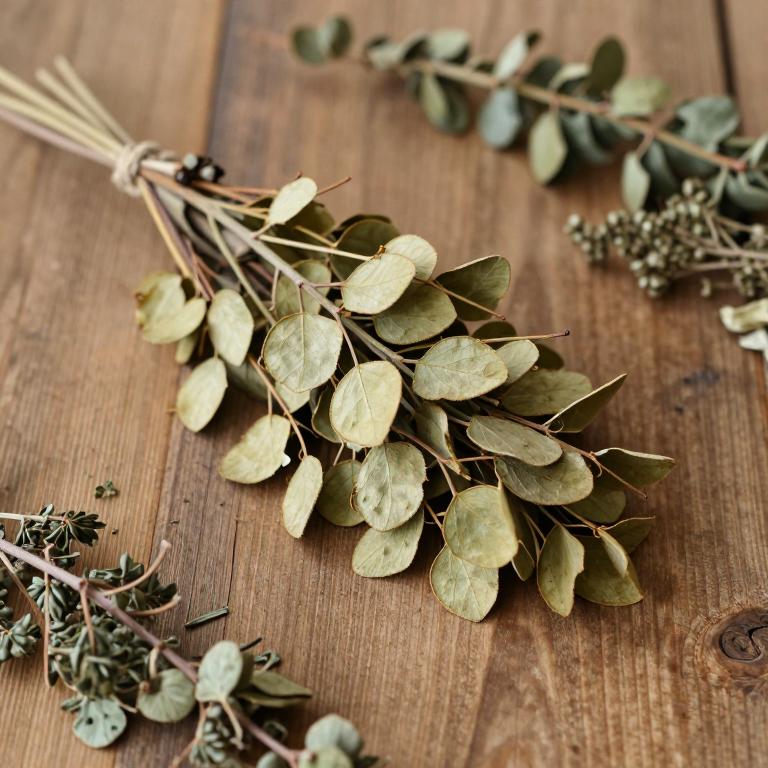
Names and Synonyms
Common Names
- Natal fig
Scientific Names
Accepted name
Ficus natalensisRegional and Traditional Names
German:
- Natal-Feige
French:
- Figuier de Natal
Sources: Wikidata, Catalogue of Life
Taxonomical Classification
This plant belongs to the kingdom Plantae within the phylum Streptophyta and the class Equisetopsida. Classified under the subclass Magnoliidae and the order Rosales, it is a member of the family Moraceae. Specifically, Ficus natalensis is categorized under the genus Ficus.
| Rank | Classification |
|---|---|
| Kingdom | Plantae |
| Phylum | Streptophyta |
| Class | Equisetopsida |
| Subclass | Magnoliidae |
| Order | Rosales |
| Family | Moraceae |
| Genus | Ficus |
Sources: The World Checklist of Vascular Plants (WCVP)
Distribution
This plant is found within the diverse landscapes of West Tropical Africa. Its presence is specifically documented in the country of Benin. Additionally, it can be located throughout the territory of Burkina. The species also extends its reach into Ghana and Guinea-Bissau. Finally, its geographical distribution includes the nation of Guinea.
| Region | Area |
|---|---|
| West Tropical Africa | Benin |
| West Tropical Africa | Burkina |
| West Tropical Africa | Ghana |
| West Tropical Africa | Guinea-Bissau |
| West Tropical Africa | Guinea |
| West Tropical Africa | Ivory Coast |
| West Tropical Africa | Liberia |
| West Tropical Africa | Mali |
| West Tropical Africa | Nigeria |
| West Tropical Africa | Senegal |
Sources: The World Checklist of Vascular Plants (WCVP)
Botanical Identification
Ecology
The ecology of Ficus natalensis is characterized by its presence in diverse vegetated environments, primarily thriving within forests, groundwater and riverine forests, and woodlands. It occupies a broad altitudinal gradient, establishing itself at elevations ranging from a minimum of 15 m AMSL to a maximum of 1250 m AMSL.
- Elevational range max:
- 1250 m AMSL
- Elevational range min:
- 15 m AMSL
- Habitat :
- forest, groundwater and riverine forest, woodland
Life history
The life history of Ficus natalensis is characterized by its status as a perennial organism, ensuring long-term survival and stability within its ecological niche. As a phanerophyte, the plant maintains its photosynthetic organs at a significant height above the ground, typically developing into a robust woody structure that allows it to dominate its environment. This phanerophyte life form is further categorized by its growth habit, where the regenerative buds are located high on the stem, protected from various environmental stressors, facilitating a continuous and enduring lifecycle.
- Life form :
- phanerophyte
- Lifecycle :
- perennial
Morphology
The morphology of Ficus natalensis is characterized by its robust growth form, primarily existing as a woody tree. As a terrestrial species, it functions as an independent organism without parasitic tendencies. The plant exhibits significant vertical development, with a height that can range from a minimum of 2 meters to a maximum of 30 meters, maintaining an average height of approximately 19.33 meters. In terms of structural support, it is categorized as a self-supporting plant rather than a climber or vine. Its lifecycle and ecological positioning are strictly terrestrial, lacking aquatic or epiphytic tendencies such as hemiepiphytic growth.
- Aquatic :
- terrestrial
- Climber :
- self-supporting
- Epiphyte :
- terrestrial
- Growth form :
- tree
- Parasite :
- independent
- Plant height max:
- 30 m
- Plant height mean:
- 19.3333333333333 m
- Plant height min:
- 2 m
- Woodiness :
- woody
Physiology
The physiology of Ficus natalensis is characterized by a C3 photosynthetic pathway, which dictates its carbon fixation processes and metabolic efficiency in typical environmental conditions. The plant exhibits a relatively low leaf thickness, with a mean value of 0.036 mm, reflecting specific structural adaptations in its foliar anatomy. Furthermore, Ficus natalensis does not function as a nitrogen fixer, meaning it relies on the uptake of available nitrogen from the soil rather than through symbiotic biological nitrogen fixation.
- Leaf thickness mean:
- 0.036 mm
- Nitrogen fixer :
- no
- Photosynthetic pathway :
- C3
Reproduction
The reproduction of Ficus natalensis is characterized by a complex biological process involving biotic pollination and specialized dispersal mechanisms. The pollination syndrome is primarily biotic, relying on insects to facilitate the transfer of pollen. The plant exhibits a highly variable fruiting period, with the capacity to produce fruit during any month of the year, from January through December. The resulting fruits are fleshy in texture and categorized under a specialized fruit type. Dispersal is achieved through a zoochorous syndrome, specifically via endozoochory, where seeds are dispersed after being ingested by animals. The seeds themselves are minute, with a mean mass of approximately 0.000447 g (ranging from a minimum of 0.00027 g to a maximum of 0.00057 g) and a mean length of 1.1 mm. Morphologically, the seeds possess a maximum height and width of 1 mm and maintain a consistent volume of approximately 0.79 mm³.
- Dispersal syndrome :
- zoochorous
- Dispersal syndrome :
- endozoochorous
- Fruit dryness :
- fleshy
- Fruit type :
- other
- Fruiting time :
- variable
- Pollination syndrome :
- insect
- Pollination syndrome :
- biotic
- Seed height max:
- 1 mm
- Seed length mean:
- 1.1 mm
- Seed mass max:
- 0.00057 g
- Seed mass mean:
- 0.000446666666666667 g
- Seed mass min:
- 0.00027 g
- Seed volume max:
- 0.79 mm³
- Seed width max:
- 1 mm
Sources: Global Inventory of Floras and Traits (GIFT)
Activities
Ficus natalensis has 1 reported activities identified across 0 scientific publications and several other databases. The most consistently reported activities include Anticancer.
| Activity | Supporting sources | Consensus |
|---|---|---|
| Anticancer | 1 supporting sources | ★☆☆☆☆ |
Anticancer
- Evidence-based complementary and alternative medicine : eCAM
Conditions
Ficus natalensis has 1 reported investigations on conditions identified across 0 scientific publications and several other databases. The most consistently reported conditions include cancer.
| Condition | Supporting sources | Consensus |
|---|---|---|
| Cancer | 1 supporting sources | ★☆☆☆☆ |
Cancer
- Evidence-based complementary and alternative medicine : eCAM