Hagimit
Ficus minahassae · Accepted scientific name
Scientific literature: Very Sparse (13 studies) · ★☆☆☆☆
Hagimit, scientifically known as Ficus minahassae, is a versatile medicinal plant native to tropical regions. Renowned for its diverse therapeutic properties, it is traditionally utilized to treat skin ailments, inflammation, and digestive issues. This resilient species offers significant pharmacological potential for developing natural treatments in modern herbal medicine.
- Family
- Moraceae
- Native range
- Asia-Tropical
- Parts used
- Leaf
- Common names
- Hagimit
- Scientific synonyms
- Bosscheria Minahassae
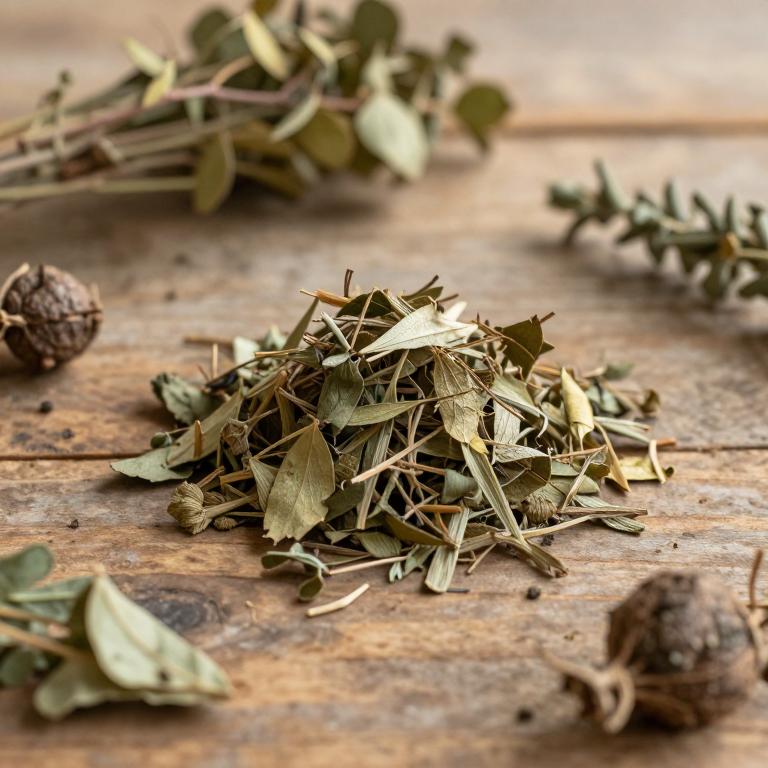
Names and Synonyms
Common Names
- Hagimit
Scientific Names
Accepted name
Ficus minahassaeSynonyms
- Bosscheria minahassae
Sources: Wikidata, Catalogue of Life
Taxonomical Classification
This plant belongs to the kingdom Plantae within the phylum Streptophyta and the class Equisetopsida. Under the subclass Magnoliidae, it is classified within the order Rosales and the family Moraceae. Ultimately, its taxonomic identity is defined by the genus Ficus, specifically as the species Ficus minahassae.
| Rank | Classification |
|---|---|
| Kingdom | Plantae |
| Phylum | Streptophyta |
| Class | Equisetopsida |
| Subclass | Magnoliidae |
| Order | Rosales |
| Family | Moraceae |
| Genus | Ficus |
Sources: The World Checklist of Vascular Plants (WCVP)
Distribution
This plant exhibits a specific geographical distribution within the Malesian botanical region. It can be found growing naturally on the island of Borneo. Additionally, its habitat extends to the various islands located within the Philippines. The species is also documented to occur in the Sulawesi region. Consequently, these areas represent the primary locations where this medicinal plant is distributed.
| Region | Area |
|---|---|
| Malesia | Borneo |
| Malesia | Philippines |
| Malesia | Sulawesi |
Sources: The World Checklist of Vascular Plants (WCVP)
Botanical Identification
Life history
The life history of Ficus minahassae is characterized by its status as a perennial organism, allowing it to persist through multiple growing seasons and establish a long-term presence in its ecosystem. Throughout its lifespan, the plant maintains an evergreen habit, ensuring that its foliage remains functional and photosynthetic year-round without undergoing a seasonal period of leaf drop.
- Deciduousness :
- evergreen
- Lifecycle :
- perennial
Morphology
The morphology of Ficus minahassae is characterized by its robust growth form, primarily manifesting as a large tree that can reach a significant plant height with a mean of approximately 20 m. As a woody species, it develops a sturdy, lignified structure that supports its substantial stature. While it exhibits the characteristics of a tree, its growth habit can also display climbing tendencies, categorized as a self-supporting liana or vine, meaning it possesses the structural integrity to remain upright without being an obligatory climber.
- Climber :
- self-supporting
- Growth form :
- tree
- Plant height mean:
- 20 m
- Woodiness :
- woody
Physiology
The physiology of Ficus minahassae is characterized by a C3 photosynthetic pathway, utilizing the standard Calvin cycle to fix atmospheric carbon dioxide during the light-independent reactions. This metabolic strategy dictates its efficiency in carbon assimilation and its specific requirements for moisture and light intensity to maintain optimal gas exchange. Furthermore, the plant does not function as a nitrogen fixer, meaning it lacks the specialized symbiotic relationships with diazotrophic bacteria necessary to convert atmospheric nitrogen into bioavailable forms, and instead relies on the uptake of nitrates and ammonium from the soil substrate to support its nitrogen requirements for protein synthesis and cellular growth.
- Nitrogen fixer :
- no
- Photosynthetic pathway :
- C3
Reproduction
The reproduction of Ficus minahassae is governed by a highly specialized biotic pollination syndrome, relying on complex biological interactions rather than abiotic factors. The plant utilizes a biotic mechanism to ensure successful fertilization, specifically through an intricate relationship with pollinating insects. Within this system, the pollination syndrome is characterized by insect-mediated processes, where specific insect taxa play a critical role in the transfer of pollen. This insect-driven strategy is fundamental to the plant's reproductive cycle, ensuring that genetic material is effectively moved between individual syconia to facilitate seed production.
- Pollination syndrome :
- insect
- Pollination syndrome :
- biotic
Sources: Global Inventory of Floras and Traits (GIFT)
Plant Parts
Ficus minahassae has 1 reported plant parts identified across 1 scientific publications and several other databases that are studied for medicinal purposes. The most consistently reported plant part include leaf.
| Plant part | Supporting sources | Consensus |
|---|---|---|
| Leaf | 1 supporting sources | ★☆☆☆☆ |
Leaf
- Journal of ethnopharmacology
Chemicals
Ficus minahassae has 6 reported phytochemicals identified across 1 scientific publications and several other databases. The most consistently reported chemicals include CHLOROFORM, Flavonoids, PETROLEUM ETHER, Phytosterols, Terpenoids.
| Chemical | Supporting sources | Consensus |
|---|---|---|
| CHLOROFORM | 1 supporting sources | ★☆☆☆☆ |
| Flavonoids | 1 supporting sources | ★☆☆☆☆ |
| PETROLEUM ETHER | 1 supporting sources | ★☆☆☆☆ |
| Phytosterols | 1 supporting sources | ★☆☆☆☆ |
| Terpenoids | 1 supporting sources | ★☆☆☆☆ |
| methanol | 1 supporting sources | ★☆☆☆☆ |
CHLOROFORM
- ISRN pharmacology
Flavonoids
- Pharmacognosy research
PETROLEUM ETHER
- ISRN pharmacology
Phytosterols
- Pharmacognosy research
Terpenoids
- Pharmacognosy research
methanol
- ISRN pharmacology
Activities
Ficus minahassae has 5 reported activities identified across 1 scientific publications and several other databases. The most consistently reported activities include Analgesic, Antidiabetic, Antimicrobial, Antioxidant, Thrombolytic.
| Activity | Supporting sources | Consensus |
|---|---|---|
| Analgesic | 1 supporting sources | ★☆☆☆☆ |
| Antidiabetic | 1 supporting sources | ★☆☆☆☆ |
| Antimicrobial | 1 supporting sources | ★☆☆☆☆ |
| Antioxidant | 1 supporting sources | ★☆☆☆☆ |
| Thrombolytic | 1 supporting sources | ★☆☆☆☆ |
Analgesic
- Journal of ethnopharmacology
Antidiabetic
- Journal of ethnopharmacology
Antimicrobial
- Ancient science of life
Antioxidant
- Pharmacognosy research
Thrombolytic
- ISRN pharmacology
Preparations
Ficus minahassae has 7 reported preparations identified across 1 scientific publications and several other databases. The most consistently reported preparations include 80% ethanolic extract, chloroform (FGCE), extracts, leaf gall extracts (aqueous and methanol), methanol (FGME).
| Preparation | Supporting sources | Consensus |
|---|---|---|
| 80% ethanolic extract | 1 supporting sources | ★☆☆☆☆ |
| Chloroform (fgce) | 1 supporting sources | ★☆☆☆☆ |
| Extracts | 1 supporting sources | ★☆☆☆☆ |
| Leaf gall extracts (aqueous and methanol) | 1 supporting sources | ★☆☆☆☆ |
| Methanol (fgme) | 1 supporting sources | ★☆☆☆☆ |
| Petroleum ether (fgpe) | 1 supporting sources | ★☆☆☆☆ |
| Vacuum dried 95% ethanolic extracts | 1 supporting sources | ★☆☆☆☆ |
80% ethanolic extract
- Ancient science of life
Chloroform (fgce)
- ISRN pharmacology
Extracts
- Phytotherapy research : PTR
Leaf gall extracts (aqueous and methanol)
- Pharmacognosy research
Methanol (fgme)
- ISRN pharmacology
Petroleum ether (fgpe)
- ISRN pharmacology
Vacuum dried 95% ethanolic extracts
- Journal of ethnopharmacology