Ficus microcarpa var. hillii
Ficus microcarpa var. hillii · Accepted scientific name
Scientific literature: Very Sparse (10 studies) · ★☆☆☆☆
scientifically known as Ficus microcarpra var. hillii, is a versatile botanical species valued for its unique properties. Often integrated into traditional healing practices, this plant offers significant therapeutic potential. Understanding its medicinal applications and bioactive compounds provides valuable insights into its role in natural wellness and holistic health treatments.
- Family
- Moraceae
- Native range
- Asia-Tropical
- Parts used
- Not available
- Common names
- Not available
- Scientific synonyms
- Ficus Hillii · Ficus Schlechteri
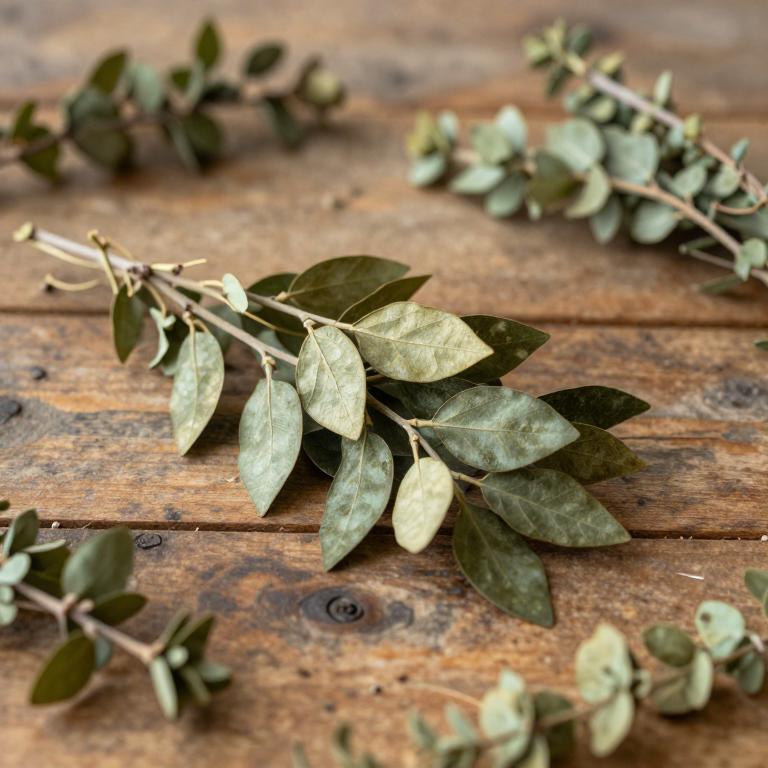
Names and Synonyms
Scientific Names
Accepted name
Ficus microcarpa var. hilliiSynonyms
- Ficus hillii
- Ficus schlechteri
Sources: Wikidata
Taxonomical Classification
This plant belongs to the kingdom Plantae and the phylum Streptophyta, falling under the class Equisetopsida and subclass Magnoliidae. Within the order Rosales and family Moraceae, it is classified under the genus Ficus. Specifically, it is identified by the variety name hillii as Ficus microcarpa var. hillii.
| Rank | Classification |
|---|---|
| Kingdom | Plantae |
| Phylum | Streptophyta |
| Class | Equisetopsida |
| Subclass | Magnoliidae |
| Order | Rosales |
| Family | Moraceae |
| Genus | Ficus |
Sources: The World Checklist of Vascular Plants (WCVP)
Distribution
This plant exhibits a wide distribution across several distinct biogeographical regions. Within the Malesia realm, it can be found throughout the Lesser Sunda Islands. Its range extends into Papuasia, where it is native to New Guinea. In the Australian region, the species is specifically located in Queensland. Finally, the plant reaches the Southwestern Pacific, spanning as far as New Caledonia.
| Region | Area |
|---|---|
| Malesia | Lesser Sunda Is. |
| Papuasia | New Guinea |
| Australia | Queensland |
| Southwestern Pacific | New Caledonia |
Sources: The World Checklist of Vascular Plants (WCVP)
Chemicals
Ficus microcarpa var. hillii has 5 reported phytochemicals identified across 0 scientific publications and several other databases. The most consistently reported chemicals include 5-O-Caffeoylshikimic acid, CHLOROGENIC ACID, Epicatechin, curcumin, rosmarinic acid.
| Chemical | Supporting sources | Consensus |
|---|---|---|
| 5-O-Caffeoylshikimic acid | 1 supporting sources | ★☆☆☆☆ |
| CHLOROGENIC ACID | 1 supporting sources | ★☆☆☆☆ |
| Epicatechin | 1 supporting sources | ★☆☆☆☆ |
| curcumin | 1 supporting sources | ★☆☆☆☆ |
| rosmarinic acid | 1 supporting sources | ★☆☆☆☆ |
5-O-Caffeoylshikimic acid
- Antioxidants (Basel, Switzerland)
CHLOROGENIC ACID
- Antioxidants (Basel, Switzerland)
Epicatechin
- Antioxidants (Basel, Switzerland)
curcumin
- Antioxidants (Basel, Switzerland)
rosmarinic acid
- Antioxidants (Basel, Switzerland)