Ficus laurifolia
Ficus laurifolia · Accepted scientific name
Scientific literature: Very Sparse (0 studies) · ★☆☆☆☆
Ficus laurifolia is a versatile plant species that has long been utilized in traditional herbal practices. Within certain botanical traditions, various parts of this plant are studied for their potential therapeutic applications. Some practitioners suggest that its natural properties may offer relief for individuals struggling with the discomfort of hemorrhoids. While many people turn to such natural remedies for symptom management, it is essential to approach their use with caution. Always consult a medical professional before integrating this plant into a treatment regimen for sensitive health conditions.
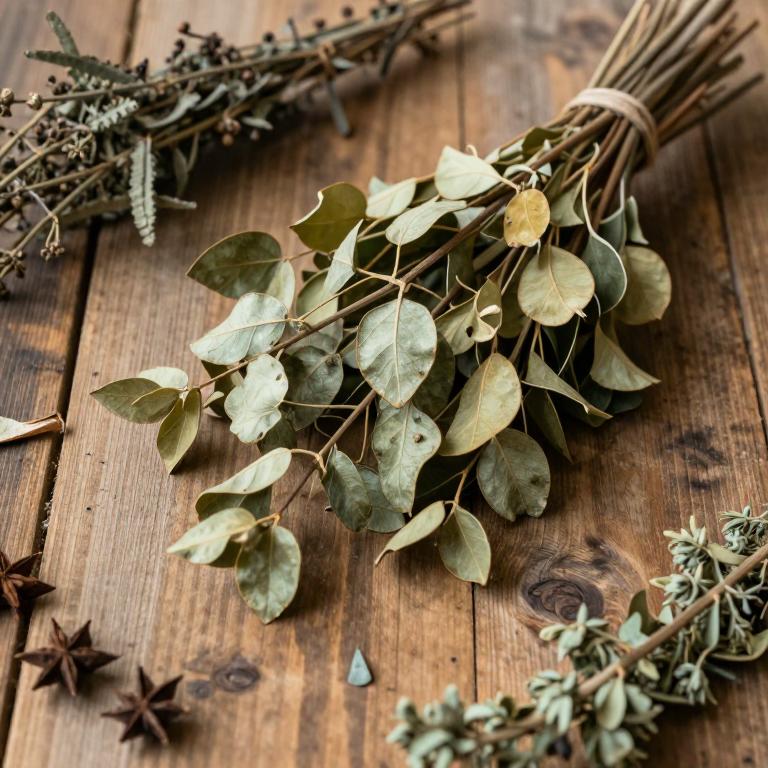
- Synonyms
- Urostigma Rhododendrifolium · Rephesis Ovata · 21 more
- Common names
- Not available
- Family
- Moraceae
- Distribution
- Southern America
- Plant Parts
- Not available
Classification
Synonyms
Ficus laurifolia is a taxonomically complex species that is frequently identified by several different botanical names. Within scientific literature, this plant is recognized by various synonyms, including the designation Ficus africana. It is also closely associated with the names Ficus bibracteata and Ficus brachypoda var. scoana. Furthermore, researchers often encounter this species labeled as Ficus buchneri in different contexts. Finally, the name Ficus johnstonii serves as another recognized synonym for this multifaceted plant.
Sources: The World Checklist of Vascular Plants (WCVP)
Taxonomy
Ficus laurifolia belongs to the expansive kingdom Plantae, showcasing the diverse beauty of the natural world. Within this vast group, the species is classified under the class Equisetopsida. It further resides in the order Rosales, connecting it to a wide array of botanical relatives. As a member of the genus Ficus, it shares a common lineage with many well-known fig trees. Ultimately, this plant is a distinguished representative of the Moraceae family.
| Rank | Classification |
|---|---|
| Kingdom | Plantae |
| Phylum | Streptophyta |
| Class | Equisetopsida |
| Subclass | Magnoliidae |
| Order | Rosales |
| Family | Moraceae |
| Genus | Ficus |
Sources: The World Checklist of Vascular Plants (WCVP)
Distribution
Geographic Regions
Ficus laurifolia is a notable species with a broad distribution spanning several regions across the African continent. It is commonly found throughout East Tropical Africa, specifically within the borders of Kenya, Tanzania, and Uganda. The plant's reach also extends into Northeast Tropical Africa, where it establishes itself in diverse habitats. Within this northeastern zone, it can be identified in both Eritrea and Ethiopia. These varied locations highlight the plant's significant ecological presence across the eastern reaches of Africa.
Sources: The World Checklist of Vascular Plants (WCVP)
Identification
Morphology
Ficus laurifolia is a distinct tree species known for its impressive and robust growth form. As a self-supporting plant, it stands firmly on its own within its natural habitat. The height of this species can vary significantly, with smaller individuals reaching a minimum of 3.5 meters. Some specimens grow to a substantial stature of at least 15 meters. Ultimately, this tree can reach a maximum height of approximately 12.19 meters, showcasing its diverse physical presence.
Sources: Global Inventory of Floras and Traits (GIFT)
Biological Activities
Compounds
Conditions
Ficus laurifolia is identified as a medicinal plant used for the treatment of hemorrhoids in the Lubumbashi region of the Democratic Republic of Congo. This specific species was reported for the first time in this study as a taxon capable of managing hemorrhoidal diseases. It belongs to a diverse group of plants, including trees and shrubs, that traditional healers and households utilize for this purpose. The inclusion of this plant highlights the expanding ethnomedical knowledge regarding natural remedies for gastrointestinal ailments. Researchers are now conducting pharmacological studies to validate its anti-hemorrhoidal properties and identify the active phytochemical compounds.