Ficus deltoidea subsp. motleyana
Ficus deltoidea subsp. motleyana · Accepted scientific name
Scientific literature: Very Sparse (0 studies) · ★☆☆☆☆
Ficus deltoidea subsp. motleyana is a botanical species frequently explored for its diverse pharmacological properties. Current scientific interest focuses heavily on the plant's potential to influence metabolic health through its bioactive compounds. Specifically, researchers are investigating how various extracts derived from this plant may affect physiological processes. One of the most significant areas of study involves the regulation of insulin secretion in response to glucose. Understanding these mechanisms could pave the way for novel natural approaches to managing diabetes.
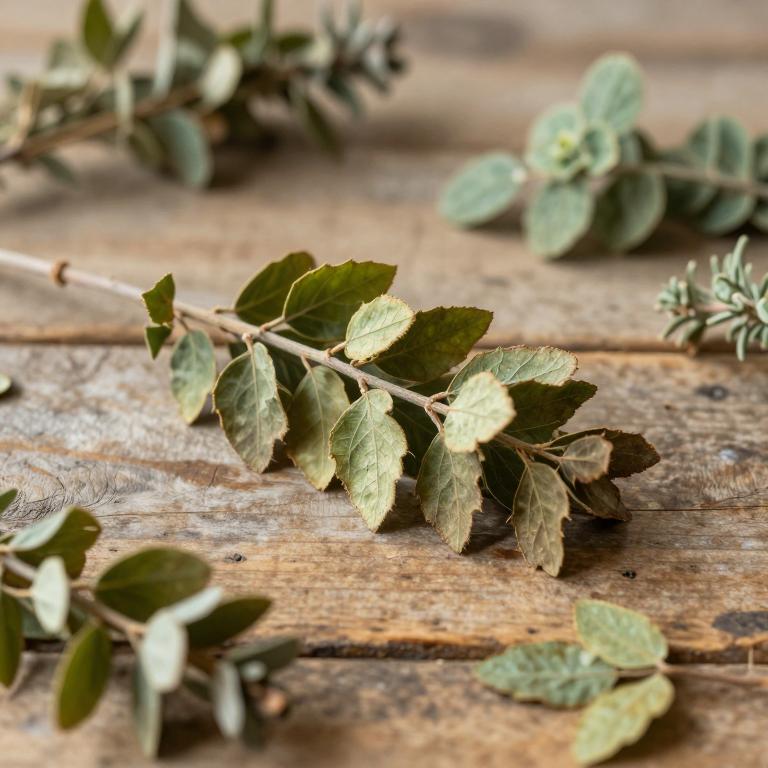
- Synonyms
- Urostigma Oligoneuron · Synoecia Grandifolia · 5 more
- Common names
- Not available
- Family
- Moraceae
- Distribution
- Not available
- Plant Parts
- Not available
Classification
Synonyms
Ficus deltoidea subsp. motleyana is a complex taxon that is frequently referred to by several different botanical names. This specific subspecies is recognized as a synonym for various classifications, including Ficus deltoidea var. motleyana and Ficus deltoidea var. oligoneura. Researchers also identify this plant under the names Ficus landonii and Ficus motleyana within different taxonomic frameworks. Additionally, it is often categorized under the synonym Ficus oligoneura in older or alternative literature. Understanding these overlapping nomenclatures is essential for accurate identification and scientific communication.
Sources: The World Checklist of Vascular Plants (WCVP)
Taxonomy
Ficus deltoidea subsp. motleyana is a remarkable specimen that belongs to the vast kingdom Plantae. Within this expansive biological realm, the plant is classified under the class Equisetopsida. It further finds its place in the order Rosales, showcasing its evolutionary connections to a diverse group of species. As a member of the genus Ficus, it shares a lineage with many well-known fig varieties. Ultimately, this unique subspecies is a distinguished representative of the family Moraceae.
| Rank | Classification |
|---|---|
| Kingdom | Plantae |
| Phylum | Streptophyta |
| Class | Equisetopsida |
| Subclass | Magnoliidae |
| Order | Rosales |
| Family | Moraceae |
| Genus | Ficus |
Sources: The World Checklist of Vascular Plants (WCVP)
Distribution
Geographic Regions
Ficus deltoidea subsp. motleyana is a distinctive plant species primarily distributed throughout the tropical regions of Asia. It maintains a significant presence across the Malesia zone, flourishing in diverse island ecosystems. Specifically, this subspecies can be found inhabiting the lush landscapes of Borneo and Jawa. Its range further extends to the territories of Malaya and Sulawesi, showcasing its adaptability to various tropical environments. Finally, the plant is also well-established within the fertile regions of Sumatera, completing its widespread presence in the region.
Sources: The World Checklist of Vascular Plants (WCVP)
Identification
Biological Activities
Compounds
Conditions
Ficus deltoidea subsp. motleyana exhibits a dose-dependent effect on insulin secretion when treated with standardized methanolic extracts. This specific variety demonstrates insulinotropic activity by stimulating the secretion of insulin in clonal BRIN BD11 cell lines. The research indicates that these extracts can target pancreatic beta cells to escalate insulin production. Such activity highlights the plant's potential as a modern candidate for antidiabetic agents. Consequently, the treatment provided by this subspecies plays a crucial role in managing glucose levels through enhanced insulin secretion.
Preparations
Ficus deltoidea subsp. motleyana is prepared as standardized methanolic extracts to study its medicinal properties. These specific extracts are utilized to assess insulin secretion activity in various biological assays. Research indicates that the insulin secretion response for this variety is dose-dependent. By using these prepared extracts, scientists can evaluate the plant's potential as an antidiabetic agent. Consequently, the preparation of these extracts helps elucidate the mechanisms underlying their insulinotropic effects.