Ferula vesceritensis
Ferula vesceritensis · Accepted scientific name
Scientific literature: Very Sparse (0 studies) · ★☆☆☆☆
Ferula vesceritensis is a specialized plant species that has drawn significant scientific interest due to its potential biological properties. Research has specifically focused on the efficacy of its fruit and root components in relation to SARS-CoV-2 conditions. By utilizing an organic root extract, scientists aim to explore the therapeutic potential inherent in this botanical specimen. Understanding the chemical profile of these parts is crucial for developing novel medicinal approaches. Consequently, this plant represents a promising subject in the ongoing search for natural antiviral interventions.
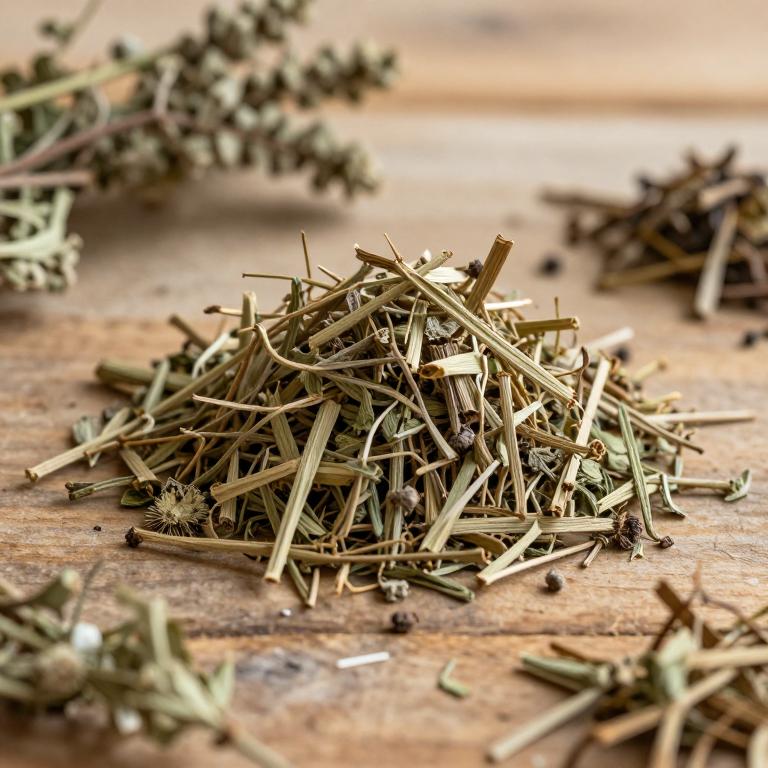
- Synonyms
- Not available
- Common names
- Not available
- Family
- Apiaceae
- Distribution
- Not available
- Plant Parts
- Fruit · Root
Classification
Taxonomy
Ferula vesceritensis is a distinctive member of the kingdom Plantae. Within this vast biological realm, the species belongs to the class Equisetopsida. It is further classified under the order Apiales, showcasing its evolutionary connections. As a representative of the genus Ferula, it displays unique morphological traits characteristic of its lineage. Finally, this plant finds its place within the diverse family Apiaceae.
| Rank | Classification |
|---|---|
| Kingdom | Plantae |
| Phylum | Streptophyta |
| Class | Equisetopsida |
| Subclass | Magnoliidae |
| Order | Apiales |
| Family | Apiaceae |
| Genus | Ferula |
Sources: The World Checklist of Vascular Plants (WCVP)
Distribution
Geographic Regions
Ferula vesceritensis is a plant species primarily found within the diverse landscapes of North Africa. Its geographic presence is most notable across the specific territories of Algeria and Libya. Additionally, the species can be found flourishing throughout the regions of Tunisia. This distribution highlights its specialized adaptation to the unique environmental conditions of the North African continent. Consequently, understanding its range is essential for studying the local biodiversity of these Mediterranean areas.
Sources: The World Checklist of Vascular Plants (WCVP)
Identification
Biological Activities
Compounds
Conditions
Ferula vesceritensis demonstrates significant therapeutic potential through its ability to target both viral and bacterial pathogens. In silico molecular docking analyses indicate that specific sesquiterpenes isolated from the plant's roots can bind to the main protease and RNA-dependent RNA polymerase of SARS-CoV-2. This binding mechanism suggests that the plant's metabolites may act as inhibitors to prevent viral multiplication. Additionally, experimental studies using the disc diffusion method have confirmed the plant's antibacterial properties. Specifically, the hexane fraction of F. vesceritensis has shown effective activity against Staphylococcus aureus (ATCC 25923).
Preparations
Ferula vesceritensis is prepared as an organic root extract to facilitate the isolation of various chemical compounds. This specific extraction process yielded several carotane sesquiterpenes, including webiol anisate and 10α-acetoxy-6α-benzoate-jaeschkeanadiol. These isolated metabolites were subsequently analyzed through molecular docking to evaluate their potential as SARS-CoV-2 binding inhibitors. The use of the organic root extract allowed researchers to identify constituents that may bind to enzymes required for viral replication. Consequently, the preparation of this extract serves as the foundational step for studying the plant's medicinal properties.
Parts used
Ferula vesceritensis is a significant medicinal plant from the Algerian Sahara that offers various bioactive components. Research into the plant's fruit has revealed that its extracts possess notable antibacterial properties, particularly against Staphylococcus aureus. Beyond the fruit, the organic root extract of this species contains specialized sesquiterpenes that have shown potential in computational studies. These isolated compounds from the root are being investigated for their ability to bind to enzymes required for viral replication. Together, these findings highlight how different parts of the plant contribute to its diverse pharmacological potential.