Ferula kopetdagi
Ferula kopetdagi · Accepted scientific name
Scientific literature: Very Sparse (3 studies) · ★☆☆☆☆
Ferula kopetdagi is a significant botanical species that has gained attention for its diverse biological activities, including antibacterial, antifungal, and antioxidant properties. Research focusing on the plant's root has led to the identification of unique chemical constituents known as Kopetdaghin D and Kopetdaghin E. These bioactive compounds have demonstrated notable efficacy against the fungal pathogen Candida albicans. Various extraction methods, such as dichloromethane (DCM), ethyl acetate (EtOAc), and methanolic crude extracts (MeOH), have been employed to isolate these potent substances. Furthermore, the study of methanolic soluble fractions continues to reveal the therapeutic potential inherent within this plant.
- Synonyms
- Dorema Kopetdaghense
- Common names
- Not available
- Family
- Apiaceae
- Distribution
- Not available
- Plant Parts
- Root
Classification
Synonyms
Ferula kopetdagi is a distinctive botanical species known for its unique presence in its native habitat. Within scientific literature, this plant is also recognized by the synonym Dorema kopetdaghense. This nomenclatural overlap highlights the complex history of taxonomic classification for the species. Understanding these synonymous relationships is essential for researchers documenting regional biodiversity. Consequently, identifying both names ensures accuracy when studying the plant's ecological role.
Sources: The World Checklist of Vascular Plants (WCVP)
Taxonomy
Ferula kopetdagi is a distinctive botanical specimen belonging to the kingdom Plantae. Within this vast kingdom, the species is classified under the class Equisetopsida. It further falls into the order Apiales, showcasing its place in a specific evolutionary lineage. As a member of the family Apiaceae, it shares structural characteristics with many well-known herbs. Ultimately, this plant is categorized under the genus Ferula, defining its unique taxonomic identity.
| Rank | Classification |
|---|---|
| Kingdom | Plantae |
| Phylum | Streptophyta |
| Class | Equisetopsida |
| Subclass | Magnoliidae |
| Order | Apiales |
| Family | Apiaceae |
| Genus | Ferula |
Sources: The World Checklist of Vascular Plants (WCVP)
Distribution
Geographic Regions
Ferula kopetdagi is a specialized plant species with a distinct geographical range spanning parts of the Asia-Temperate region. Its natural distribution is primarily concentrated within the rugged landscapes of Central Asia, particularly throughout Turkmenistan. Additionally, the species extends its reach into Western Asia, establishing a presence within the borders of Iran. These specific territories highlight the plant's reliance on the unique environmental conditions found in these arid zones. Understanding these regional connections is essential for grasping the ecological footprint of this particular taxon.
Sources: The World Checklist of Vascular Plants (WCVP)
Identification
Biological Activities
Ferula kopetdagi possesses a diverse range of biological properties that highlight its potential medicinal value. Research indicates that this plant exhibits significant antibacterial activity, making it a candidate for combating various pathogens. Additionally, its potent antifungal properties demonstrate its effectiveness in inhibiting fungal growth. The plant also shows notable antioxidant activity, which can help mitigate oxidative stress in biological systems. Together, these therapeutic characteristics suggest that the species could play a vital role in developing natural healthcare solutions.
Compounds
Ferula kopetdagi is a plant species that has been studied for its complex chemical composition. Specifically, research into its root system has revealed the presence of unique sesquiterpene derivatives. Among these identified compounds are Kopetdaghin D and Kopetdaghin E. These specific derivatives contribute to the overall chemical profile found within the plant's biological structure. Understanding these relationships is essential for further exploring the phytochemical properties of the species.
Conditions
Ferula kopetdagi, specifically identified in the text as Dorema kopetdaghense, demonstrates significant potential as a medicinal antifungal agent. Research indicates that the methanolic crude extract and its various sub-fractions exhibit remarkable antifungal effects against Candida albicans. These extracts achieved impressive minimum inhibitory and bactericidal concentration values of 10 µg/mL during testing. Crucially, this treatment of Candida albicans was achieved without observing any notable cytotoxicity in selected cancer cells. Such results suggest the plant could serve as a safe, natural remedy for managing this specific fungal pathogen.
Preparations
Ferula kopetdagi is prepared as a methanolic crude extract (MeOH) to facilitate further chemical analysis. This plant is also prepared as dichloromethane (DCM) and ethyl acetate (EtOAc) through specific extraction processes. Additionally, Ferula kopetdagi is prepared as n-butanol (n-BuOH) to isolate various bioactive compounds. Finally, the plant is prepared as methanolic soluble fractions to evaluate its antioxidant properties.
Parts used
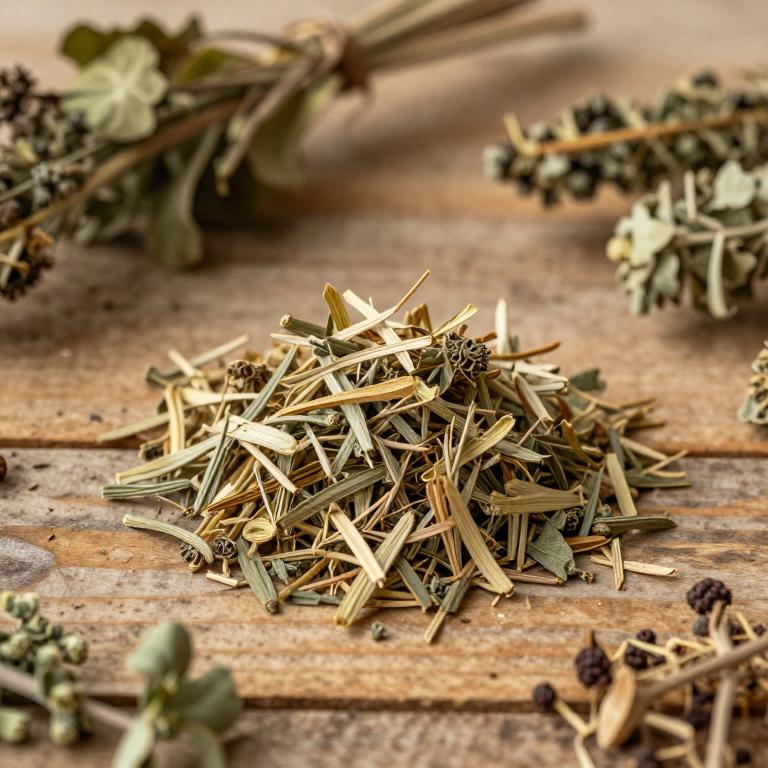
Ferula kopetdagi is closely associated with the botanical characteristics of the region, though much of the existing research focuses on related species like Dorema kopetdaghense. In these studies, the root of the plant serves as a primary source for isolating various bioactive compounds. Specifically, sesquiterpene derivatives such as kopetdaghins D and E have been identified within the root structures. Beyond its chemical composition, the root extracts have demonstrated significant medicinal potential, including potent antifungal and antibacterial activities. These findings suggest that the plant's roots could eventually serve as a valuable natural remedy or food preservative.