Ferula ferganensis
Ferula ferganensis · Accepted scientific name
Scientific literature: Very Sparse (2 studies) · ★☆☆☆☆
Ferula ferganensis, scientifically known as Ferula ferganensis, is a perennial herb native to the arid mountainous regions of Central Asia. Belonging to the Apiaceae family, this medicinal plant is highly valued in traditional medicine for its bioactive compounds, which offer significant therapeutic potential in treating various inflammatory conditions.
- Family
- Not available
- Native range
- Asia-Temperate
- Parts used
- Rhizome
- Common names
- Not available
- Scientific synonyms
- Not available
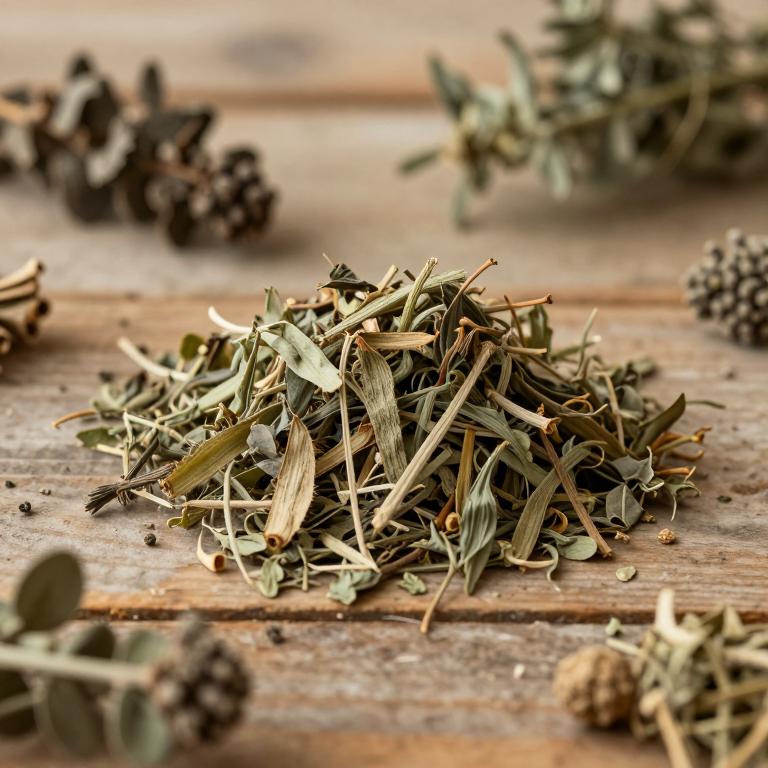
Names and Synonyms
Scientific Names
Accepted name
Ferula ferganensisSources: Wikidata
Distribution
This plant is specifically native to the central regions of the Asian continent. Its natural habitat is primarily concentrated within the geographical boundaries of Central Asia. Within this region, it can be found growing in the territory of Kyrgyzstan. Additionally, its distribution extends into the neighboring country of Uzbekistan. Therefore, the occurrence of this species is limited to these specific Central Asian landscapes.
| Region | Area |
|---|---|
| Central Asia | Kirgizstan |
| Central Asia | Uzbekistan |
Sources: The World Checklist of Vascular Plants (WCVP)
Botanical Identification
Ecology
The ecology of Ferula ferganensis is defined by its specialized adaptation to rugged, high-elevation environments. This species thrives primarily within mountainous regions, where it colonizes stony places and rocky terrain that offer well-drained substrates. By occupying these lithic habitats, the plant navigates the specific microclimates of montane ecosystems, utilizing the crevices and mineral-rich rocky soils characteristic of its natural range. This preference for stony, elevated landscapes suggests a high tolerance for the intense solar radiation and fluctuating thermal conditions typical of mountain slopes.
- Habitat :
- mountains, stony places
Life history
The life history of Ferula ferganensis is characterized by its status as a perennial plant, allowing it to persist in its natural habitat through multiple growing seasons. As a perennial species, it does not complete its life cycle in a single year but rather undergoes a continuous cycle of vegetative growth and reproductive phases. The plant develops robust underground structures that facilitate long-term survival, enabling it to withstand environmental fluctuations and accumulate the necessary energy reserves to support its development over several years. This extended lifecycle allows the plant to establish a stable presence within its ecological niche, periodically producing inflorescences and seeds to ensure the continuation of its lineage across successive generations.
- Lifecycle :
- perennial
Morphology
The morphology of Ferula ferganensis is characterized by a growth form classified as a herb, exhibiting a non-woody structure throughout its development. The plant reaches a height of approximately 1 m, manifesting as a herbaceous organism without woody tissues.
- Growth form :
- herb
- Plant height min:
- 1 m
- Woodiness :
- non-woody
Reproduction
The reproduction of Ferula ferganensis is primarily characterized by its seasonal flowering cycle, which is concentrated within a specific period of the year. The flowering process begins in June and concludes within the same month, indicating a brief and highly synchronized reproductive window. This specific timing suggests that the plant relies on a narrow window of environmental conditions to facilitate its reproductive success.
- Flowering time :
- Jun
Sources: Global Inventory of Floras and Traits (GIFT)
Plant Parts
Ferula ferganensis has 1 reported plant parts identified across 1 scientific publications and several other databases that are studied for medicinal purposes. The most consistently reported plant part include rhizome.
| Plant part | Supporting sources | Consensus |
|---|---|---|
| Rhizome | 1 supporting sources | ★☆☆☆☆ |
Rhizome
- Fitoterapia
Conditions
Ferula ferganensis has 1 reported investigations on conditions identified across 1 scientific publications and several other databases. The most consistently reported conditions include pancreatic cancer.
| Condition | Supporting sources | Consensus |
|---|---|---|
| Pancreatic cancer | 1 supporting sources | ★☆☆☆☆ |
Pancreatic cancer
- Fitoterapia