Ferula drudeana
Ferula drudeana · Accepted scientific name
Scientific literature: Very Sparse (7 studies) · ★☆☆☆☆
, scientifically known as Ferula drudeana, is a significant medicinal herb native to the arid regions of Central Asia. Renowned for its diverse therapeutic properties, this plant is traditionally utilized in folk medicine to treat various ailments, offering valuable bioactive compounds that hold great potential for modern pharmacological research.
- Family
- Apiaceae
- Native range
- Asia-Temperate
- Parts used
- Fruit · Root
- Common names
- Not available
- Scientific synonyms
- Not available
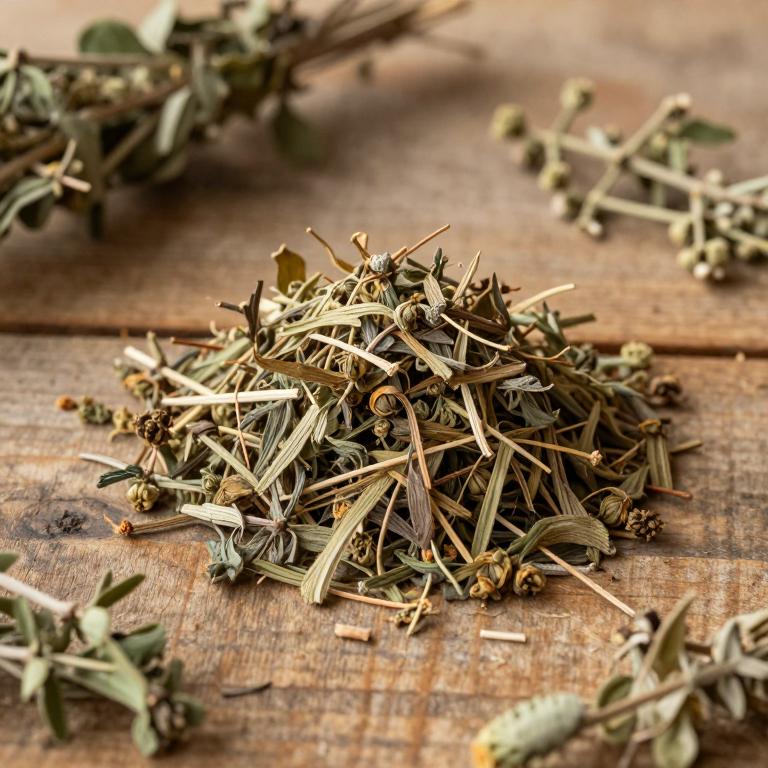
Names and Synonyms
Scientific Names
Accepted name
Ferula drudeanaSources: Wikidata, Catalogue of Life
Taxonomical Classification
This plant belongs to the kingdom Plantae and the phylum Streptophyta, placing it within the class Equisetopsida and subclass Magnoliidae. It is further classified under the order Apiales and the family Apiaceae. Finally, its specific taxonomic identity is defined by its membership in the genus Ferula.
| Rank | Classification |
|---|---|
| Kingdom | Plantae |
| Phylum | Streptophyta |
| Class | Equisetopsida |
| Subclass | Magnoliidae |
| Order | Apiales |
| Family | Apiaceae |
| Genus | Ferula |
Sources: The World Checklist of Vascular Plants (WCVP)
Distribution
This plant is characterized by a very specific and limited geographical range. Its natural occurrence is confined to the region of Western Asia. Within this broader area, the species is found exclusively in Türkiye. This narrow distribution suggests that the plant thrives under specific environmental conditions unique to that territory. Consequently, understanding its local habitat is essential for its conservation and study.
| Region | Area |
|---|---|
| Western Asia | Türkiye |
Sources: The World Checklist of Vascular Plants (WCVP)
Plant Parts
Ferula drudeana has 2 reported plant parts identified across 2 scientific publications and several other databases that are studied for medicinal purposes. The most consistently reported plant part include fruit, root.
| Plant part | Supporting sources | Consensus |
|---|---|---|
| Fruit | 1 supporting sources | ★☆☆☆☆ |
| Root | 1 supporting sources | ★☆☆☆☆ |
Fruit
- Plants (Basel, Switzerland)
Root
- Plants (Basel, Switzerland)
Chemicals
Ferula drudeana has 2 reported phytochemicals identified across 2 scientific publications and several other databases. The most consistently reported chemicals include 6-Epishyobunone, SHYOBUNONE.
| Chemical | Supporting sources | Consensus |
|---|---|---|
| 6-Epishyobunone | 1 supporting sources | ★☆☆☆☆ |
| SHYOBUNONE | 1 supporting sources | ★☆☆☆☆ |
6-Epishyobunone
- Plants (Basel, Switzerland)
SHYOBUNONE
- Plants (Basel, Switzerland)
Activities
Ferula drudeana has 2 reported activities identified across 2 scientific publications and several other databases. The most consistently reported activities include Antibacterial, Antioxidant.
| Activity | Supporting sources | Consensus |
|---|---|---|
| Antibacterial | 1 supporting sources | ★☆☆☆☆ |
| Antioxidant | 1 supporting sources | ★☆☆☆☆ |
Antibacterial
- Plants (Basel, Switzerland)
Antioxidant
- Plants (Basel, Switzerland)
Conditions
Ferula drudeana has 1 reported investigations on conditions identified across 2 scientific publications and several other databases. The most consistently reported conditions include Candida utilis.
| Condition | Supporting sources | Consensus |
|---|---|---|
| Candida utilis | 1 supporting sources | ★☆☆☆☆ |
Candida utilis
- Plants (Basel, Switzerland)