Ferula diversivittata
Ferula diversivittata · Accepted scientific name
Scientific literature: Very Sparse (0 studies) · ★☆☆☆☆
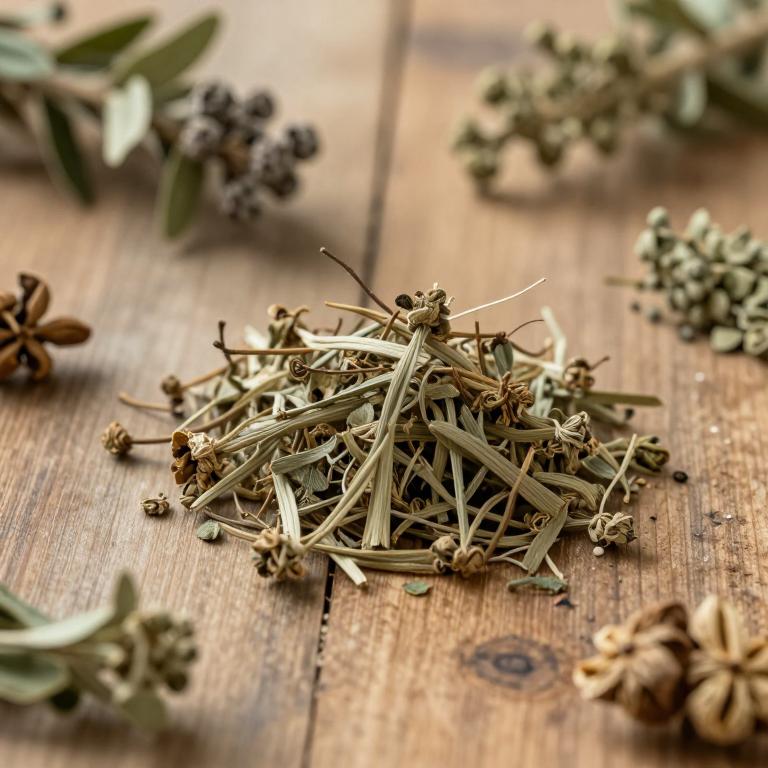
Ferula diversivittata is a distinctive member of the Apiaceae family known for its striking botanical features. This perennial herb is most easily identified by its complex and ornamental flower structures. The inflorescence typically consists of large umbels that draw the attention of various pollinators in its natural habitat. As the plant matures, these flowers play a crucial role in its reproductive cycle and overall survival. Understanding the unique characteristics of its flowering stage provides valuable insight into the species' biology.
- Synonyms
- Ferula Suaveolens · Ferula Sintenisii
- Common names
- Not available
- Family
- Apiaceae
- Distribution
- Not available
- Plant Parts
- Flower
Classification
Common Names
Ferula diversivittata, known by its common name Ферула разноканальцевая, is a distinct botanical species that holds a unique place in its natural habitat. This plant is characterized by its specific morphological traits which help distinguish it from other members of the genus. Understanding its classification and naming conventions is essential for researchers studying regional biodiversity. By recognizing its local identity, botanists can better document the ecological relationships within its native environment. As such, the study of this species offers valuable insights into the complex botanical landscape it inhabits.
Sources: Catalogue of Life (COL)
Synonyms
Ferula diversivittata is a botanical species that is frequently identified through various taxonomic classifications. In many scientific records, this plant is listed as a synonym for Ferula sintenisii. Additionally, researchers often encounter it referred to under the synonym Ferula suaveolens. These overlapping names can sometimes lead to confusion when studying its specific characteristics. Understanding these relationships is essential for maintaining accurate botanical documentation.
Sources: The World Checklist of Vascular Plants (WCVP)
Taxonomy
Ferula diversivittata is a remarkable botanical specimen belonging to the vast kingdom Plantae. Within this expansive group, it is classified under the class Equisetopsida. This plant further belongs to the specific order Apiales, showcasing its unique evolutionary lineage. It is a distinguished member of the genus Ferula, a group known for its distinct characteristics. Ultimately, its biological identity is firmly rooted within the diverse family Apiaceae.
| Rank | Classification |
|---|---|
| Kingdom | Plantae |
| Phylum | Streptophyta |
| Class | Equisetopsida |
| Subclass | Magnoliidae |
| Order | Apiales |
| Family | Apiaceae |
| Genus | Ferula |
Sources: The World Checklist of Vascular Plants (WCVP)
Distribution
Geographic Regions
Ferula diversivittata is a plant species primarily found throughout the Asia-Temperate region. Its natural distribution is concentrated within the heart of Central Asia, spanning several distinct nations. Specifically, this species can be located across the diverse landscapes of Kazakhstan and Kyrgyzstan. It also maintains a presence in the territories of Tajikistan and Turkmenistan. Finally, the range of Ferula diversivittata extends into the country of Uzbekistan, completing its regional footprint.
Sources: The World Checklist of Vascular Plants (WCVP)
Identification
Morphology
Ferula diversivittata is a robust herb characterized by its distinct growth form. This species typically reaches a minimum height of 1.5 meters as it matures.
Sources: Global Inventory of Floras and Traits (GIFT)
Biological Activities
Compounds
Conditions
Preparations
Parts used
Ferula diversivittata is a medicinal plant species that has been studied for its various biological properties. In recent pharmacological evaluations, researchers specifically utilized the flowers of this plant to prepare methanol extracts. These extracts were tested alongside other parts of different Ferula species to assess their potential medicinal value. The study focused on determining the cytotoxicity of these extracts using the brine shrimp model assay system. Ultimately, the research aimed to clarify the therapeutic potential of various plant parts, including the floral components of Ferula diversivittata.