Ferula alliacea
Ferula alliacea · Accepted scientific name
Scientific literature: Very Sparse (0 studies) · ★☆☆☆☆
Ferula alliacea is a distinctive plant species primarily valued for the potent medicinal properties found within its root. This botanical specimen exhibits significant pharmacological potential, functioning effectively as an aldose-reductase inhibitor. Furthermore, it serves as a powerful allelochemic, influencing the growth and behavior of surrounding vegetation. Its chemical profile also provides therapeutic benefits through its roles as both an analgesic and an anesthetic. Consequently, the root remains a subject of intense interest for its diverse biological activities.
- Synonyms
- Peucedanum Alliacea
- Common names
- Not available
- Family
- Apiaceae
- Distribution
- Southern America
- Plant Parts
- Root
Classification
Common Names
Ferula alliacea is a distinctive botanical species widely recognized by its common Chinese name, 蒜臭阿魏. This name serves as a descriptive identifier, highlighting the plant's characteristic pungent aroma that closely resembles garlic. Such olfactory traits are common among various members of the Apiaceae family, which often possess strong, aromatic compounds. Understanding these linguistic connections helps botanists and herbalists better categorize the plant's unique sensory profile. Consequently, the relationship between its scientific nomenclature and its common alias provides essential context for its identification in the field.
Sources: Catalogue of Life (COL)
Synonyms
Ferula alliacea is a distinctive botanical species that is sometimes identified by different scientific names. In many historical records and taxonomic databases, it is listed as having the synonym Peucedanum alliacea. This nomenclatural connection reflects the evolving nature of plant classification and the shifting perspectives of botanists over time. Understanding these linguistic links is essential for researchers attempting to track the plant's lineage accurately. Consequently, recognizing both names ensures that information regarding this species remains consistent across various scientific studies.
Sources: The World Checklist of Vascular Plants (WCVP)
Taxonomy
Ferula alliacea is a distinctive member of the kingdom Plantae. Within this vast biological realm, the plant is categorized under the class Equisetopsida. It belongs to the order Apiales, showcasing its evolutionary connections to other flowering plants. Furthermore, it is nested within the family Apiaceae, a group known for its complex structures. Ultimately, this species is defined by its placement in the genus Ferula.
| Rank | Classification |
|---|---|
| Kingdom | Plantae |
| Phylum | Streptophyta |
| Class | Equisetopsida |
| Subclass | Magnoliidae |
| Order | Apiales |
| Family | Apiaceae |
| Genus | Ferula |
Sources: The World Checklist of Vascular Plants (WCVP)
Distribution
Geographic Regions
Ferula alliacea is a distinctive plant species primarily found within the Asia-Temperate geographic region. Its natural habitat is most concentrated across Western Asia, where it thrives in specific environmental conditions. Within this vast territory, Iran serves as a key location for its distribution. Understanding these precise locations helps researchers map the ecological niche this species occupies. Consequently, its presence is a defining characteristic of the local flora in these specific landscapes.
Sources: The World Checklist of Vascular Plants (WCVP)
Identification
Biological Activities
Compounds
Conditions
Preparations
Parts used
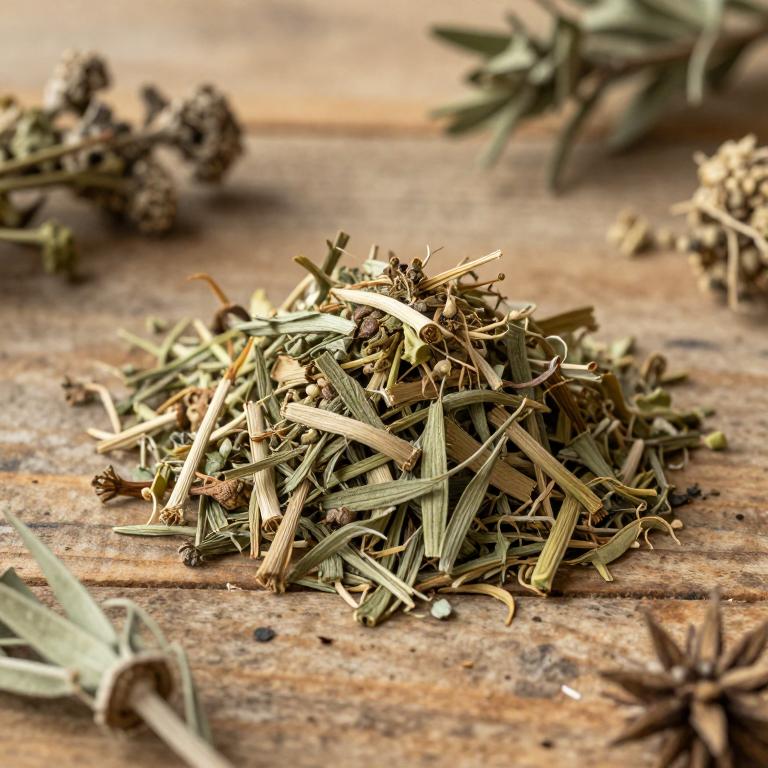
Ferula alliacea is a perennial herb recognized as a primary source of the oleo-gum-resin asafoetida. Research indicates that the essential oils used for chemical analysis are extracted specifically from its dried roots. These roots contain a complex mixture of oxygenated sesquiterpenes and various volatile sulphur-containing compounds. Through GC-MS analysis, scientists have identified that the characteristic aromatic scent of the plant is largely driven by these sulphur components. Ultimately, studying the root structure provides essential data regarding the mass fragmentation patterns of its most abundant chemical constituents.