Feijoa
Feijoa · Accepted scientific name
Scientific literature: Very Sparse (0 studies) · ★☆☆☆☆
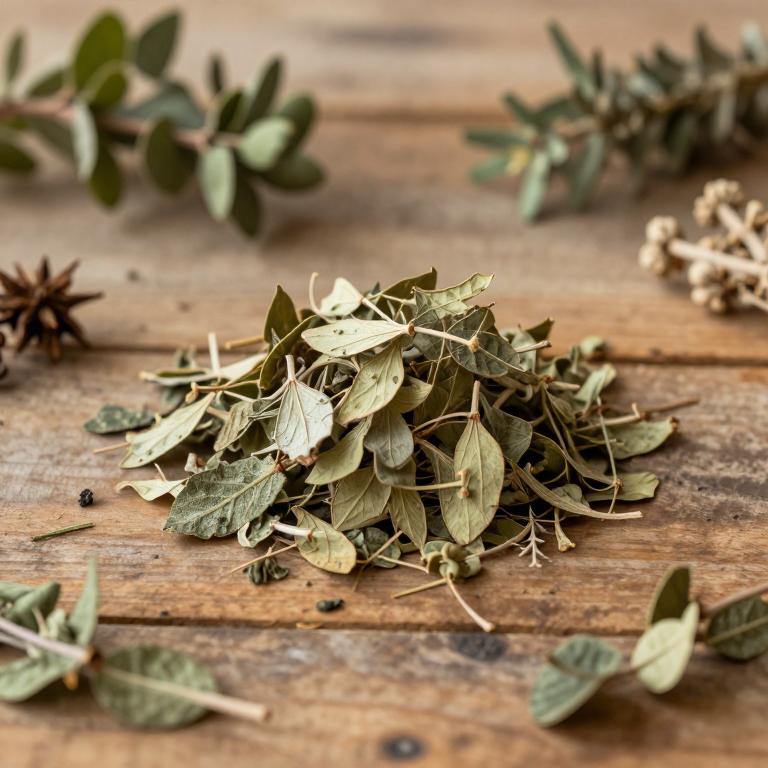
Feijoa is a unique evergreen shrub renowned for its aromatic fruit and dense, glossy foliage. Recent scientific investigations have focused on the plant's biological interactions, particularly regarding its relationship with various fungi. Researchers are exploring how these fungal elements can be leveraged through specialized preparations to enhance plant health. One promising method involves the application of calli extract to study cellular responses and growth stimulation. This integrated approach aims to unlock new possibilities for optimizing the cultivation and resilience of the species.
- Synonyms
- Not available
- Common names
- Not available
- Family
- Myrtaceae
- Distribution
- Not available
- Plant Parts
- Not available
Classification
Common Names
Feijoa is a unique fruit-bearing plant that is recognized by several different names across various cultures. In many parts of the world, it is most frequently referred to by its common name, Фейхоа. However, in certain linguistic contexts, it is also known by the designation 南美棯屬. These varying names highlight the plant's widespread global presence and its integration into different botanical traditions. Understanding these diverse labels can help enthusiasts identify this versatile species regardless of their regional background.
Sources: Catalogue of Life (COL)
Taxonomy
Feijoa is a fascinating member of the kingdom Plantae that showcases the diverse beauty of the natural world. This plant belongs to the class Equisetopsida and falls under the specific order Myrtales. Within this botanical framework, it is classified under the genus Feijoa. It further distinguishes itself as a prominent member of the Myrtaceae family. Understanding these taxonomic relationships provides essential insight into the biological heritage of this unique species.
| Rank | Classification |
|---|---|
| Kingdom | Plantae |
| Phylum | Streptophyta |
| Class | Equisetopsida |
| Subclass | Magnoliidae |
| Order | Myrtales |
| Family | Myrtaceae |
| Genus | Feijoa |
Sources: The World Checklist of Vascular Plants (WCVP)
Distribution
Geographic Regions
Feijoa displays a diverse geographic range that spans across multiple continents and regions. In Africa, this plant is established within the East Tropical Africa corridor, specifically found in Kenya, Tanzania, and Uganda. Its presence extends significantly to the Australasia region as well. Within New Zealand, it thrives across both the North and South Islands. This widespread distribution highlights the plant's adaptability to various tropical and temperate environments.
Sources: The World Checklist of Vascular Plants (WCVP)
Identification
Biological Activities
Compounds
Feijoa sellowiana has emerged as a significant subject of study due to its potent medicinal properties against cancer cells. Recent research has identified that the plant's acetonic extract contains a specific active component known as flavone. This flavone is responsible for driving tumor-selective activity, particularly by inducing apoptosis in both solid and hematological cancer cells. Furthermore, the substance exerts its effects through the inhibition of histone deacetylase (HDAC) activities. These findings highlight the critical role of flavone in the epigenetic regulation of cancer systems.
Conditions
Feijoa peel extracts demonstrate significant therapeutic potential through their various biological activities. These extracts exhibit potent antibacterial activity, specifically targeting both Gram-positive and Gram-negative bacteria. Furthermore, the plant shows effectiveness in treating fungi through its inhibitory properties. Research also indicates that Feijoa possesses anti-human immunodeficiency virus (HIV) activity. Additionally, the extracts are characterized by their notable cytotoxic activity.
Preparations
Feijoa is prepared as a calli extract through biotechnological techniques such as calli production and cell suspension cultures. This specific extract is developed using Murashige and Skoog medium enriched with benzyl adenine and naphthalene acetic acid to cultivate the plant cells. Once the calli are grown, an ethanol extract is prepared to isolate the plant's active constituents. This calli extract demonstrates significantly higher total phenolic and flavonoid contents compared to other forms of the plant. Ultimately, the prepared Feijoa calli extract serves as a potent source of antioxidant and anticoagulant activity.