Faramea guianensis
Faramea guianensis · Accepted scientific name
Scientific literature: Very Sparse (0 studies) · ★☆☆☆☆
Faramea guianensis is a notable botanical species recognized for its unique chemical profile and ecological presence. Research into this plant has identified specific bioactive compounds, including 5,7,4'-trihydroxyflavan. Furthermore, the presence of 5,7-Dihydroxy-4'-methoxyflavan highlights its potential significance in phytochemical studies. These secondary metabolites contribute to the complex chemical makeup that distinguishes the species within its genus. Understanding these constituents provides essential insights into the biological properties of this intriguing plant.
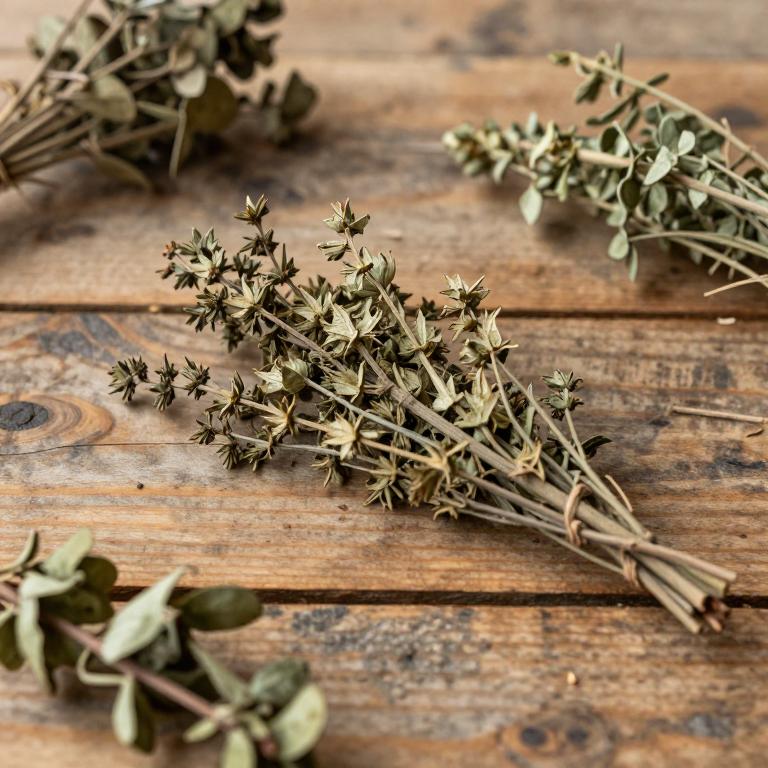
- Synonyms
- Cephaelis Tetrandra · Cephaelis Evea · 2 more
- Common names
- Not available
- Family
- Rubiaceae
- Distribution
- Not available
- Plant Parts
- Not available
Classification
Synonyms
Faramea guianensis is a plant species recognized through several different botanical names in scientific literature. Due to various taxonomic classifications, it is frequently identified by the synonyms Cephaelis evea and Cephaelis tetrandra. Researchers may also encounter this same species listed under the name Evea guianensis in older records. Furthermore, the name Uragoga tetrandra serves as another valid synonym for this particular plant. Understanding these overlapping relationships is essential for accurate botanical identification and study.
Sources: The World Checklist of Vascular Plants (WCVP)
Taxonomy
Faramea guianensis is a distinctive organism belonging to the kingdom Plantae. Within this vast kingdom, the plant is classified under the class Equisetopsida. It further falls into the order Gentianales, a group known for its diverse botanical characteristics. As a member of the genus Faramea, it showcases specific morphological traits unique to its lineage. Ultimately, this species is identified as a prominent representative of the Rubiaceae family.
| Rank | Classification |
|---|---|
| Kingdom | Plantae |
| Phylum | Streptophyta |
| Class | Equisetopsida |
| Subclass | Magnoliidae |
| Order | Gentianales |
| Family | Rubiaceae |
| Genus | Faramea |
Sources: The World Checklist of Vascular Plants (WCVP)
Distribution
Geographic Regions
Faramea guianensis is a notable plant species with a widespread presence across much of South America. Its natural distribution encompasses significant portions of Brazil, including the northern regions of the country. Beyond Brazil, the species thrives throughout Northern South America, establishing itself in diverse habitats. Specifically, it can be found flourishing within the borders of French Guiana and Suriname. This broad geographical range highlights the plant's adaptability to the varying environments of the South American continent.
Sources: The World Checklist of Vascular Plants (WCVP)
Identification
Morphology
Faramea guianensis is a self-supporting plant characterized by its robust growth form as a tree. This structural stability allows it to stand firmly within its natural habitat.
Sources: Global Inventory of Floras and Traits (GIFT)