Euryops pinifolius
Euryops pinifolius · Accepted scientific name
Scientific literature: Very Sparse (0 studies) · ★☆☆☆☆
Euryops pinifolius is a distinctive shrub known for its unique needle-like foliage and resilient growth patterns. In recent biochemical studies, researchers have focused on the therapeutic potential of its chemical constituents. This investigation specifically utilized a methanolic (MeOH) extract to isolate the plant's bioactive secondary metabolites. The extracted compounds were subsequently subjected to rigorous testing under specific urease conditions to evaluate their inhibitory capabilities. Such analyses aim to uncover the medicinal properties of this species for potential pharmacological applications.
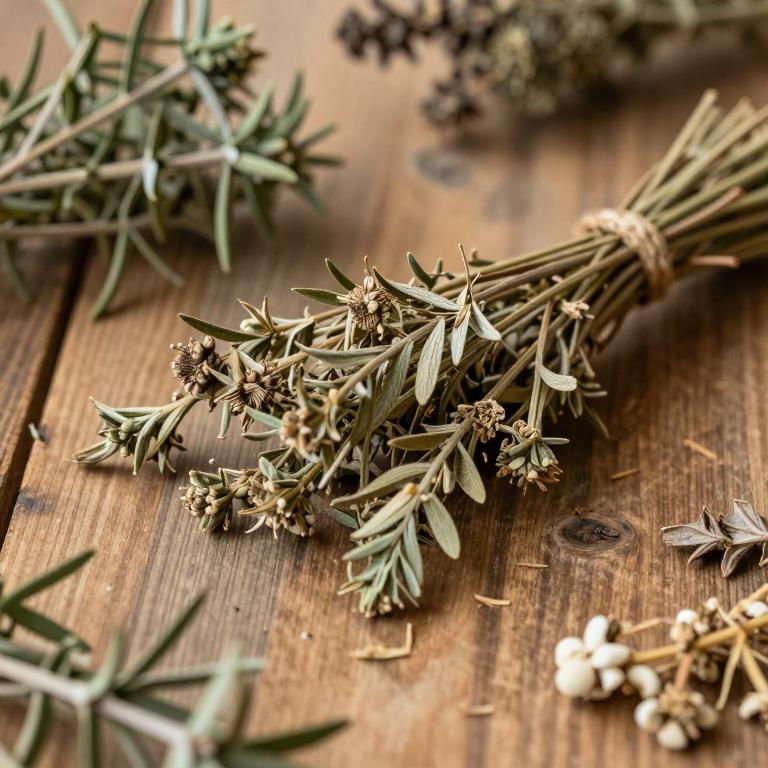
- Synonyms
- Jacobaeastrum Pinifolium
- Common names
- Not available
- Family
- Asteraceae
- Distribution
- Not available
- Plant Parts
- Not available
Classification
Synonyms
Euryops pinifolius is a distinctive shrub often recognized for its unique needle-like foliage. In botanical literature, you may encounter this species referred to by its synonym, Jacobaeastrum pinifolium. While these names may appear different, they both describe the same resilient plant. Understanding these taxonomic variations is essential for gardeners and researchers looking to identify the species accurately. Recognizing both terms ensures that you can find reliable information regardless of which scientific name is being utilized.
Sources: The World Checklist of Vascular Plants (WCVP)
Taxonomy
Euryops pinifolius is a distinct botanical specimen belonging to the kingdom Plantae. Within this vast kingdom, it is specifically classified under the class Equisetopsida. The plant is further organized into the order Asterales, showcasing its evolutionary connections. It holds a place within the diverse family Asteraceae, characterized by its unique floral traits. Finally, this species is identified by its specific genus, Euryops.
| Rank | Classification |
|---|---|
| Kingdom | Plantae |
| Phylum | Streptophyta |
| Class | Equisetopsida |
| Subclass | Magnoliidae |
| Order | Asterales |
| Family | Asteraceae |
| Genus | Euryops |
Sources: The World Checklist of Vascular Plants (WCVP)
Distribution
Geographic Regions
Euryops pinifolius exhibits a fascinating geographic range that spans across two distinct continents. In Africa, this resilient plant is commonly found throughout Northeast Tropical Africa, including the highlands of Ethiopia. Its presence extends further into the Asia-Temperate region, where it thrives within the unique climates of the Arabian Peninsula. Specifically, the species has established itself within the arid landscapes of Saudi Arabia. This broad distribution highlights the plant's remarkable ability to adapt to diverse environmental conditions.
Sources: The World Checklist of Vascular Plants (WCVP)
Identification
Morphology
Euryops pinifolius is characterized by its distinct growth form as a herbaceous plant.
Sources: Global Inventory of Floras and Traits (GIFT)
Biological Activities
Compounds
Conditions
Euryops pinifolius demonstrates significant medicinal potential through its diverse biological activities. The plant's extracts exhibit effective antioxidant activities by scavenging free radicals. Research indicates that it also possesses the ability to treat carbonic anhydrase CA-II through enzyme inhibition. Additionally, the species shows promise in treating urease activity. Finally, Euryops pinifolius has been identified as an agent that treats α-glucosidase, offering potential for antidiabetic applications.
Preparations
Euryops pinifolius was prepared as a methanolic (MeOH) extract for use in this specific medicinal study. This extraction method allowed researchers to evaluate the plant's potential against various enzymes and free radicals. The study specifically examined the methanolic extract of Euryops pinifolius for its $\alpha$-glucosidase, urease, and antioxidant activities. By utilizing this MeOH preparation, the researchers could compare its efficacy against standard substances like acarbose. This particular preparation method was essential for exploring the plant's bioactive potential in a controlled scientific setting.