Euploca fruticosa
Euploca fruticosa · Accepted scientific name
Scientific literature: Very Sparse (1 studies) · ★☆☆☆☆
Euploca fruticosa is a resilient shrub known for its distinctive foliage and ability to thrive in various environmental conditions. Beyond its aesthetic appeal, this plant has garnered significant interest within the scientific community due to its unique chemical properties. Research indicates that the plant possesses notable antimicrobial activities that can combat various pathogens. These biological characteristics suggest that its extracts may hold great potential for developing new medicinal treatments. Understanding the therapeutic potential of Euploca fruticosa remains a key focus for researchers exploring natural bioactive compounds.
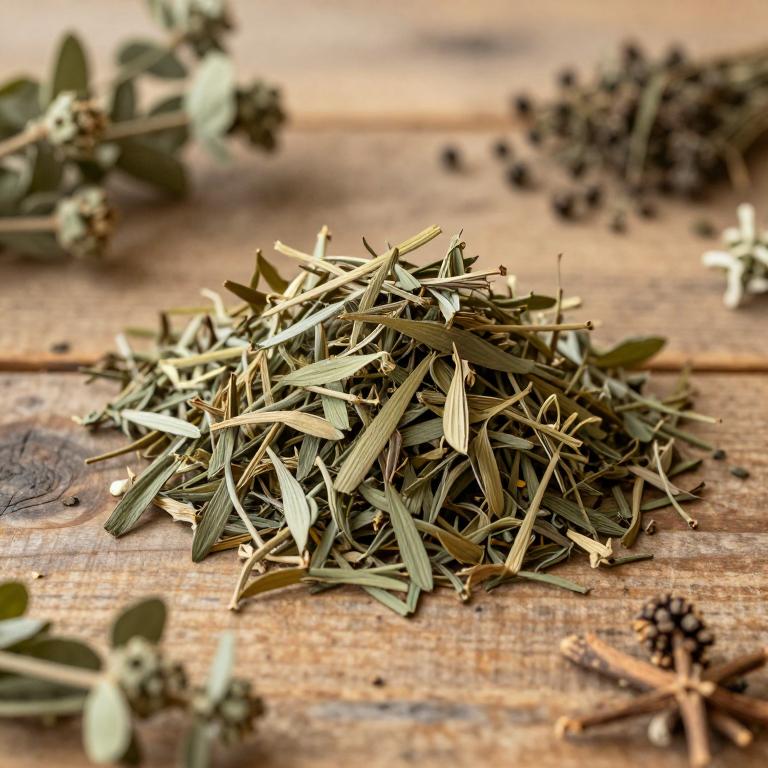
- Synonyms
- Schleidenia Dasycarpa · Heliotropium Assurgens · 6 more
- Common names
- Not available
- Family
- Not available
- Distribution
- Not available
- Plant Parts
- Not available
Classification
Common Names
Euploca fruticosa is a versatile plant recognized by several distinct regional and descriptive names. It is widely known by the common name Duraznillo, reflecting its unique botanical characteristics. In certain areas, enthusiasts may also refer to it as the Key West heliotrope. Other local traditions identify the species as cola de mono, adding to its linguistic diversity. Finally, it is sometimes called nemsax, illustrating the many ways this plant is identified across different cultures.
Sources: Catalogue of Life (COL)
Synonyms
Euploca fruticosa is a complex botanical subject characterized by a wide array of taxonomic synonyms. Within scientific literature, this species is frequently identified by the name Heliotropium assurgens. It is also commonly referred to as Heliotropium campechianum or Heliotropium fruticosum depending on the classification system used. Furthermore, researchers may encounter it listed under the names Heliotropium humile or Heliotropium myosotoides. Understanding these various nomenclature relationships is essential for accurate identification and study.
Sources: The World Checklist of Vascular Plants (WCVP)
Distribution
Geographic Regions
Euploca fruticosa is a resilient species found throughout various regions of North America and Mexico. Its presence is widespread, stretching across the central landscapes of Mexico to reach the Gulf coast. The plant also thrives in the northeast and southeast territories, demonstrating significant adaptability to different environments. Furthermore, its distribution extends into the northwest regions, ensuring a broad ecological footprint. This varied range highlights the plant's ability to flourish across diverse Mexican climates.
Sources: The World Checklist of Vascular Plants (WCVP)
Identification
Morphology
Euploca fruticosa is characterized by its distinct growth form as a herbaceous plant. This species is naturally self-supporting, allowing it to maintain its structure without external assistance.
Sources: Global Inventory of Floras and Traits (GIFT)
Biological Activities
Euploca fruticosa is a species that has been investigated for its potential biological properties within the context of Cuban flora. Research into the antimicrobial activity of various plant extracts, including aqueous, alcoholic, and ketonic forms, seeks to identify species with clinical relevance. While the study evaluated several families such as Rutaceae and Portulacaceae, it focused on their effectiveness against bacteria of human interest. Although other plants like Heliotropium campechianum and Portulaca oleracea showed significant results, the evaluation of Euploca fruticosa remains a key part of this botanical screening. This ongoing scientific pursuit aims to expand our understanding of how these diverse species can serve medicinal purposes.