Euphorbia turczaninowii
Euphorbia turczaninowii · Accepted scientific name
Scientific literature: Very Sparse (0 studies) · ★☆☆☆☆
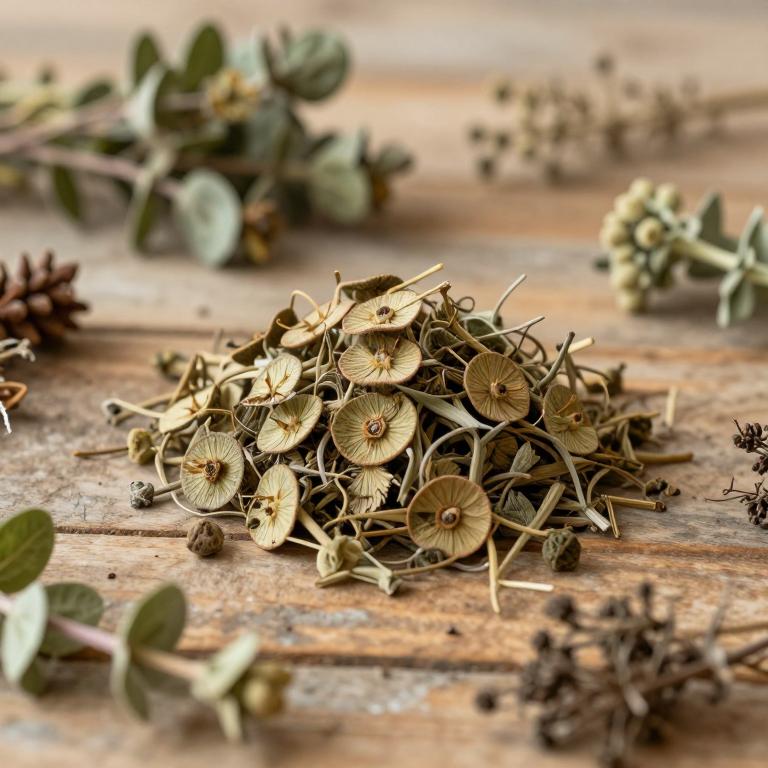
Euphorbia turczaninowii is a specialized plant species often studied for its unique biochemical properties and medicinal potential. Researchers frequently utilize the whole herb to investigate its complex chemical composition and therapeutic effects. One of the most common methods for processing this plant is through the creation of a concentrated ethanol extract. This specific preparation allows for the isolation of bioactive compounds that may hold significant pharmacological value. Understanding these extraction methods is essential for unlocking the full biological capabilities of this botanical specimen.
- Synonyms
- Euphorbia Carnosa · Tithymalus Turczaninowii
- Common names
- Not available
- Family
- Euphorbiaceae
- Distribution
- Southern America
- Plant Parts
- Not available
Classification
Common Names
Euphorbia turczaninowii is a distinct botanical species often recognized by its unique physical characteristics. In its native or local contexts, this plant is widely known by the common name Молочай Турчанинова. This linguistic connection highlights the cultural and regional importance assigned to the specimen. Understanding these various names is essential for botanists and gardeners looking to identify the plant accurately. By linking its scientific classification to its common moniker, one gains a deeper appreciation for its place in the natural world.
Sources: Catalogue of Life (COL)
Synonyms
Euphorbia turczaninowii is a plant species that is frequently identified by multiple botanical names. In various scientific contexts, it is recognized by its synonym, Euphorbia carnosa. Researchers may also encounter this same plant documented under the name Tithymalus turczaninowii. These overlapping classifications highlight the complex taxonomic history often found within the Euphorbia genus. Understanding these synonymous relationships is essential for accurate plant identification and study.
Sources: The World Checklist of Vascular Plants (WCVP)
Taxonomy
Euphorbia turczaninowii is a distinct member of the kingdom Plantae. Within this vast biological realm, it is classified under the class Equisetopsida. Its taxonomic journey continues through the order Malpighiales, showcasing its evolutionary connections. The plant belongs to the expansive family Euphorbiaceae, which is known for its diverse characteristics. Ultimately, it finds its specific place within the well-known genus Euphorbia.
| Rank | Classification |
|---|---|
| Kingdom | Plantae |
| Phylum | Streptophyta |
| Class | Equisetopsida |
| Subclass | Magnoliidae |
| Order | Malpighiales |
| Family | Euphorbiaceae |
| Genus | Euphorbia |
Sources: The World Checklist of Vascular Plants (WCVP)
Distribution
Geographic Regions
Euphorbia turczaninowii is a notable species primarily distributed throughout the Asia-Temperate region. Its presence is particularly concentrated within the diverse landscapes of Central Asia. This plant can be found spanning several specific countries, including Kazakhstan and Kyrgyzstan. Additionally, its natural range extends into the territories of Tajikistan and Turkmenistan. The species also thrives within the borders of Uzbekistan, completing its regional distribution.
Sources: The World Checklist of Vascular Plants (WCVP)
Identification
Morphology
Euphorbia turczaninowii is a diminutive herb characterized by its self-supporting growth form. This small plant typically maintains a modest stature, reaching a maximum height of only 0.13 meters. Depending on environmental conditions, its height can vary, sometimes measuring as little as 0.04 meters. Such compact proportions make it a subtle yet distinct addition to its natural habitat.
Sources: Global Inventory of Floras and Traits (GIFT)
Biological Activities
Compounds
Conditions
Preparations
Euphorbia turczaninowii is prepared as an ethanol extract to facilitate chemical analysis. This specific extraction process utilizes the whole herb of the plant to isolate various compounds. Researchers successfully identified five new jatrophane diterpenoid esters and one known ester from this preparation. The structural characteristics of these isolated substances were confirmed through extensive spectroscopic methods. These findings were derived specifically from the ethanol extract obtained from the entire plant specimen.