Euphorbia oxyphylla
Euphorbia oxyphylla · Accepted scientific name
Scientific literature: Very Sparse (13 studies) · ★☆☆☆☆
Scientifically known as Euphorbia oxyphylla, is a specialized succulent species valued for its unique botanical properties. Primarily found in arid regions, this plant possesses distinct morphological features and bioactive compounds. It is increasingly studied for its potential medicinal applications, offering promising insights into traditional herbal remedies and modern pharmacology.
- Family
- Not available
- Native range
- Europe
- Parts used
- Not available
- Common names
- Not available
- Scientific synonyms
- Not available
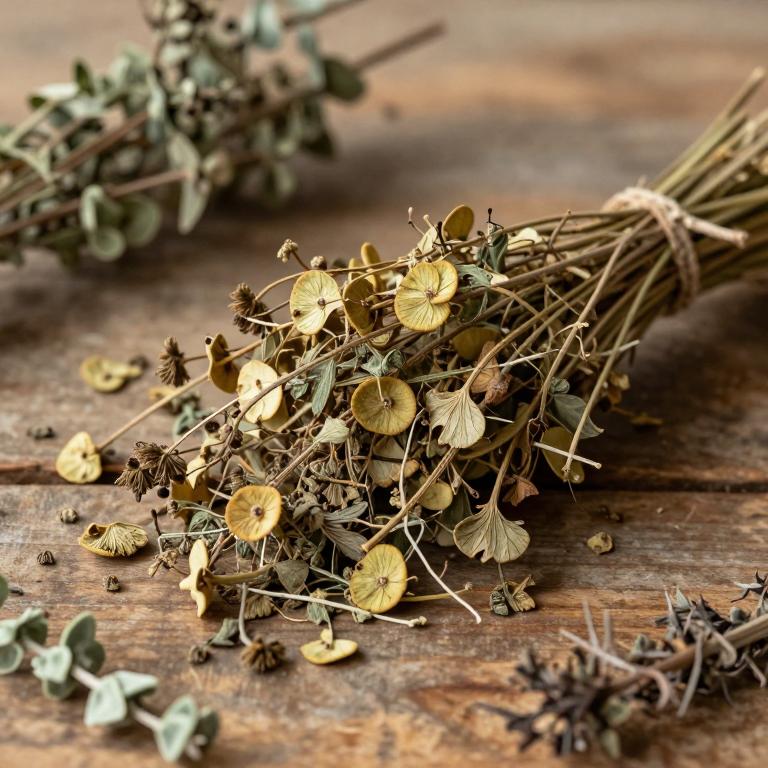
Names and Synonyms
Scientific Names
Accepted name
Euphorbia oxyphyllaDistribution
This plant is primarily located within the specific regions of Southwestern Europe. Its native range is restricted to the Iberian Peninsula, where it thrives in certain environmental conditions. Specifically, the species can be found growing naturally throughout the country of Portugal. Additionally, its geographical presence extends across the borders into Spain. Therefore, its distribution is highly localized to these two neighboring Mediterranean nations.
| Region | Area |
|---|---|
| Southwestern Europe | Portugal |
| Southwestern Europe | Spain |
Sources: The World Checklist of Vascular Plants (WCVP)
Botanical Identification
Life history
The life history of Euphorbia oxyphylla is characterized by its status as a perennial plant, allowing it to persist through multiple growing seasons. In terms of its growth habit and structural organization, the species is classified as a hemicryptophyte, a life form where the perennating buds are located at or just below the soil surface, protected by leaf litter or organic matter. This specific ecological strategy enables the plant to survive unfavorable environmental conditions while maintaining the ability to regenerate and flourish during more favorable periods.
- Life form :
- hemicryptophyte
- Lifecycle :
- perennial
Morphology
The morphology of Euphorbia oxyphylla is characterized by its distinct growth habit and ecological positioning. As a climbing organism, it functions as a self-supporting climber, utilizing its structural development to ascend within its habitat. It is an independent organism rather than a parasite, meaning it does not rely on a host for nutrients or water to complete its life cycle. Furthermore, while some species in similar niches may occupy elevated positions, this plant is terrestrial in nature rather than being an epiphyte, maintaining its primary establishment within the soil of its natural environment.
- Climber :
- self-supporting
- Epiphyte :
- terrestrial
- Parasite :
- independent
Sources: Global Inventory of Floras and Traits (GIFT)
Chemicals
Euphorbia oxyphylla has 1 reported phytochemicals identified across 0 scientific publications and several other databases. The most consistently reported chemicals include Betulin.
| Chemical | Supporting sources | Consensus |
|---|---|---|
| Betulin | 1 supporting sources | ★☆☆☆☆ |
Betulin
- Dr. Duke
Activities
Euphorbia oxyphylla has 12 reported activities identified across 0 scientific publications and several other databases. The most consistently reported activities include AntiHIV, Anticarcinomic, Antifeedant, Antiflu, Antiinflammatory.
| Activity | Supporting sources | Consensus |
|---|---|---|
| AntiHIV | 1 supporting sources | ★☆☆☆☆ |
| Anticarcinomic | 1 supporting sources | ★☆☆☆☆ |
| Antifeedant | 1 supporting sources | ★☆☆☆☆ |
| Antiflu | 1 supporting sources | ★☆☆☆☆ |
| Antiinflammatory | 1 supporting sources | ★☆☆☆☆ |
| Antitumor | 1 supporting sources | ★☆☆☆☆ |
| Antiviral | 1 supporting sources | ★☆☆☆☆ |
| Aphidifuge | 1 supporting sources | ★☆☆☆☆ |
| Cytotoxic | 1 supporting sources | ★☆☆☆☆ |
| Hypolipemic | 1 supporting sources | ★☆☆☆☆ |
AntiHIV
- Dr. Duke
Anticarcinomic
- Dr. Duke
Antifeedant
- Dr. Duke
Antiflu
- Dr. Duke
Antiinflammatory
- Dr. Duke
Antitumor
- Dr. Duke
Antiviral
- Dr. Duke
Aphidifuge
- Dr. Duke
Cytotoxic
- Dr. Duke
Hypolipemic
- Dr. Duke