Euphorbia obovata
Euphorbia obovata · Accepted scientific name
Scientific literature: Very Sparse (4 studies) · ★☆☆☆☆
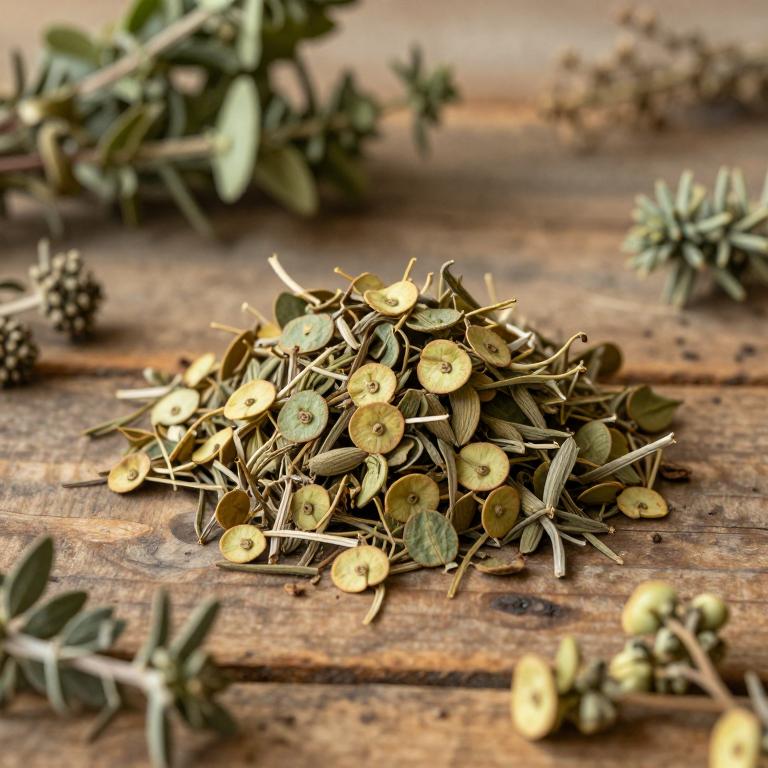
, scientifically known as Euphorbia obovata, is a resilient succulent native to arid regions. Characterized by its fleshy, obovate leaves and unique milky latex, this medicinal plant is traditionally valued in various cultures. It holds significant potential in ethnobotany, offering intriguing properties for pharmacological research and traditional healing practices.
- Family
- Euphorbiaceae
- Native range
- Asia-Temperate
- Parts used
- Root
- Common names
- Not available
- Scientific synonyms
- Not available
Names and Synonyms
Scientific Names
Accepted name
Euphorbia obovataSources: Wikidata, Catalogue of Life
Taxonomical Classification
This plant belongs to the kingdom Plantae within the phylum Streptophyta and the class Equisetopsida. It is further classified under the subclass Magnoliidae and the order Malpighiales. Finally, it is a member of the family Euphorbiaceae, falling under the genus Euphorbia.
| Rank | Classification |
|---|---|
| Kingdom | Plantae |
| Phylum | Streptophyta |
| Class | Equisetopsida |
| Subclass | Magnoliidae |
| Order | Malpighiales |
| Family | Euphorbiaceae |
| Genus | Euphorbia |
Sources: The World Checklist of Vascular Plants (WCVP)
Distribution
This plant exhibits a highly localized geographical distribution within the Middle East. It is specifically documented to occur in the Western Asia region. Within this territory, its presence is restricted to the Sinai Peninsula. This narrow range suggests that the species is adapted to the specific environmental conditions of this area. Consequently, the plant remains a specialized component of the Sinai landscape.
| Region | Area |
|---|---|
| Western Asia | Sinai |
Sources: The World Checklist of Vascular Plants (WCVP)
Plant Parts
Euphorbia obovata has 1 reported plant parts identified across 3 scientific publications and several other databases that are studied for medicinal purposes. The most consistently reported plant part include root.
| Plant part | Supporting sources | Consensus |
|---|---|---|
| Root | 3 supporting sources | ★★☆☆☆ |
Root
- Journal of natural products
- Journal of natural medicines
- Molecules (Basel, Switzerland)
Chemicals
Euphorbia obovata has 1 reported phytochemicals identified across 3 scientific publications and several other databases. The most consistently reported chemicals include Tumor Promoters.
| Chemical | Supporting sources | Consensus |
|---|---|---|
| Tumor Promoters | 1 supporting sources | ★☆☆☆☆ |
Tumor Promoters
- Journal of natural products
Preparations
Euphorbia obovata has 1 reported preparations identified across 3 scientific publications and several other databases. The most consistently reported preparations include roots.
| Preparation | Supporting sources | Consensus |
|---|---|---|
| Roots | 2 supporting sources | ★☆☆☆☆ |
Roots
- Journal of natural products
- Molecules (Basel, Switzerland)