Euphorbia monostyla
Euphorbia monostyla · Accepted scientific name
Scientific literature: Very Sparse (0 studies) · ★☆☆☆☆
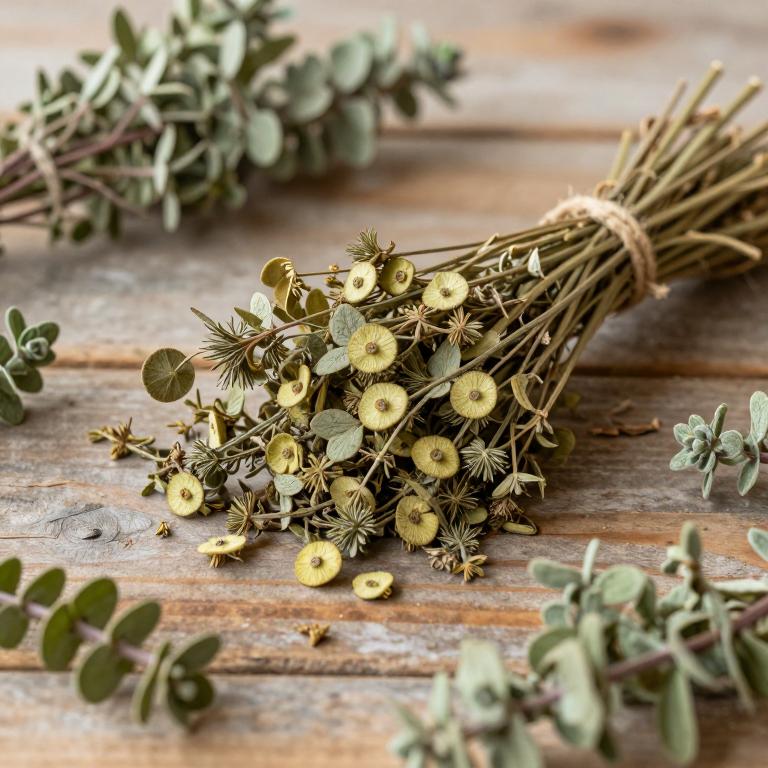
Euphorbia monostyla is a distinctive succulent species known for its unique structural characteristics and medicinal potential. This plant is primarily utilized in traditional preparations where the whole plant is employed to harness its various biological properties. Found in specific ecological niches, it plays a specialized role within its native botanical landscape. Researchers and herbalists often study its composition to better understand its therapeutic applications. Understanding the full utility of the whole plant remains essential for those exploring its diverse pharmacological possibilities.
- Synonyms
- Not available
- Common names
- Not available
- Family
- Euphorbiaceae
- Distribution
- Not available
- Plant Parts
- Not available
Classification
Common Names
Euphorbia monostyla is a distinct species known by its common Russian name, Молочай одностолбиковый. This plant belongs to the diverse Euphorbia genus, characterized by its unique structural adaptations and growth patterns. Identifying it by its local nomenclature helps botanists and enthusiasts connect the scientific classification with regional traditions. Understanding these linguistic relationships is essential for accurate documentation in various ecological studies. Such connections bridge the gap between formal botanical science and the practical knowledge held by local communities.
Sources: Catalogue of Life (COL)
Taxonomy
Euphorbia monostyla is a unique botanical specimen belonging to the kingdom Plantae. Within this vast kingdom, it is classified under the class Equisetopsida. The plant further falls into the order Malpighiales, showcasing its specific evolutionary lineage. It is a distinguished member of the family Euphorbiaceae, which is known for its diverse characteristics. Finally, it is categorized under the well-known genus Euphorbia.
| Rank | Classification |
|---|---|
| Kingdom | Plantae |
| Phylum | Streptophyta |
| Class | Equisetopsida |
| Subclass | Magnoliidae |
| Order | Malpighiales |
| Family | Euphorbiaceae |
| Genus | Euphorbia |
Sources: The World Checklist of Vascular Plants (WCVP)
Distribution
Geographic Regions
Euphorbia monostyla is a distinct species with a specialized geographic range across the Asian continent. It is primarily found within the Asia-Temperate region, spanning various ecological niches. Specifically, its distribution includes the rugged landscapes of Central Asia, particularly within Turkmenistan. The plant also extends its reach into Western Asia, making a notable presence in Iran. This specific distribution pattern highlights the plant's ability to thrive in these particular temperate environments.
Sources: The World Checklist of Vascular Plants (WCVP)
Identification
Morphology
Euphorbia monostyla is a self-supporting herb characterized by its compact and sturdy growth form. This plant typically reaches a modest height, ranging from a minimum of 0.2 m to a maximum of 0.5 m. Its structural simplicity allows it to thrive effectively within its natural environment. Such dimensions make it a subtle yet distinct feature of its local ecosystem.
Sources: Global Inventory of Floras and Traits (GIFT)
Biological Activities
Compounds
Conditions
Euphorbia monostyla contains various diterpenoids that were evaluated for their cytotoxic potential against several cancer cell lines. Research indicates that specific compounds from the plant, such as compound 4, demonstrate moderate cytotoxic activity against Hela cells. However, the study found that the isolated diterpenoids possessed no cytotoxicity against HCT8 cells. Similarly, these compounds did not exhibit any effective treatment properties against MCF7 cells. Consequently, the plant's therapeutic relationship is primarily observed in its interaction with Hela cells rather than HCT8 or MCF7.
Preparations
Euphorbia monostyla is prepared as the whole plant to facilitate the isolation of various chemical compounds. Researchers utilized the entire organism to extract five new tigliane and premyrsinane diterpenoids named euphomonophane A-E. These specific diterpenoids were identified through extensive spectroscopic analysis and structural elucidation. The study focused on the whole plant to evaluate the cytotoxic potential of these isolated substances against several cancer cell lines. Ultimately, the preparation of the whole plant allowed for the discovery of compound 4, which showed moderate activity against Hela cells.