Euphorbia lateriflora
Euphorbia lateriflora · Accepted scientific name
Scientific literature: Very Sparse (0 studies) · ★☆☆☆☆
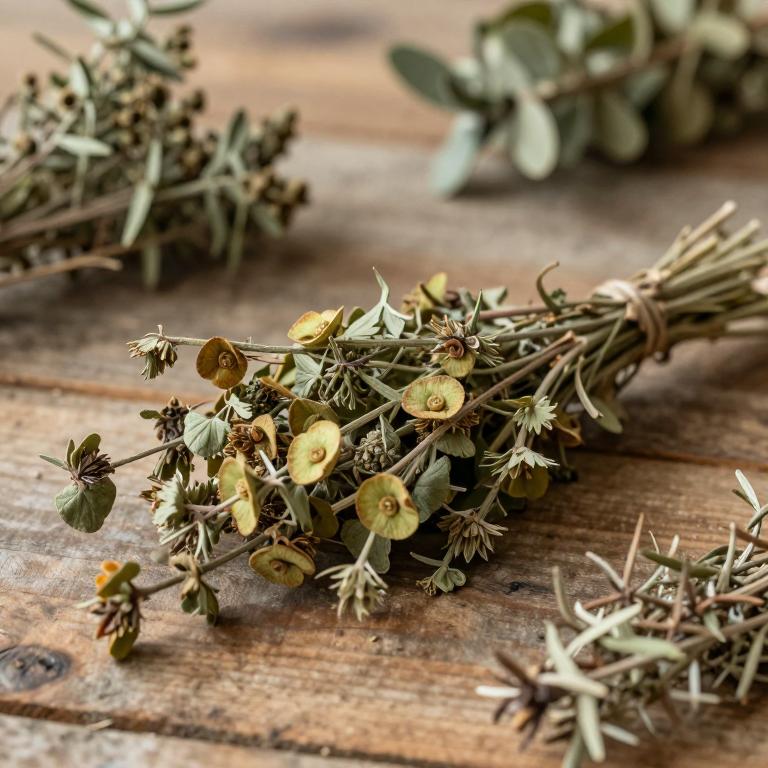
Euphorbia lateriflora is a distinctive botanical species known for its unique structural characteristics. This study focuses specifically on the morphological examination of the plant's leaf. By collecting various leaf samples, researchers can better understand the physiological traits of the species. These preparations serve as the primary material for detailed anatomical analysis. Ultimately, studying these leaves provides essential insights into the biological makeup of Euphorbia lateriflora.
- Synonyms
- Euphorbia Togoensis · Tirucalia Lateriflora
- Common names
- Not available
- Family
- Euphorbiaceae
- Distribution
- Southern America
- Plant Parts
- Leaf
Classification
Synonyms
Euphorbia lateriflora is a botanical species that is often identified through various taxonomic classifications. Within scientific literature, it is frequently recognized by its synonym, Euphorbia togoensis. Researchers may also encounter this plant listed under the name Tirucalia lateriflora depending on the specific botanical database being used. These shifting nomenclature patterns reflect the complex history of plant categorization and evolutionary study. Understanding these various synonyms is essential for anyone seeking to accurately identify this particular plant in the field.
Sources: The World Checklist of Vascular Plants (WCVP)
Taxonomy
Euphorbia lateriflora is a distinctive member of the kingdom Plantae that belongs to the class Equisetopsida. Within this broad biological classification, the species is categorized under the order Malpighiales. It finds its specific place within the diverse genus Euphorbia, showcasing the complex variety found in the natural world. Furthermore, this plant is a representative of the family Euphorbiaceae, which is known for its unique botanical characteristics. Understanding these taxonomic relationships provides essential insight into the evolutionary history of this specific plant.
| Rank | Classification |
|---|---|
| Kingdom | Plantae |
| Phylum | Streptophyta |
| Class | Equisetopsida |
| Subclass | Magnoliidae |
| Order | Malpighiales |
| Family | Euphorbiaceae |
| Genus | Euphorbia |
Sources: The World Checklist of Vascular Plants (WCVP)
Distribution
Geographic Regions
Euphorbia lateriflora is a plant species with a documented presence across several regions within West Tropical Africa. Its natural distribution encompasses a variety of nations, including Benin and Ghana. The species can also be found throughout the territories of Guinea and Nigeria. Furthermore, its range extends into the coastal landscapes of Sierra Leone. This widespread occurrence highlights the plant's adaptability to the diverse environments found within this part of the continent.
Sources: The World Checklist of Vascular Plants (WCVP)
Identification
Morphology
Euphorbia lateriflora exhibits a distinct shrub-like growth form that adds structure to its natural habitat. As a self-supporting plant, it maintains its upright posture without the need for external assistance.
Sources: Global Inventory of Floras and Traits (GIFT)
Biological Activities
Compounds
Conditions
Preparations
Euphorbia lateriflora is prepared as leaf samples to facilitate the investigation of its specific phyllosphere microbiota. These samples were analyzed using a polyphasic approach that combined metagenomic DNA analysis with microbial isolates. By utilizing these prepared leaf samples, researchers were able to estimate microbial abundance through qPCR using specific marker gene primers. The preparation of these samples allowed for the identification of distinct bacterial and fungal compositions within the plant. Ultimately, examining the leaf samples provided insights into the diverse microbial communities that inhabit this medicinal species.
Parts used
Euphorbia lateriflora serves as a significant subject in recent studies regarding the unique microbial communities found on plant surfaces. Researchers focused specifically on the leaf of this Nigerian medicinal plant to investigate its complex phyllosphere composition. Through a polyphasic approach, it was discovered that the leaf tissue is densely colonized by a diverse array of bacteria and fungi. These microbial inhabitants appear to be highly specific to the plant, potentially contributing to its overall medicinal properties. Ultimately, the study highlights how the leaf of Euphorbia lateriflora supports a unique ecosystem that may include entirely new microbial species.