Euphorbia hyssopifolia
Euphorbia hyssopifolia · Accepted scientific name
Scientific literature: Very Sparse (0 studies) · ★☆☆☆☆
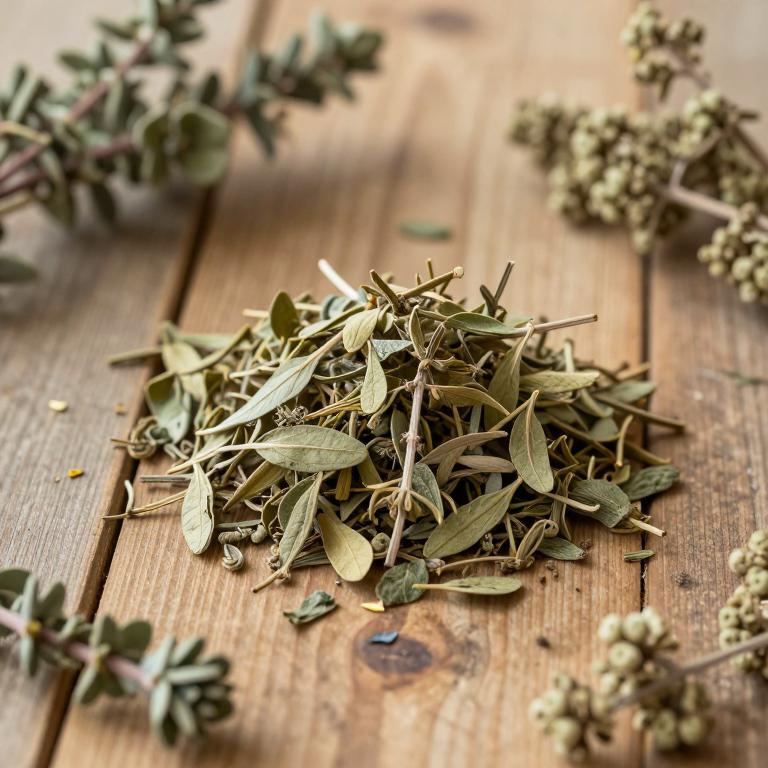
Euphorbia hyssopifolia is a delicate, perennial subshrub known for its fine-textured foliage and small, charming flowers. This plant thrives in various environments, often serving as an ornamental groundcover in many gardens. In certain traditional practices, the entire plant is utilized for its specific botanical properties. One common method of use involves the preparation of water extracts derived from the whole plant. Understanding its characteristics and potential uses is essential for anyone interested in this unique species.
- Synonyms
- Chamaesyce Nirurioides · Anisophyllum Hyssopifolium · 27 more
- Common names
- Not available
- Family
- Euphorbiaceae
- Distribution
- Southern America
- Plant Parts
- Not available
Classification
Common Names
Euphorbia hyssopifolia is a versatile plant known by several distinct regional names. In many botanical circles, it is commonly referred to as the Hyssopleaf sandmat. Depending on the local culture, it may also be called Maria-leite or Pica pollo. In certain areas, particularly within Cuba, it is identified as Yerba lechosa. Other regions simply recognize this species as Yerba lechera, highlighting its diverse linguistic identity.
Sources: Catalogue of Life (COL)
Synonyms
Euphorbia hyssopifolia is a botanical species that has been documented under several different scientific names throughout history. Taxonomic shifts have led to various synonyms, including the classifications of Anisophyllum hyssopifolium and Chamaesyce brasiliensis. The plant is also frequently associated with the names Chamaesyce hyssopifolia and Chamaesyce jenningsii in various herbarium records. Additionally, researchers have previously identified this specific plant as Chamaesyce jonesii. Understanding these diverse nomenclatures is essential for accurately identifying the species across different botanical studies.
Sources: The World Checklist of Vascular Plants (WCVP)
Taxonomy
Euphorbia hyssopifolia is a distinctive member of the kingdom Plantae. Within this vast biological realm, it is specifically classified under the class Equisetopsida. This plant belongs to the diverse order Malpighiales, showcasing its unique evolutionary path. It is further categorized into the family Euphorbiaceae, a group known for its varied characteristics. Finally, it holds its place within the well-established genus Euphorbia.
| Rank | Classification |
|---|---|
| Kingdom | Plantae |
| Phylum | Streptophyta |
| Class | Equisetopsida |
| Subclass | Magnoliidae |
| Order | Malpighiales |
| Family | Euphorbiaceae |
| Genus | Euphorbia |
Sources: The World Checklist of Vascular Plants (WCVP)
Distribution
Geographic Regions
Euphorbia hyssopifolia exhibits a broad and diverse geographical distribution spanning across the African continent and the Macaronesian islands. Its presence is notably felt in the Cape Verde archipelago, marking its reach into Atlantic island ecosystems. Within mainland Africa, the species is well-established throughout Northeast Tropical Africa, including regions such as Chad. The plant also thrives across West Tropical Africa, maintaining significant populations in countries like Benin, Burkina Faso, and Ghana. This widespread range highlights the remarkable adaptability of the species to various tropical environments.
Sources: The World Checklist of Vascular Plants (WCVP)
Identification
Morphology
Euphorbia hyssopifolia is a charming herbaceous plant that maintains a self-supporting growth form. This species typically reaches a modest height, generally ranging from a minimum of 0.15 meters to a maximum of 0.6 meters. Its compact stature makes it an ideal choice for various garden landscapes and container arrangements. Because it stands independently, it adds structure and delicate texture to any floral display.
Sources: Global Inventory of Floras and Traits (GIFT)
Biological Activities
Compounds
Conditions
Euphorbia hyssopifolia, identified in the study as Chamaesyce hyssopifolia, acts as a potent inhibitor of the HIV-reverse transcriptase enzyme. Research conducted on Panamanian medicinal plants demonstrates that the water extracts from the whole plant exhibit significant antiviral activity. Specifically, these extracts achieved inhibitory concentrations (IC50) ranging between 6 and 8 microg/ml against HIV-RT. This specific interaction highlights the plant's potential role in targeting essential viral enzymes. Consequently, the study emphasizes the effectiveness of this species in suppressing the reverse transcriptase function of the virus.
Preparations
Euphorbia hyssopifolia, also referred to in the research as Chamaesyce hyssopifolia, is prepared as water extracts of the whole plant. These aqueous preparations were specifically tested for their ability to inhibit HIV-related enzymes. The study found that these whole-plant water extracts act as potent inhibitors of HIV-reverse transcriptase. By using this specific preparation method, researchers were able to identify significant inhibitory effects within the cultured cells. This particular extraction process is a key component in evaluating the plant's medicinal properties against the virus.