Euphorbia fusiformis
Euphorbia fusiformis · Accepted scientific name
Scientific literature: Very Sparse (6 studies) · ★☆☆☆☆
Scientifically known as Euphorbia fusiformis, is a succulent plant native to South Africa, widely revered for its medicinal properties. Primarily used in traditional healing, it is renowned for treating skin ailments, inflammation, and respiratory issues. Its unique bioactive compounds offer significant therapeutic potential in modern pharmacological research and wellness.
- Family
- Euphorbiaceae
- Native range
- Asia-Tropical
- Parts used
- Not available
- Common names
- Not available
- Scientific synonyms
- Euphorbia Nana · Euphorbia Acaulis
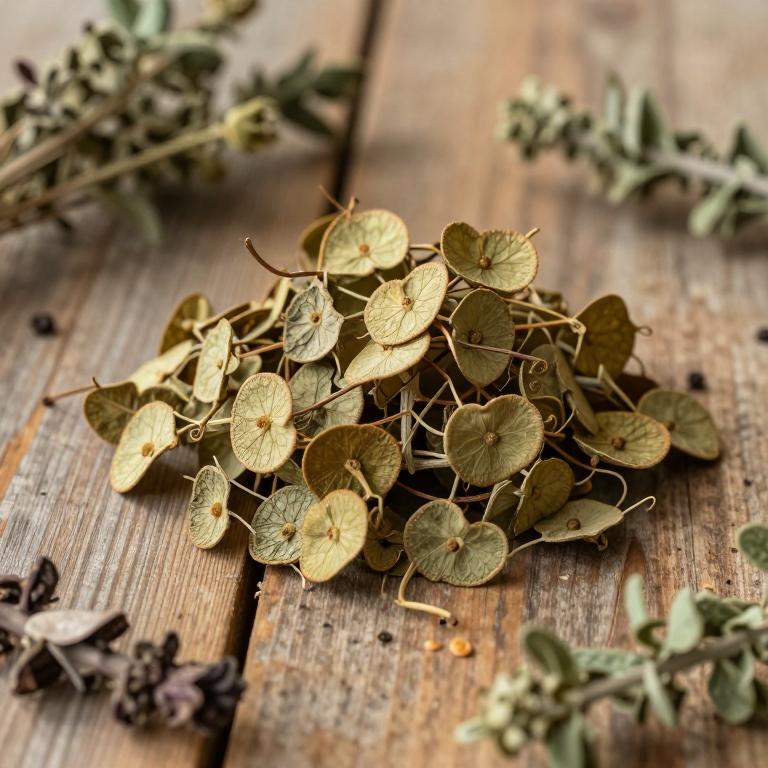
Names and Synonyms
Scientific Names
Accepted name
Euphorbia fusiformisSynonyms
- Euphorbia nana
- Euphorbia acaulis
Sources: Wikidata
Taxonomical Classification
This plant belongs to the kingdom Plantae and the phylum Streptophyta, falling under the class Equisetopsida and subclass Magnoliidae. Within the order Malpighiales, it is classified under the family Euphorbiaceae and the genus Euphorbia.
| Rank | Classification |
|---|---|
| Kingdom | Plantae |
| Phylum | Streptophyta |
| Class | Equisetopsida |
| Subclass | Magnoliidae |
| Order | Malpighiales |
| Family | Euphorbiaceae |
| Genus | Euphorbia |
Sources: The World Checklist of Vascular Plants (WCVP)
Distribution
This plant is primarily distributed across several regions within the Indian Subcontinent. Its presence is documented in the country of Bangladesh, where it grows in specific habitats. Additionally, the species can be found throughout various parts of India. It also extends its range into the mountainous landscapes of Nepal. Finally, the distribution includes the unique ecological zones of the West Himalaya.
| Region | Area |
|---|---|
| Indian Subcontinent | Bangladesh |
| Indian Subcontinent | India |
| Indian Subcontinent | Nepal |
| Indian Subcontinent | West Himalaya |
Sources: The World Checklist of Vascular Plants (WCVP)
Botanical Identification
Life history
The life history of Euphorbia fusiformis is characterized by its specialized survival strategies, functioning primarily as a geophyte and a cryptophyte. As a geophyte, the plant relies on underground storage organs to endure unfavorable environmental conditions, allowing it to persist through periods of dormancy. Its status as a cryptophyte further defines its growth pattern, as its regenerative buds are located below the soil surface or at the very base of the ground level, protecting the vital meristematic tissues from external stressors such as drought or grazing. This life history strategy enables the species to emerge and complete its reproductive cycle rapidly when seasonal conditions become favorable, utilizing stored energy reserves to drive its development.
- Life form :
- geophyte
- Life form :
- cryptophyte
Morphology
The morphology of Euphorbia fusiformis is characterized by its distinct growth habit and ecological positioning. It functions as a self-supporting climber, utilizing its structural integrity to ascend without requiring external hosts for physical stability. In terms of its nutritional strategy, the plant is entirely independent, functioning as a non-parasitic organism that does not rely on other living hosts for sustenance. Furthermore, it maintains a terrestrial life form, growing directly in the soil rather than occupying an epiphytic niche.
- Climber :
- self-supporting
- Epiphyte :
- terrestrial
- Parasite :
- independent
Sources: Global Inventory of Floras and Traits (GIFT)
Activities
Euphorbia fusiformis has 2 reported activities identified across 0 scientific publications and several other databases. The most consistently reported activities include Diuretic, Hepatoprotective.
| Activity | Supporting sources | Consensus |
|---|---|---|
| Diuretic | 1 supporting sources | ★☆☆☆☆ |
| Hepatoprotective | 1 supporting sources | ★☆☆☆☆ |
Diuretic
- Journal of ethnopharmacology
Hepatoprotective
- Journal of ethnopharmacology
Conditions
Euphorbia fusiformis has 2 reported investigations on conditions identified across 0 scientific publications and several other databases. The most consistently reported conditions include fever, wound infections.
| Condition | Supporting sources | Consensus |
|---|---|---|
| Fever | 1 supporting sources | ★☆☆☆☆ |
| Wound infections | 1 supporting sources | ★☆☆☆☆ |
Fever
- Journal of ethnopharmacology
Wound infections
- Journal of ethnopharmacology