Euphorbia arbuscula
Euphorbia arbuscula · Accepted scientific name
Scientific literature: Very Sparse (5 studies) · ★☆☆☆☆
, scientifically known as Euphorbia arbuscula, is a resilient succulent renowned for its diverse therapeutic potential. Traditionally utilized in various folk medicine practices, this plant contains unique bioactive compounds. Understanding its phytochemical properties is essential for exploring its medicinal applications, ranging from wound healing to managing inflammatory conditions effectively.
- Family
- Euphorbiaceae
- Native range
- Africa
- Parts used
- Stem
- Common names
- Not available
- Scientific synonyms
- Euphorbia Arbuscula Var. Montana · Tirucalia Arbuscula
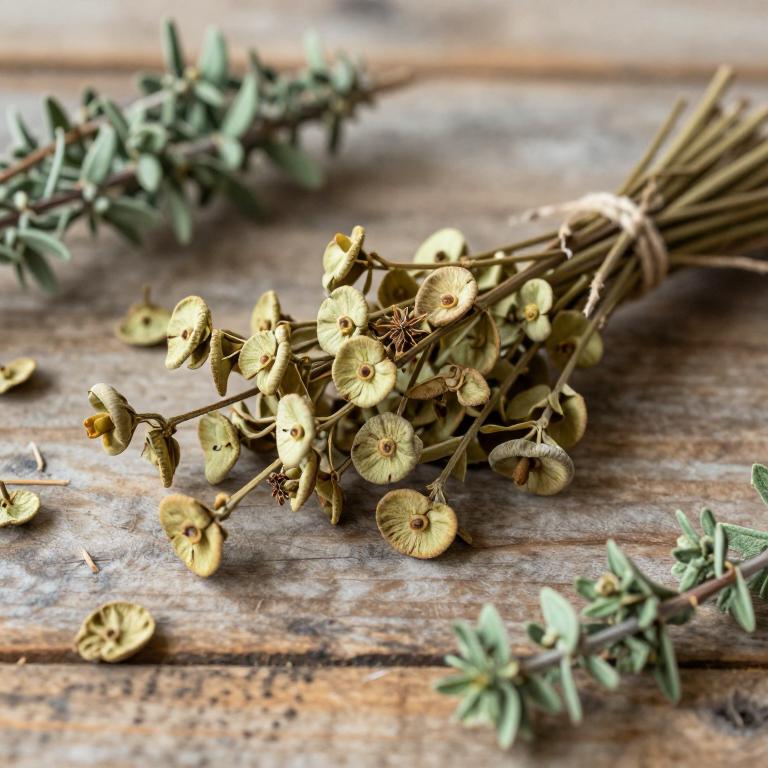
Names and Synonyms
Scientific Names
Accepted name
Euphorbia arbusculaSynonyms
- Euphorbia arbuscula var. montana
- Tirucalia arbuscula
Regional and Traditional Names
Spanish:
- Tirucallia arbuscula
Sources: Wikidata, Catalogue of Life
Taxonomical Classification
This plant belongs to the kingdom Plantae and is classified under the phylum Streptophyta and the class Equisetopsida. Within the subclass Magnoliidae, it falls under the order Malpighiales and the family Euphorbiaceae. Finally, it is categorized under the genus Euphorbia.
| Rank | Classification |
|---|---|
| Kingdom | Plantae |
| Phylum | Streptophyta |
| Class | Equisetopsida |
| Subclass | Magnoliidae |
| Order | Malpighiales |
| Family | Euphorbiaceae |
| Genus | Euphorbia |
Sources: The World Checklist of Vascular Plants (WCVP)
Distribution
This plant, Euphorbia arborea, possesses a highly restricted and specialized geographical distribution. Its presence is uniquely tied to the specific ecological conditions found in Northeast Tropical Africa. Specifically, this species is endemic to the island of Socotra. This isolated archipelago provides the distinct environment necessary for the plant to thrive. Consequently, its natural range is limited to this singular, fascinating location.
| Region | Area |
|---|---|
| Northeast Tropical Africa | Socotra |
Sources: The World Checklist of Vascular Plants (WCVP)
Botanical Identification
Life history
The life history of Euphorbia arbuscula is characterized by its structural development as a perennial woody plant, primarily classified under the life form of phanerophyte, which allows it to maintain its photosynthetic organs well above the ground level. Depending on the specific environmental conditions and the maturity of the individual specimen, its growth habit can also be described through the lens of nanophanerophyte characteristics, particularly when the woody structure is relatively stunted or low-growing compared to larger phanerophytes. This plant follows a developmental trajectory that prioritizes the establishment of robust, often succulent, woody stems to survive its specific ecological niche, transitioning through various stages of vegetative expansion and seasonal reproductive cycles. As a phanerophyte, its survival strategy relies on its ability to protect its buds during unfavorable periods, ensuring long-term persistence in its habitat.
- Life form :
- nanophanerophyte
- Life form :
- phanerophyte
Morphology
The morphology of Euphorbia arborea (often referred to in taxonomic contexts related to Euphorbia shrubs) is characterized by a robust, woody structure, as it possesses a woody growth habit. Unlike climbing species, it is not a climber; it is a self-supporting plant that maintains its structural integrity without the need for external support. It does not exhibit parasitic behavior, functioning as an independent organism rather than an obligatory or facultative parasite. Furthermore, it is a terrestrial plant, growing directly in the soil rather than existing as an epiphyte.
- Climber :
- self-supporting
- Epiphyte :
- terrestrial
- Parasite :
- independent
- Woodiness :
- woody
Sources: Global Inventory of Floras and Traits (GIFT)
Plant Parts
Euphorbia arbuscula has 1 reported plant parts identified across 1 scientific publications and several other databases that are studied for medicinal purposes. The most consistently reported plant part include stem.
| Plant part | Supporting sources | Consensus |
|---|---|---|
| Stem | 1 supporting sources | ★☆☆☆☆ |
Stem
- Advances in pharmacological and pharmaceutical sciences
Chemicals
Euphorbia arbuscula has 2 reported phytochemicals identified across 1 scientific publications and several other databases. The most consistently reported chemicals include Lupeol, lanosterol.
| Chemical | Supporting sources | Consensus |
|---|---|---|
| Lupeol | 1 supporting sources | ★☆☆☆☆ |
| lanosterol | 1 supporting sources | ★☆☆☆☆ |
Lupeol
- Advances in pharmacological and pharmaceutical sciences
lanosterol
- Advances in pharmacological and pharmaceutical sciences
Activities
Euphorbia arbuscula has 2 reported activities identified across 1 scientific publications and several other databases. The most consistently reported activities include Antibacterial, Antioxidant.
| Activity | Supporting sources | Consensus |
|---|---|---|
| Antibacterial | 1 supporting sources | ★☆☆☆☆ |
| Antioxidant | 1 supporting sources | ★☆☆☆☆ |
Antibacterial
- Advances in pharmacological and pharmaceutical sciences
Antioxidant
- Advances in pharmacological and pharmaceutical sciences
Preparations
Euphorbia arbuscula has 4 reported preparations identified across 1 scientific publications and several other databases. The most consistently reported preparations include chloroform extract, ethyl acetate extract, stem latex, stem latex extracts.
| Preparation | Supporting sources | Consensus |
|---|---|---|
| Chloroform extract | 1 supporting sources | ★☆☆☆☆ |
| Ethyl acetate extract | 1 supporting sources | ★☆☆☆☆ |
| Stem latex | 1 supporting sources | ★☆☆☆☆ |
| Stem latex extracts | 1 supporting sources | ★☆☆☆☆ |
Chloroform extract
- Advances in pharmacological and pharmaceutical sciences
Ethyl acetate extract
- Advances in pharmacological and pharmaceutical sciences
Stem latex
- Advances in pharmacological and pharmaceutical sciences
Stem latex extracts
- Advances in pharmacological and pharmaceutical sciences