Euonymus indicus
Euonymus indicus · Accepted scientific name
Scientific literature: Very Sparse (1 studies) · ★☆☆☆☆
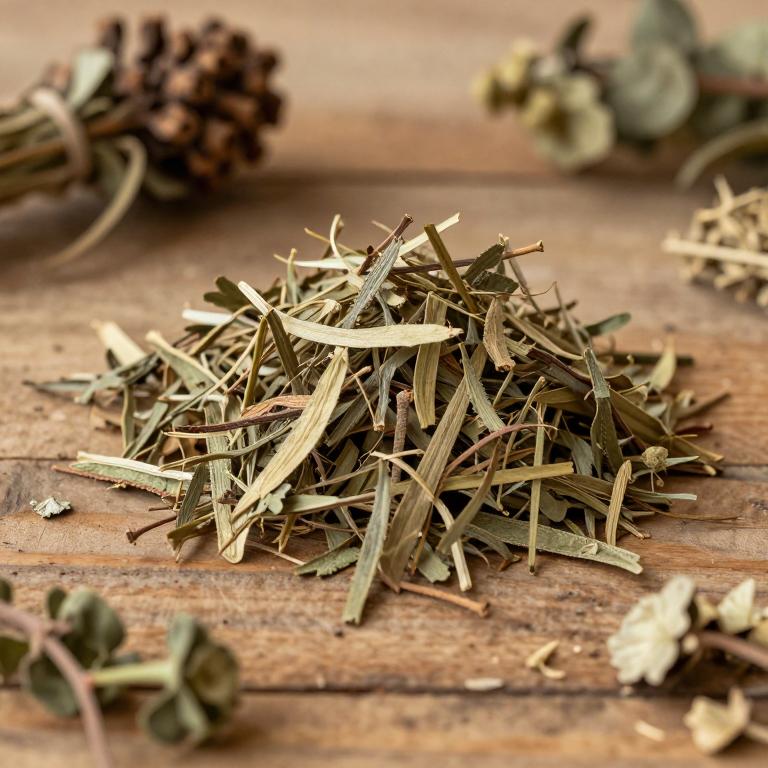
Euonymus indicus is a medicinal plant that has gained significant attention for its diverse pharmacological potential. The leaves of this species are particularly valued for their ability to exhibit potent antidiabetic activities. Scientific investigations reveal that the plant contains a rich profile of bioactive chemicals, including cardenolides, flavonoids, lignans, and steroids. These compounds offer therapeutic benefits in managing complex conditions such as hyperglycemia, cancer, and rheumatoid arthritis. Furthermore, the plant shows promise in addressing various diabetic complications, making it a subject of great interest in herbal medicine.
- Synonyms
- Euonymus Sphaerocarpus · Euonymus Micropetalus · 13 more
- Common names
- Not available
- Family
- Celastraceae
- Distribution
- Not available
- Plant Parts
- Leaf
Classification
Synonyms
Euonymus indicus is a taxonomically complex species that is frequently referred to by various alternative names in botanical literature. Throughout different studies, it has been identified by several synonyms, including Euonymus bancanus and Euonymus coriaceus. The plant is also known to researchers under the names Euonymus elmeri and Euonymus goughii. Furthermore, the classification of this species encompasses the synonym Euonymus horsfieldii. Understanding these diverse nomenclatural relationships is essential for accurate botanical identification and study.
Sources: The World Checklist of Vascular Plants (WCVP)
Taxonomy
Euonymus indicus belongs to the vast kingdom Plantae, representing a diverse group of multicellular organisms. Within this kingdom, the species is classified under the class Equisetopsida. It further falls into the order Celastrales, which helps define its evolutionary lineage. This plant is a member of the Celastraceae family, a group known for its specific botanical characteristics. Ultimately, it is identified by its placement within the genus Euonymus.
| Rank | Classification |
|---|---|
| Kingdom | Plantae |
| Phylum | Streptophyta |
| Class | Equisetopsida |
| Subclass | Magnoliidae |
| Order | Celastrales |
| Family | Celastraceae |
| Genus | Euonymus |
Sources: The World Checklist of Vascular Plants (WCVP)
Distribution
Geographic Regions
Euonymus indicus is a versatile species widely distributed throughout the tropical regions of Asia. Its presence is strongly established across the Indian Subcontinent, spanning specifically through India and Bangladesh. The plant also extends its reach into the Indo-China region, finding suitable habitats in countries such as Cambodia and Laos. Furthermore, its range encompasses the unique ecosystems of the Andaman Islands. This broad geographic footprint highlights the plant's ability to thrive in diverse tropical environments across the continent.
Sources: The World Checklist of Vascular Plants (WCVP)
Identification
Morphology
Euonymus indicus is a self-supporting plant that takes on a distinct tree-like growth form. It possesses a sturdy structure capable of reaching a maximum height of 23 meters. This impressive stature makes it a prominent feature in its natural environment.
Sources: Global Inventory of Floras and Traits (GIFT)
Biological Activities
Euonymus indicus has been identified as a plant species possessing significant antidiabetic activity. This medicinal potential is shared by its relative, Euonymus alatus, which is widely utilized in various Asian countries to manage hyperglycemia and diabetic complications. Research indicates that the antidiabetic effects of these plants are driven by a diverse range of chemical constituents, such as flavonoids, terpenoids, and alkaloids. Specifically, these bioactive compounds appear to regulate insulin signaling and sensitivity through complex metabolic pathways. Consequently, studying these species offers a promising foundation for developing new pharmacological agents to treat diabetes.
Compounds
Euonymus indicus is a plant species characterized by a diverse array of bioactive chemical constituents. Detailed phytochemical analysis reveals that this species contains various important compounds, including flavonoids and lignans. Additionally, the plant is known to harbor steroids and terpenoids within its biological structure. Further examination also confirms the presence of cardenolides, contributing to its complex chemical profile. These diverse secondary metabolites highlight the rich phytochemical makeup inherent to Euonymus indicus.
Conditions
Euonymus indicus serves as an effective medicinal agent for treating diabetes and managing hyperglycemia. This plant also demonstrates the ability to treat MMP-9 through significant inhibitory activity. Furthermore, it plays a role in treating blood lipid levels by helping to depress them. Finally, the plant is noted for being calcium abundant.
Preparations
Parts used
Euonymus indicus is a plant species that possesses various morphological features, including the leaf as a key component. While research often focuses on related species like Euonymus alatus, the botanical study of these plants frequently examines their specific parts for medicinal value. In the case of E. alatus, the methanolic extract from its leaves and twigs has demonstrated significant inhibitory activity against nitric oxide production. Scientists have successfully isolated numerous compounds, such as phenolics and flavonoids, from these leafy structures to explore their anti-inflammatory potential. Understanding the relationship between a plant's leaves and its chemical constituents is essential for discovering new therapeutic compounds.