Eulophia ochreata
Eulophia ochreata · Accepted scientific name
Scientific literature: Very Sparse (0 studies) · ★☆☆☆☆
Eulophia ochreata is a distinctive species of orchid known for its unique botanical characteristics and specialized chemical profile. This plant is notable for containing the specific compound 9,10-dihydro-2,5-dimethoxyphenanthrene-1,7-diol within its biological makeup. Such chemical constituents often play vital roles in the plant's ecological interactions and evolutionary adaptations. Researchers study these organic molecules to better understand the complex metabolic pathways inherent to the genus. Consequently, this orchid serves as an important subject for both botanical studies and phytochemical exploration.
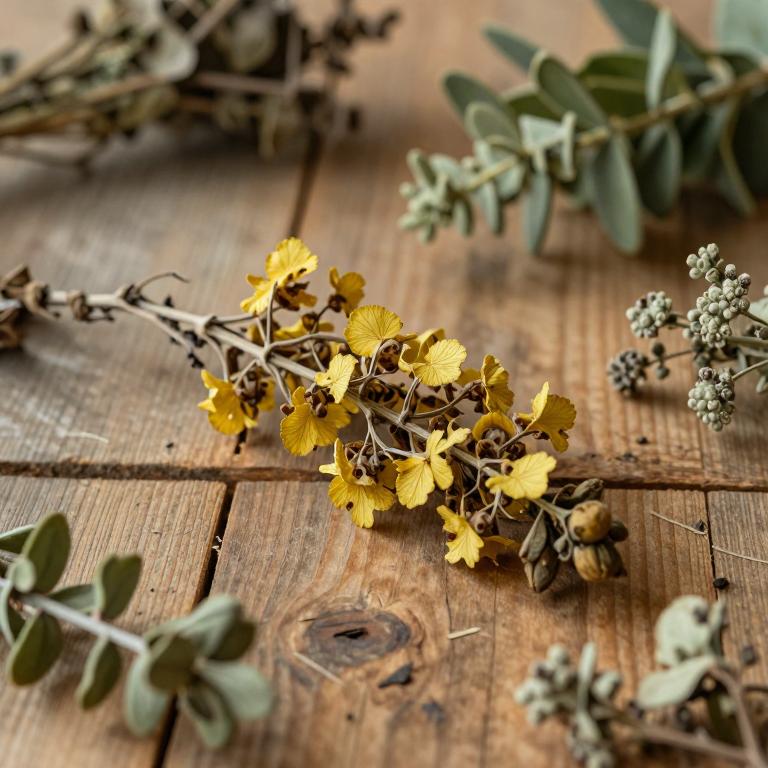
- Synonyms
- Graphorkis Ochreata
- Common names
- Not available
- Family
- Orchidaceae
- Distribution
- Not available
- Plant Parts
- Not available
Classification
Synonyms
Eulophia ochreata is a distinctive species within the orchid family that is often recognized by botanists under different names. Due to historical taxonomic revisions, this plant is also formally known by its synonym, Graphorkis ochreata. Understanding these nomenclature shifts is essential for researchers tracking the plant's distribution and evolutionary history. While the names may change in scientific literature, they both refer to the same unique biological entity. Consequently, staying aware of these shifting classifications ensures accuracy when studying its specific ecological niche.
Sources: The World Checklist of Vascular Plants (WCVP)
Taxonomy
Eulophia ochreata is a fascinating member of the kingdom Plantae that showcases the diverse beauty of the natural world. Belonging to the class Equisetopsida, this plant is defined by its specialized evolutionary lineage. It is categorized under the order Asparagales, placing it within a broad group of monocotyledonous plants. More specifically, it falls under the family Orchidaceae, which highlights its unique floral characteristics. Within this family, it is identified as part of the genus Eulophia, marking its distinct botanical identity.
| Rank | Classification |
|---|---|
| Kingdom | Plantae |
| Phylum | Streptophyta |
| Class | Equisetopsida |
| Subclass | Magnoliidae |
| Order | Asparagales |
| Family | Orchidaceae |
| Genus | Eulophia |
Sources: The World Checklist of Vascular Plants (WCVP)
Distribution
Geographic Regions
Eulophia ochreata is a specialized orchid species with a distinct presence across various parts of the Asian-Tropical region. Its natural range extends through the Indian Subcontinent, where it plays a unique role in local ecosystems. Specifically, the plant can be found flourishing within the diverse landscapes of Assam. Furthermore, its distribution covers significant portions of India, highlighting its regional importance. Understanding these specific geographic connections provides valuable insight into the habitat requirements of this remarkable plant.
Sources: The World Checklist of Vascular Plants (WCVP)
Identification
Morphology
Eulophia ochreata is a self-supporting plant that grows independently without the need for external structures for stability.
Sources: Global Inventory of Floras and Traits (GIFT)
Biological Activities
Compounds
Conditions
Eulophia ochreata contains the phenanthrene RSCL-0520, which effectively treats inflammatory signalling mediated by Toll-like receptors. This plant extract specifically targets and treats responses induced by lipopolysaccharide (LPS) in various models. In vivo testing demonstrates that Eulophia ochreata treats LPS-induced TNF-alpha release in mice. Furthermore, the plant shows significant efficacy as it treats carrageenan-induced paw oedema in rats. These findings highlight the compound's ability to inhibit NF-kappaB-activated inflammatory genes through both MyD88-dependent and -independent cascades.