Eucommia
Eucommia · Accepted scientific name
Scientific literature: Very Sparse (0 studies) · ★☆☆☆☆
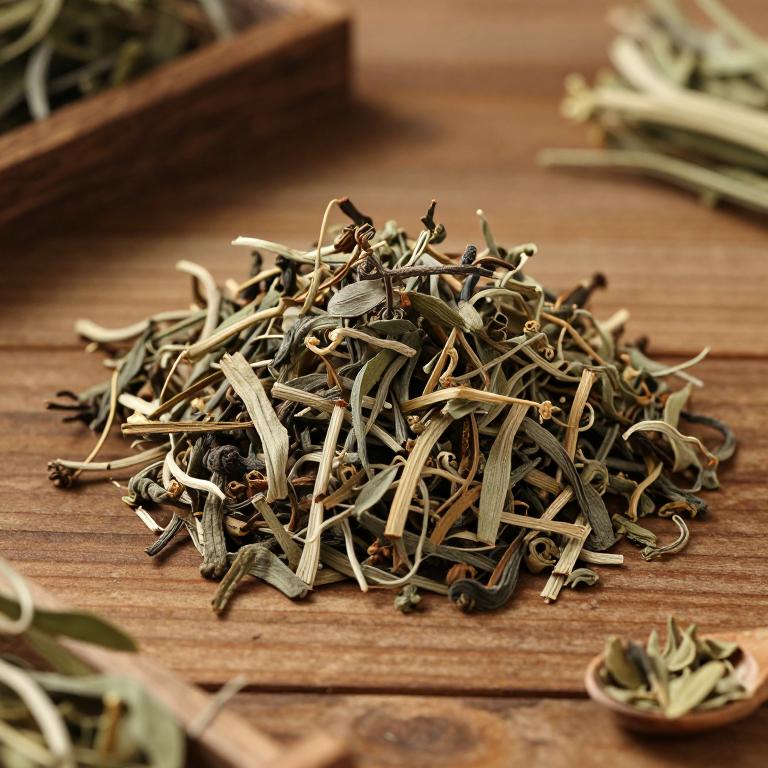
Eucommia is a remarkable plant species widely recognized for its unique medicinal properties and structural versatility. The most significant part of this plant used for therapeutic purposes is the cortex, which undergoes careful preparation for various uses. Within its chemical composition, the plant provides essential elements such as calcium, phosphorus, and potassium. These components contribute to the overall nutritional and biological value of the species. Understanding the relationship between its chemical makeup and the prepared bark is key to appreciating its importance.
- Synonyms
- Not available
- Common names
- Not available
- Family
- Eucommiaceae
- Distribution
- Not available
- Plant Parts
- Not available
Classification
Common Names
Eucommia is a versatile plant known by several distinct names across different regions and languages. It is frequently referred to by the common names eukomia or eukómia in various botanical contexts. In certain areas, locals may identify the species as gumojilm or rohtoparkkipuut. Furthermore, it is recognized in Spanish-speaking communities as Árbol de la gutapercha. Understanding these diverse naming conventions helps researchers and enthusiasts identify this unique plant regardless of their location.
Sources: Catalogue of Life (COL)
Taxonomy
Eucommia belongs to the vast kingdom Plantae, representing a unique lineage within the natural world. This plant is classified under the class Equisetopsida and falls within the specific order Garryales. Its taxonomic journey continues through the family Eucommiaceae, which highlights its distinct biological characteristics. Ultimately, it is defined by its specific genus, Eucommia, distinguishing it from other related species. Understanding these hierarchical relationships provides essential insight into the plant's evolutionary history.
| Rank | Classification |
|---|---|
| Kingdom | Plantae |
| Phylum | Streptophyta |
| Class | Equisetopsida |
| Subclass | Magnoliidae |
| Order | Garryales |
| Family | Eucommiaceae |
| Genus | Eucommia |
Sources: The World Checklist of Vascular Plants (WCVP)
Distribution
Geographic Regions
Eucommia is a distinctive plant with a broad geographical footprint spanning across several major regions. It is widely distributed throughout the temperate zones of Asia, with a significant presence throughout various parts of China, including the north-central, south-central, and southeast territories. Beyond mainland China, the species also thrives within the eastern Asian landscape, particularly across Korea. Interestingly, its range extends even further west into Europe, where it can be found in southeastern regions such as Bulgaria. This diverse distribution highlights the plant's ability to adapt to various temperate environments across two continents.
Sources: The World Checklist of Vascular Plants (WCVP)
Identification
Biological Activities
Compounds
Conditions
Eucommia serves as an effective model for studying tissue regeneration following large-scale girdling. Because this plant forms new bark within only one month, it allows researchers to observe regenerated tissues at various stages with high temporal resolution. The process involves specific stages such as callus formation, xylem cell dedifferentiation, and the appearance of sieve elements. Unlike smaller wounds, large-scale girdling in this species triggers the development of new vascular tissue from differentiating xylem cells rather than from the callus. These unique regenerative characteristics make Eucommia an ideal tool for investigating the complexities of plant vascular development.
Preparations
Eucommia is prepared as cortex according to the research findings on "treating skin with skin" therapy. This specific medicinal material appears within a cluster alongside Mori cortex and Meliae cortex. The study utilizes data mining to identify these plant skin-derived materials and their specific medicinal forms. Through cluster analysis, the preparation of Eucommia cortex is categorized as a component of effective therapeutic groupings. This relationship is part of a broader investigation into the prescription patterns and pharmacological mechanisms used to treat skin diseases.