Eucomis
Eucomis · Accepted scientific name
Scientific literature: Very Sparse (6 studies) · ★☆☆☆☆
Eucomis, commonly known as the pineapple lily, is a versatile genus recognized for its significant medicinal potential. Research has highlighted its diverse pharmacological activities, including antifungal, antimicrobial, antiplasmodial, and antitumor properties. These biological effects make the plant a subject of interest for addressing various complex health challenges. Historically, its extracts have been utilized in the management of conditions such as rheumatism and venereal diseases. Understanding these therapeutic applications provides valuable insight into the plant's role in traditional and modern medicine.
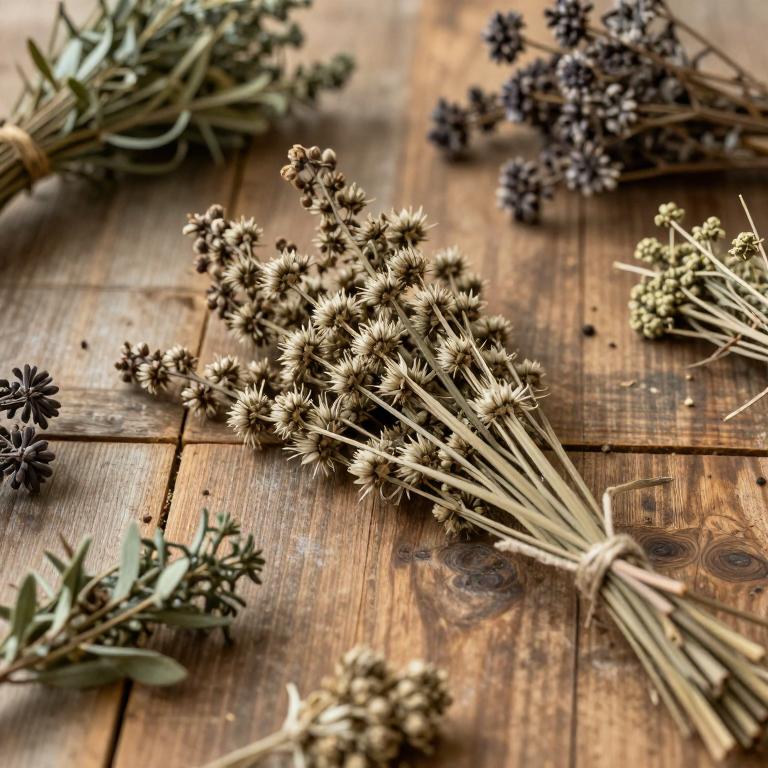
- Synonyms
- Basilaea · Eucomea
- Common names
- Not available
- Family
- Asparagaceae
- Distribution
- Northern America
- Plant Parts
- Not available
Classification
Common Names
Eucomis is a fascinating genus of plants that is most widely recognized by its charming common name, the Pineapple Lily. Depending on the region and language, these striking flowers may also be referred to as Pineapple lilies or the descriptive Wildepynappels. In certain botanical circles, they are identified by the name Tofsliljesläktet to distinguish their unique characteristics. Some enthusiasts even use the name chocholatice when discussing these distinctive specimens. Regardless of the name used, the plant remains a standout feature in any tropical garden collection.
Sources: Catalogue of Life (COL)
Synonyms
Eucomis is a unique genus of flowering plants that has historically been subject to various taxonomic classifications. In botanical literature, you may frequently encounter the plant referred to by the synonym Basilaea. Similarly, the name Eucomea has been used in the past to describe members of this group. These different names reflect the evolving scientific understanding of the plant's evolutionary lineage. Understanding these synonyms is essential for researchers seeking to navigate the complex history of its nomenclature.
Sources: The World Checklist of Vascular Plants (WCVP)
Taxonomy
Eucomis belongs to the vast kingdom Plantae, representing a diverse group of living organisms. Within this kingdom, it is classified under the class Equisetopsida, marking it as a true vascular plant. It further falls into the order Asparagales, a significant grouping of monocots. This lineage continues down to the family Asparagaceae, which defines its structural characteristics. Ultimately, the plant is identified by its specific genus, Eucomis.
| Rank | Classification |
|---|---|
| Kingdom | Plantae |
| Phylum | Streptophyta |
| Class | Equisetopsida |
| Subclass | Magnoliidae |
| Order | Asparagales |
| Family | Asparagaceae |
| Genus | Eucomis |
Sources: The World Checklist of Vascular Plants (WCVP)
Distribution
Geographic Regions
Eucomis is a striking genus primarily distributed throughout the diverse landscapes of Africa. Its natural range extends across much of South Tropical Africa, where it thrives in varied ecosystems. Specifically, these plants can be found flourishing in the regions of Malawi, Mozambique, and Zambia. The distribution further reaches into Zimbabwe, adding to the botanical richness of the area. Additionally, Eucomis maintains a presence in Southern Africa, particularly within the borders of Botswana.
Sources: The World Checklist of Vascular Plants (WCVP)
Identification
Biological Activities
Eucomis is a genus of plants endemic to southern Africa that possesses a diverse range of significant pharmacological properties. Scientific screening has demonstrated that these plants exhibit potent antimicrobial and antiplasmodial activities. Furthermore, the genus shows promising antitumor and cytotoxic effects, highlighting its potential in medical research. Beyond human health, the antifungal activity found in Eucomis offers a valuable resource for the agricultural sector as a possible biocontrol agent. These multifaceted biological activities underscore the immense therapeutic and industrial importance of the genus.
Compounds
Conditions
Eucomis plays a significant role in African traditional medicine due to its various therapeutic applications. The genus is widely utilized to treat various respiratory ailments and venereal diseases. Additionally, these plants are employed as a remedy for rheumatism. They are also used specifically to address kidney and bladder infections. This diverse range of medicinal uses highlights the profound pharmacological importance of the genus.