Eucalyptus siderophloia
Eucalyptus siderophloia · Accepted scientific name
Scientific literature: Very Extensive (225 studies) · ★★★★★
, scientifically known as Eucalyptus siderophloia, is a resilient Australian shrub prized for its medicinal properties. Often referred to as the Silver-leaved Mallee, its aromatic foliage contains essential oils frequently used in traditional remedies to alleviate respiratory congestion, reduce inflammation, and provide soothing relief from various seasonal ailments.
- Family
- Not available
- Native range
- Africa
- Parts used
- Not available
- Common names
- Not available
- Scientific synonyms
- Not available
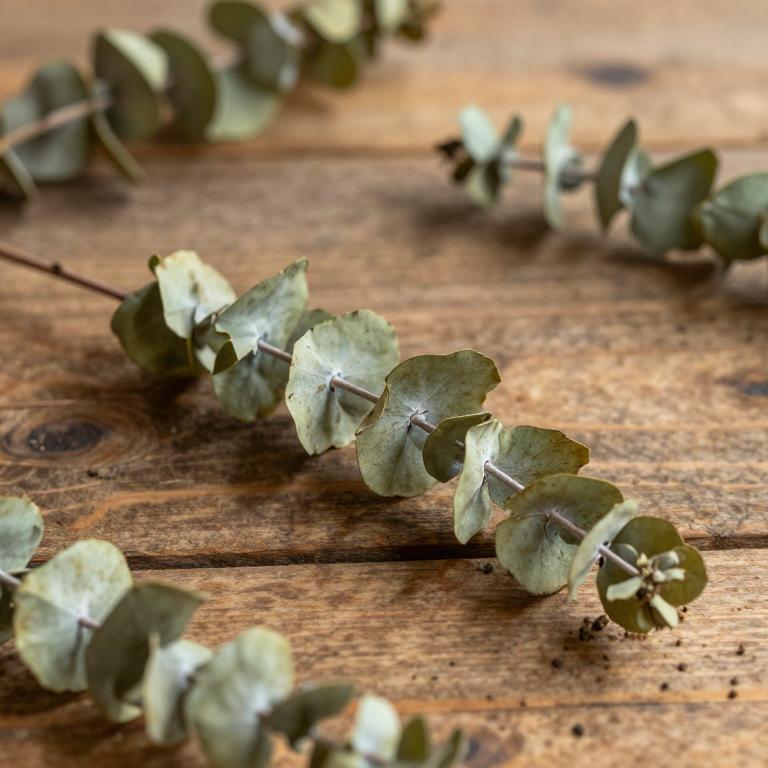
Names and Synonyms
Scientific Names
Accepted name
Eucalyptus siderophloiaDistribution
This plant exhibits a wide geographical distribution spanning two different continents. In East Tropical Africa, it can be found growing within the borders of Kenya. Its presence is also documented in the neighboring country of Uganda. Moving to the Southern Hemisphere, the species is native to Australia. Within Australia, its range extends through the states of New South Wales and Queensland.
| Region | Area |
|---|---|
| East Tropical Africa | Kenya |
| East Tropical Africa | Uganda |
| Australia | New South Wales |
| Australia | Queensland |
Sources: The World Checklist of Vascular Plants (WCVP)
Botanical Identification
Life history
The life history of Eucalyptus siderophloia is characterized by its classification as a phanerophyte, a life form that ensures its perennial survival by maintaining its buds well above the soil surface, protected from seasonal environmental stressors. Within this botanical framework, it exhibits a dual developmental strategy, functioning both as a phanerophyte and a nanophanerophyte, which allows the species to maintain structural dominance through woody growth while also possessing the capacity for smaller, more compact architectural forms depending on environmental availability and site conditions. This life history pattern supports its resilience in varied habitats, utilizing its elevated bud positions to endure fluctuations in temperature and moisture, ensuring consistent reproductive potential over its long-lived perennial cycle.
- Life form :
- phanerophyte
Morphology
The morphology of Eucalyptus siderophloia is characterized by its growth form as a sturdy, woody tree that reaches a maximum height of approximately 45 meters. As a self-supporting organism, it does not exhibit climbing behavior and functions as an independent plant, neither acting as a parasite nor an epiphyte, maintaining a strictly terrestrial existence. Its structural development is defined by a permanent woody composition, providing the necessary stability for its significant vertical stature within its natural habitat.
- Aquatic :
- terrestrial
- Climber :
- self-supporting
- Epiphyte :
- terrestrial
- Growth form :
- tree
- Parasite :
- independent
- Plant height max:
- 45 m
- Woodiness :
- woody
Physiology
The physiology of Eucalyptus siderophloia is characterized by a metabolic framework defined by a C3 photosynthetic pathway, which dictates how the plant captures carbon dioxide and manages energy conversion. Under this C3 mechanism, the initial fixation of atmospheric CO2 occurs via the enzyme RuBisCO within the mesophyll cells, leading to the formation of a three-carbon compound. This pathway influences the plant's transpiration rates and water-use efficiency, as the stomatal conductance must be finely balanced to allow for gas exchange while minimizing moisture loss in its native environments. The metabolic processes associated with this C3 cycle drive the synthesis of carbohydrates, providing the essential chemical energy required for the plant's structural development, secondary metabolite production, and overall physiological resilience.
- Photosynthetic pathway :
- C3
Reproduction
The reproduction of Eucalyptus siderophloia is characterized by the production of seeds that exhibit specific morphological dimensions essential to its life cycle. The seed mass within this species demonstrates significant variability, with a recorded minimum mass of 0.00036 g and a maximum mass of 0.0015 g. Across observed samples, the seed mass maintains a mean value of 0.001083333 g, reflecting the biological parameters governing its reproductive output and potential dispersal mechanisms.
- Seed mass max:
- 0.0015 g
- Seed mass mean:
- 0.001083333 g
- Seed mass min:
- 0.00036 g
Sources: Global Inventory of Floras and Traits (GIFT)
Chemicals
Eucalyptus siderophloia has 39 reported phytochemicals identified across 0 scientific publications and several other databases. The most consistently reported chemicals include 1,8-Cineole, ALPHA-PHELLANDRENE, ALPHA-PINENE, ALPHA-TERPINYL ACETATE, ALPHA-THUJENE.
| Chemical | Supporting sources | Consensus |
|---|---|---|
| 1,8-Cineole | 1 supporting sources | ★☆☆☆☆ |
| ALPHA-PHELLANDRENE | 1 supporting sources | ★☆☆☆☆ |
| ALPHA-PINENE | 1 supporting sources | ★☆☆☆☆ |
| ALPHA-TERPINYL ACETATE | 1 supporting sources | ★☆☆☆☆ |
| ALPHA-THUJENE | 1 supporting sources | ★☆☆☆☆ |
| Allo-Aromadendrene | 1 supporting sources | ★☆☆☆☆ |
| Alpha terpinene | 1 supporting sources | ★☆☆☆☆ |
| Aromadendrene | 1 supporting sources | ★☆☆☆☆ |
| BETA-CARYOPHYLLENE | 1 supporting sources | ★☆☆☆☆ |
| BETA-ELEMENE | 1 supporting sources | ★☆☆☆☆ |
1,8-Cineole
- Dr. Duke
ALPHA-PHELLANDRENE
- Dr. Duke
ALPHA-PINENE
- Dr. Duke
ALPHA-TERPINYL ACETATE
- Dr. Duke
ALPHA-THUJENE
- Dr. Duke
Allo-Aromadendrene
- Dr. Duke
Alpha terpinene
- Dr. Duke
Aromadendrene
- Dr. Duke
BETA-CARYOPHYLLENE
- Dr. Duke
BETA-ELEMENE
- Dr. Duke
Activities
Eucalyptus siderophloia has 186 reported activities identified across 0 scientific publications and several other databases. The most consistently reported activities include (-)-Chronotropic, (-)-Inotropic, ACE-Inhibitor, AChE-Inhibitor, Acaricide.
| Activity | Supporting sources | Consensus |
|---|---|---|
| (-)-Chronotropic | 1 supporting sources | ★☆☆☆☆ |
| (-)-Inotropic | 1 supporting sources | ★☆☆☆☆ |
| ACE-Inhibitor | 1 supporting sources | ★☆☆☆☆ |
| AChE-Inhibitor | 1 supporting sources | ★☆☆☆☆ |
| Acaricide | 1 supporting sources | ★☆☆☆☆ |
| Aldose-Reductase-Inhibitor | 1 supporting sources | ★☆☆☆☆ |
| Allelochemic | 1 supporting sources | ★☆☆☆☆ |
| Allelopathic | 1 supporting sources | ★☆☆☆☆ |
| Allergenic | 1 supporting sources | ★☆☆☆☆ |
| Analgesic | 1 supporting sources | ★☆☆☆☆ |
(-)-Chronotropic
- Dr. Duke
(-)-Inotropic
- Dr. Duke
ACE-Inhibitor
- Dr. Duke
AChE-Inhibitor
- Dr. Duke
Acaricide
- Dr. Duke
Aldose-Reductase-Inhibitor
- Dr. Duke
Allelochemic
- Dr. Duke
Allelopathic
- Dr. Duke
Allergenic
- Dr. Duke
Analgesic
- Dr. Duke