Eucalyptus porosa
Eucalyptus porosa · Accepted scientific name
Scientific literature: Very Extensive (249 studies) · ★★★★★
Scientifically known as Eucalyptus porosa, is a resilient Australian native renowned for its therapeutic potential. Often found in diverse landscapes, this species contains essential oils valued in traditional medicine. It is primarily utilized for its antimicrobial and anti-inflammatory properties, offering natural relief for respiratory ailments and skin irritations.
- Family
- Not available
- Native range
- Australasia
- Parts used
- Not available
- Common names
- Not available
- Scientific synonyms
- Not available
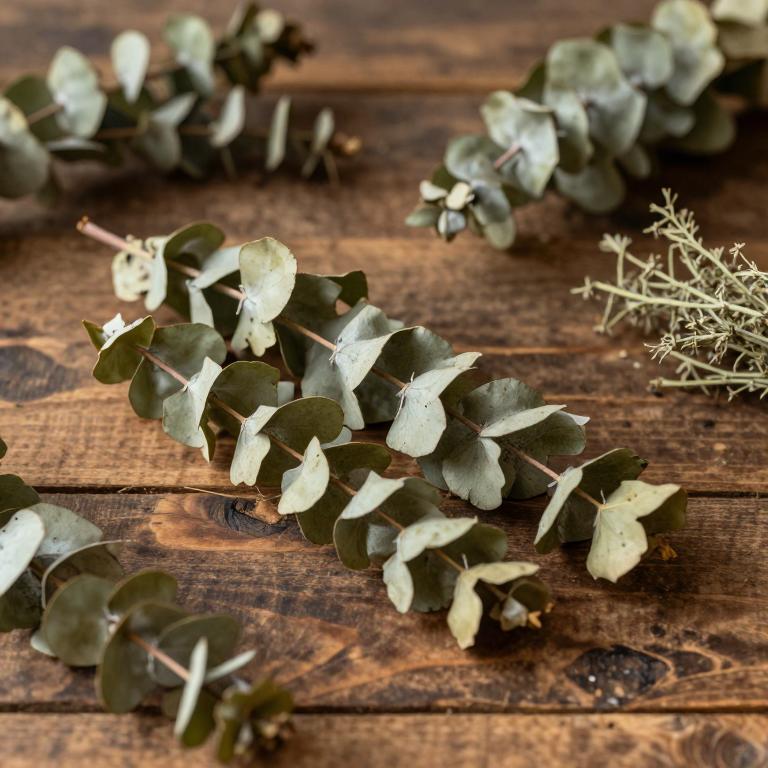
Names and Synonyms
Scientific Names
Accepted name
Eucalyptus porosaDistribution
This plant is a medicinal species native to the diverse landscapes of Australia. Its geographical range is specifically documented across several key regions of the continent. Within the eastern part of the country, it can be found growing in New South Wales. The distribution also extends southward to include the state of Victoria. Additionally, the species is recorded as being present within South Australia.
| Region | Area |
|---|---|
| Australia | New South Wales |
| Australia | South Australia |
| Australia | Victoria |
Sources: The World Checklist of Vascular Plants (WCVP)
Botanical Identification
Life history
The life history of Eucalyptus porosus is characterized by a perennial lifecycle, allowing the plant to persist and maintain its biological functions across multiple growing seasons. As a phanerophyte, its regenerative buds are located high above the ground on woody stems, a structural adaptation that facilitates its development into a robust woody specimen. This phanerophyte life form is further supported by its classification as a phanerophyte, ensuring its survival through various environmental conditions by protecting its vital growing points within its elevated canopy structure.
- Life form :
- phanerophyte
- Lifecycle :
- perennial
Morphology
The morphology of Eucalyptus porosus is characterized by its growth form as a woody tree, reaching a maximum plant height of 12 m. As a self-supporting species, it does not function as a climber and maintains an independent lifestyle, lacking any parasitic or epiphytic tendencies. It is a terrestrial plant, thriving in soil rather than aquatic or semiaquatic environments.
- Aquatic :
- terrestrial
- Climber :
- self-supporting
- Epiphyte :
- terrestrial
- Growth form :
- tree
- Parasite :
- independent
- Plant height max:
- 12 m
- Woodiness :
- woody
Physiology
The physiology of Eucalyptus porosus is primarily characterized by its utilization of the C3 photosynthetic pathway, a mechanism in which carbon dioxide is fixed directly into a three-carbon compound during the first stage of the Calvin cycle. This metabolic process involves the enzyme RuBisCO, which facilitates the carboxylation of ribulose-1,5-bisphosphate, making the plant's energy production highly dependent on the availability of moisture and optimal ambient temperatures to minimize photorespiration. The physiological efficiency of this C3 pathway dictates the plant's water-use efficiency and its ability to manage gas exchange through stomatal regulation, which is critical for maintaining turgor pressure and metabolic stability in its native environmental conditions.
- Photosynthetic pathway :
- C3
Reproduction
The reproduction of Eucalyptus porosus is characterized by the production of seeds that exhibit significant variability in weight. The seed mass within a population ranges from a minimum of 0.0002 g to a maximum of 0.00313 g, reflecting a diverse distribution of embryo sizes and nutrient reserves. On average, the seed mass is measured at 0.001665 g, a metric that plays a crucial role in the establishment and survival of the progeny in its natural habitat.
- Seed mass max:
- 0.00313 g
- Seed mass mean:
- 0.001665 g
- Seed mass min:
- 2e-04 g
Sources: Global Inventory of Floras and Traits (GIFT)
Chemicals
Eucalyptus porosa has 73 reported phytochemicals identified across 0 scientific publications and several other databases. The most consistently reported chemicals include 1,8-Cineole, A-MUUROLENE, ALPHA-PHELLANDRENE, ALPHA-PINENE, ALPHA-SELINENE.
| Chemical | Supporting sources | Consensus |
|---|---|---|
| 1,8-Cineole | 1 supporting sources | ★☆☆☆☆ |
| A-MUUROLENE | 1 supporting sources | ★☆☆☆☆ |
| ALPHA-PHELLANDRENE | 1 supporting sources | ★☆☆☆☆ |
| ALPHA-PINENE | 1 supporting sources | ★☆☆☆☆ |
| ALPHA-SELINENE | 1 supporting sources | ★☆☆☆☆ |
| Allo-Aromadendrene | 1 supporting sources | ★☆☆☆☆ |
| Aromadendrene | 1 supporting sources | ★☆☆☆☆ |
| BETA-CARYOPHYLLENE | 1 supporting sources | ★☆☆☆☆ |
| BETA-ELEMENE | 1 supporting sources | ★☆☆☆☆ |
| BETA-PHELLANDRENE | 1 supporting sources | ★☆☆☆☆ |
1,8-Cineole
- Dr. Duke
A-MUUROLENE
- Dr. Duke
ALPHA-PHELLANDRENE
- Dr. Duke
ALPHA-PINENE
- Dr. Duke
ALPHA-SELINENE
- Dr. Duke
Allo-Aromadendrene
- Dr. Duke
Aromadendrene
- Dr. Duke
BETA-CARYOPHYLLENE
- Dr. Duke
BETA-ELEMENE
- Dr. Duke
BETA-PHELLANDRENE
- Dr. Duke
Activities
Eucalyptus porosa has 176 reported activities identified across 0 scientific publications and several other databases. The most consistently reported activities include (-)-Chronotropic, (-)-Inotropic, ACE-Inhibitor, AChE-Inhibitor, Acaricide.
| Activity | Supporting sources | Consensus |
|---|---|---|
| (-)-Chronotropic | 1 supporting sources | ★☆☆☆☆ |
| (-)-Inotropic | 1 supporting sources | ★☆☆☆☆ |
| ACE-Inhibitor | 1 supporting sources | ★☆☆☆☆ |
| AChE-Inhibitor | 1 supporting sources | ★☆☆☆☆ |
| Acaricide | 1 supporting sources | ★☆☆☆☆ |
| Aldose-Reductase-Inhibitor | 1 supporting sources | ★☆☆☆☆ |
| Allelochemic | 1 supporting sources | ★☆☆☆☆ |
| Allelopathic | 1 supporting sources | ★☆☆☆☆ |
| Allergenic | 1 supporting sources | ★☆☆☆☆ |
| Analgesic | 1 supporting sources | ★☆☆☆☆ |
(-)-Chronotropic
- Dr. Duke
(-)-Inotropic
- Dr. Duke
ACE-Inhibitor
- Dr. Duke
AChE-Inhibitor
- Dr. Duke
Acaricide
- Dr. Duke
Aldose-Reductase-Inhibitor
- Dr. Duke
Allelochemic
- Dr. Duke
Allelopathic
- Dr. Duke
Allergenic
- Dr. Duke
Analgesic
- Dr. Duke