Eucalyptus pauciflora
Eucalyptus pauciflora · Accepted scientific name
Scientific literature: Very Sparse (0 studies) · ★☆☆☆☆
Eucalyptus pauciflora is a versatile plant species renowned for its potent medicinal properties. When extracted into an essential oil, it serves as a powerful bioactive component for topical applications. This plant is particularly effective when formulated into a 1% v/v 'BSHT' (broad spectrum herbal therapy) ointment. Such preparations are specifically utilized to target fungal infections, including Tinea Corporis, Tinea Cruris, and Tinea Pedis. Through these specialized herbal therapies, the plant offers a natural approach to managing various dermatological conditions.
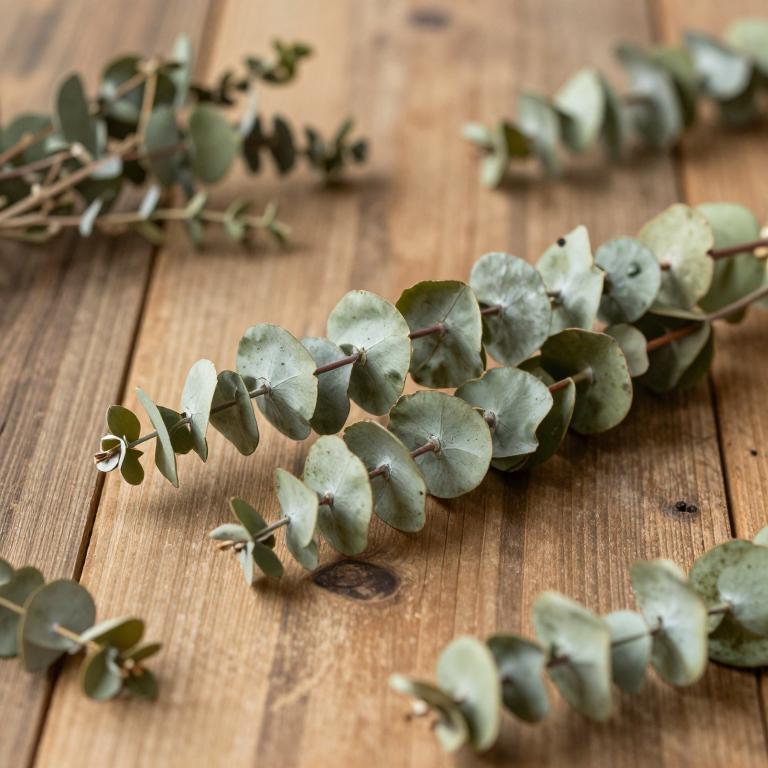
- Synonyms
- Not available
- Common names
- Not available
- Family
- Myrtaceae
- Distribution
- Not available
- Plant Parts
- Not available
Classification
Common Names
Eucalyptus pauciflora is a remarkable species known by a variety of descriptive names across different regions. Often referred to as the Snow Gum, it is also frequently called the Jounama snow gum or the Ghost Gum. In certain contexts, the tree is identified by the term Schnee-Eucalyptus to highlight its alpine habitat. It even carries the unique moniker Snöeukalyptus in specific linguistic settings. Regardless of the name used, this resilient tree remains a vital component of its high-altitude ecosystem.
Sources: Catalogue of Life (COL)
Taxonomy
Eucalyptus pauciflora is a fascinating member of the kingdom Plantae. Within this vast biological realm, it is specifically classified under the class Equisetopsida. The species belongs to the order Myrtales, which helps define its structural characteristics. Furthermore, it is nested within the Myrtaceae family, a group known for its diverse aromatic qualities. Ultimately, this plant is defined by its placement within the prestigious Eucalyptus genus.
| Rank | Classification |
|---|---|
| Kingdom | Plantae |
| Phylum | Streptophyta |
| Class | Equisetopsida |
| Subclass | Magnoliidae |
| Order | Myrtales |
| Family | Myrtaceae |
| Genus | Eucalyptus |
Sources: The World Checklist of Vascular Plants (WCVP)
Distribution
Geographic Regions
Eucalyptus pauciflora is a resilient species native to the diverse landscapes of Australasia. Its natural distribution spans a significant portion of the Australian continent, ranging from the northern reaches of Queensland to the southern stretches of South Australia. This versatile tree can also be found flourishing throughout the eastern states, including New South Wales and Victoria. Furthermore, its presence extends across the waters to the island state of Tasmania. Such a broad geographic range highlights the plant's ability to adapt to various regional environments.
Sources: The World Checklist of Vascular Plants (WCVP)
Identification
Morphology
Eucalyptus pauciflora is a self-supporting tree characterized by its sturdy growth form. This species can reach a maximum height of 30 meters as it matures in its natural habitat. Its structural integrity allows it to stand prominently within its ecosystem.
Sources: Global Inventory of Floras and Traits (GIFT)
Biological Activities
Compounds
Conditions
Eucalyptus pauciflora essential oil demonstrates strong antifungal activity against several human pathogenic fungi. Specifically, the oil effectively treats Epidermophyton floccosum in vitro at a concentration of 1.0 microl/ml. It also serves as a potent treatment for Microsporum audouinii and M. canis. Furthermore, the plant's oil is capable of treating M. gypseum and M. nanum. These therapeutic properties highlight the oil's broad-spectrum potential against these specific fungal pathogens.
Preparations
Eucalyptus pauciflora is prepared as an essential oil that demonstrates strong antifungal activity against various human pathogenic fungi. This oil was successfully formulated into an ointment known as 'BSHT' (broad spectrum herbal therapy) at a 1% v/v concentration. Clinical testing of this ointment on patients with skin infections showed that 60% recovered completely while 40% experienced significant improvement. The study noted that the oil does not exhibit adverse effects on mammalian skin at concentrations up to 5%. Consequently, this specific ointment formulation holds potential for commercial exploitation following further clinical trials.