Eucalyptus major
Eucalyptus major · Accepted scientific name
Scientific literature: Very Sparse (0 studies) · ★☆☆☆☆
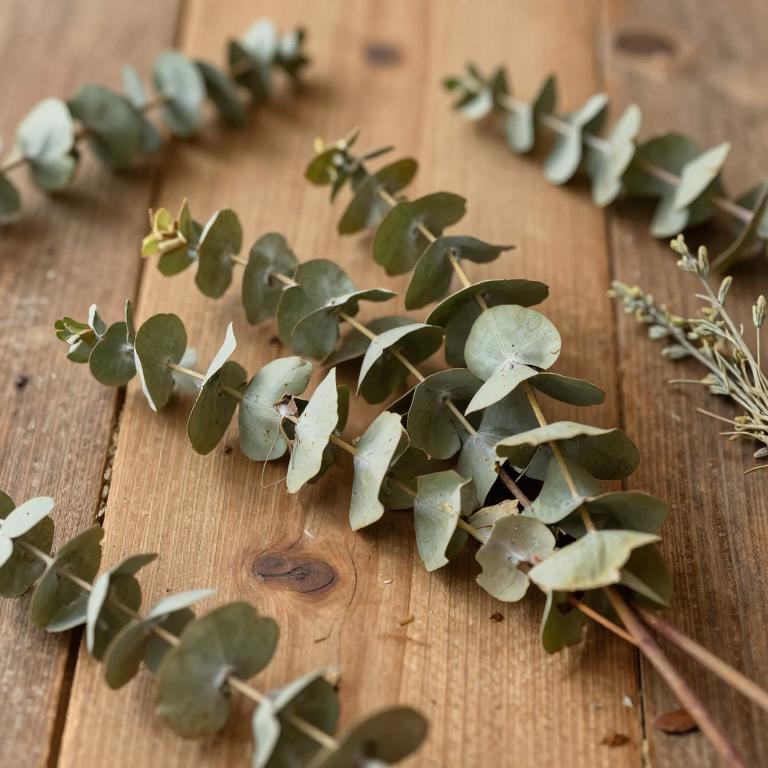
Eucalyptus major is a distinctive botanical species known for its unique aromatic properties and versatile therapeutic potential. This plant is primarily utilized in the production of various specialized extracts that capture its potent essential compounds. These concentrated preparations are highly valued in both traditional wellness practices and modern herbal formulations. By leveraging the plant's natural essence, researchers can harness its specific bioactive qualities for diverse applications. Understanding the extraction processes is essential to fully appreciating the medicinal value offered by this species.
- Synonyms
- Eucalyptus Propinqua Var. Major
- Common names
- Not available
- Family
- Myrtaceae
- Distribution
- Not available
- Plant Parts
- Not available
Classification
Common Names
Eucalyptus major is a distinguished tree species known for its unique characteristics and presence in the wild. It is widely recognized by the common name grey gum, a title that reflects its striking appearance. In certain regions, it is more specifically identified as the Queensland grey gum to distinguish it from similar varieties. This nomenclature helps botanists and enthusiasts alike pinpoint its specific habitat and identity. Understanding these various names is essential for anyone studying the diverse flora of the Australian landscape.
Sources: Catalogue of Life (COL)
Synonyms
Eucalyptus major is a distinctive species often discussed within the context of botanical nomenclature. In many scientific circles, it is recognized by its synonym, Eucalyptus propinqua var. major. This taxonomic relationship highlights the evolving nature of how botanists classify diverse plant varieties. Understanding these connections is essential for researchers working to maintain accurate biological records. Such clarity ensures that gardeners and scientists alike are referring to the same specific organism.
Sources: The World Checklist of Vascular Plants (WCVP)
Taxonomy
Eucalyptus major belongs to the vast kingdom Plantae, representing a significant branch of the natural world. Within this kingdom, the species is classified under the class Equisetopsida. It falls into the order Myrtales, a group that defines many of its structural characteristics. Further narrowing its biological identity, the plant is a prominent member of the family Myrtaceae. Ultimately, it is defined by its placement within the well-known genus Eucalyptus.
| Rank | Classification |
|---|---|
| Kingdom | Plantae |
| Phylum | Streptophyta |
| Class | Equisetopsida |
| Subclass | Magnoliidae |
| Order | Myrtales |
| Family | Myrtaceae |
| Genus | Eucalyptus |
Sources: The World Checklist of Vascular Plants (WCVP)
Distribution
Geographic Regions
Eucalyptus major is a distinctive plant species primarily concentrated within the Australasia region. Its natural distribution is most notably defined by its presence throughout the diverse landscapes of Australia. Within the continent, one can frequently locate this species flourishing in the specific environments of Queensland. This geographic range highlights the plant's adaptation to the unique climatic conditions found in these areas. Understanding its habitat is essential for anyone studying the botanical richness of the Australian wilderness.
Sources: The World Checklist of Vascular Plants (WCVP)
Identification
Morphology
Eucalyptus major is a self-supporting tree that maintains a sturdy and upright growth form. This species typically reaches a maximum height of 20 meters as it matures in its natural habitat. Its structural integrity allows it to stand independently while contributing to the forest canopy.
Sources: Global Inventory of Floras and Traits (GIFT)
Biological Activities
Compounds
Conditions
Eucalyptus major serves as one of the most effective plant extracts for inhibiting the growth of the bacterium P. mirabilis. In this study, the extract was identified among a panel of Australian medicinal plants tested for their ability to block microbial triggers of rheumatoid arthritis. It demonstrated potent antibacterial activity with a minimum inhibitory concentration value significantly below 1000 μg/ml. Unlike several other successful extracts, this specific plant species exhibited higher levels of toxicity in the Artemia nauplii bioassay. Despite this toxicity, its ability to treat P. mirabilis growth highlights its significant pharmacological potential in managing inflammatory conditions.
Preparations
Eucalyptus major is prepared as extracts to investigate its potential in treating and preventing rheumatoid arthritis. These specific extracts were tested for their ability to inhibit the growth of the bacterium Proteus mirabilis. Among a panel of various Australian plant species, the Eucalyptus major extract was identified as one of the most effective inhibitors. Despite its high potency against microbial triggers, the study noted that this particular extract exhibited different toxicity levels compared to other successful inhibitors. This research highlights the importance of preparing Eucalyptus major in extract form to evaluate its bioactive properties for medicinal use.