Eucalyptus dolichorhyncha
Eucalyptus dolichorhyncha · Accepted scientific name
Scientific literature: Very Extensive (215 studies) · ★★★★★
, scientifically known as Eucalyptus dolichorhyncha, is a distinctive medicinal plant renowned for its unique long-snouted morphology. Native to specific ecological niches, it possesses potent therapeutic properties. Often utilized in traditional medicine, its essential oils and bioactive compounds offer significant potential for treating respiratory ailments and inflammatory conditions.
- Family
- Not available
- Native range
- Australasia
- Parts used
- Not available
- Common names
- Not available
- Scientific synonyms
- Not available
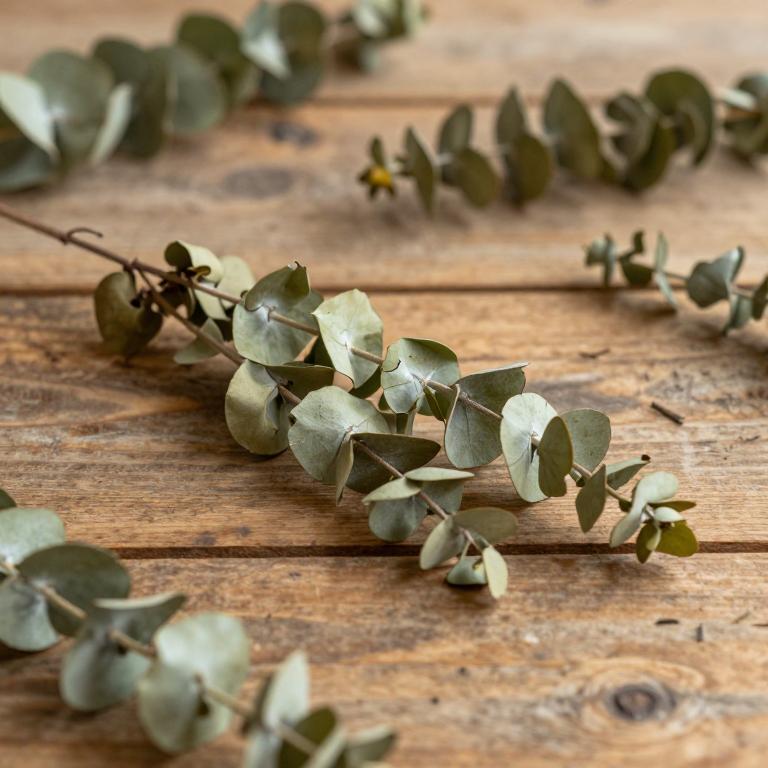
Names and Synonyms
Scientific Names
Accepted name
Eucalyptus dolichorhynchaDistribution
This plant is a specific species of eucalyptus known for its unique physical characteristics. Its natural habitat is quite restricted compared to other more widespread varieties. Regarding its geographical distribution, it is found exclusively within the country of Australia. Specifically, this species is located in the region of Western Australia. Therefore, its presence is limited to this particular part of the Australian continent.
| Region | Area |
|---|---|
| Australia | Western Australia |
Sources: The World Checklist of Vascular Plants (WCVP)
Botanical Identification
Life history
The life history of Eucalyptus dolichorhyncha is characterized by its classification as a phanerophyte, a growth form defined by having its perennating buds located well above the ground on woody stems. This life form allows the species to persist through varying environmental conditions by maintaining a significant structural height. While its primary developmental strategy aligns with being a phanerophyte, the broader ecological spectrum of its growth habit can occasionally intersect with the characteristics of a nanophanerophyte depending on the specific environmental stressors and the age-related maturation of the individual specimens. This structural robustness facilitates its long-term survival and establishment within its natural habitat.
- Life form :
- nanophanerophyte
- Life form :
- phanerophyte
Morphology
The morphology of Eucalyptus dolichorhyncha is characterized by a woody growth form, specifically categorized as a tree. It functions as a self-supporting plant, rather than a climber or liana, and is classified as an independent organism, lacking parasitic or epiphytic tendencies, as it maintains a terrestrial habit. In terms of stature, this species typically reaches a plant height ranging from a minimum of 1 meter to a maximum of 5 meters.
- Aquatic :
- terrestrial
- Climber :
- self-supporting
- Epiphyte :
- terrestrial
- Growth form :
- tree
- Parasite :
- independent
- Plant height max:
- 5 m
- Plant height min:
- 1 m
- Woodiness :
- woody
Physiology
The physiology of Eucalyptus dolichorhyncha is characterized by a specialized metabolic framework adapted to its specific environmental niches, primarily utilizing a C3 photosynthetic pathway. This carbon fixation strategy involves the direct carboxylation of ribulose-1,5-bisphosphate by the enzyme RuBisCO within the mesophyll cells, a process that dictates the plant's water-use efficiency and gas exchange dynamics. As a C3 plant, its physiological processes are highly sensitive to temperature and light intensity, often requiring sophisticated stomatal regulation to balance carbon dioxide uptake with transpiration rates. This metabolic pathway influences the overall energy conversion efficiency and dictates how the plant manages its resource allocation during varying seasonal conditions.
- Photosynthetic pathway :
- C3
Reproduction
Reproduction in Eucalyptus dolichorhyncha is characterized by the production of specialized seeds that exhibit specific mass variations essential for its dispersal and establishment. The seed mass within this species is relatively fine, with a recorded mean value of 0.002275 g. Throughout the reproductive cycle, individual seed weights fluctuate within a narrow range, reaching a maximum mass of 0.00249 g and a minimum mass of 0.00206 g. These quantitative metrics regarding seed size are critical factors in the plant's reproductive success and its ability to colonize suitable habitats.
- Seed mass max:
- 0.00249 g
- Seed mass mean:
- 0.002275 g
- Seed mass min:
- 0.00206 g
Sources: Global Inventory of Floras and Traits (GIFT)
Chemicals
Eucalyptus dolichorhyncha has 56 reported phytochemicals identified across 0 scientific publications and several other databases. The most consistently reported chemicals include 1,8-Cineole, ALPHA-PHELLANDRENE, ALPHA-PINENE, ALPHA-SELINENE, Allo-Aromadendrene.
| Chemical | Supporting sources | Consensus |
|---|---|---|
| 1,8-Cineole | 1 supporting sources | ★☆☆☆☆ |
| ALPHA-PHELLANDRENE | 1 supporting sources | ★☆☆☆☆ |
| ALPHA-PINENE | 1 supporting sources | ★☆☆☆☆ |
| ALPHA-SELINENE | 1 supporting sources | ★☆☆☆☆ |
| Allo-Aromadendrene | 1 supporting sources | ★☆☆☆☆ |
| Aromadendrene | 1 supporting sources | ★☆☆☆☆ |
| BETA-CARYOPHYLLENE | 1 supporting sources | ★☆☆☆☆ |
| BETA-ELEMENE | 1 supporting sources | ★☆☆☆☆ |
| BETA-PHELLANDRENE | 1 supporting sources | ★☆☆☆☆ |
| BETA-PINENE | 1 supporting sources | ★☆☆☆☆ |
1,8-Cineole
- Dr. Duke
ALPHA-PHELLANDRENE
- Dr. Duke
ALPHA-PINENE
- Dr. Duke
ALPHA-SELINENE
- Dr. Duke
Allo-Aromadendrene
- Dr. Duke
Aromadendrene
- Dr. Duke
BETA-CARYOPHYLLENE
- Dr. Duke
BETA-ELEMENE
- Dr. Duke
BETA-PHELLANDRENE
- Dr. Duke
BETA-PINENE
- Dr. Duke
Activities
Eucalyptus dolichorhyncha has 159 reported activities identified across 0 scientific publications and several other databases. The most consistently reported activities include (-)-Chronotropic, (-)-Inotropic, ACE-Inhibitor, AChE-Inhibitor, Acaricide.
| Activity | Supporting sources | Consensus |
|---|---|---|
| (-)-Chronotropic | 1 supporting sources | ★☆☆☆☆ |
| (-)-Inotropic | 1 supporting sources | ★☆☆☆☆ |
| ACE-Inhibitor | 1 supporting sources | ★☆☆☆☆ |
| AChE-Inhibitor | 1 supporting sources | ★☆☆☆☆ |
| Acaricide | 1 supporting sources | ★☆☆☆☆ |
| Aldose-Reductase-Inhibitor | 1 supporting sources | ★☆☆☆☆ |
| Allelochemic | 1 supporting sources | ★☆☆☆☆ |
| Allelopathic | 1 supporting sources | ★☆☆☆☆ |
| Allergenic | 1 supporting sources | ★☆☆☆☆ |
| Analgesic | 1 supporting sources | ★☆☆☆☆ |
(-)-Chronotropic
- Dr. Duke
(-)-Inotropic
- Dr. Duke
ACE-Inhibitor
- Dr. Duke
AChE-Inhibitor
- Dr. Duke
Acaricide
- Dr. Duke
Aldose-Reductase-Inhibitor
- Dr. Duke
Allelochemic
- Dr. Duke
Allelopathic
- Dr. Duke
Allergenic
- Dr. Duke
Analgesic
- Dr. Duke