Eucalyptus deanei
Eucalyptus deanei · Accepted scientific name
Scientific literature: Very Sparse (0 studies) · ★☆☆☆☆
Eucalyptus deanei, commonly known as the Mountain Grey Gum, is a majestic evergreen tree native to the coastal regions of Australia. This species is highly valued in forestry and landscaping for its impressive height and smooth, pale bark. However, certain environmental conditions can pose significant risks to the health of these trees and the surrounding ecosystem. Specifically, the presence of cercariae within local water sources can lead to complex biological interactions involving various snail populations. Understanding these delicate ecological relationships is essential for the successful management and conservation of this iconic tree.
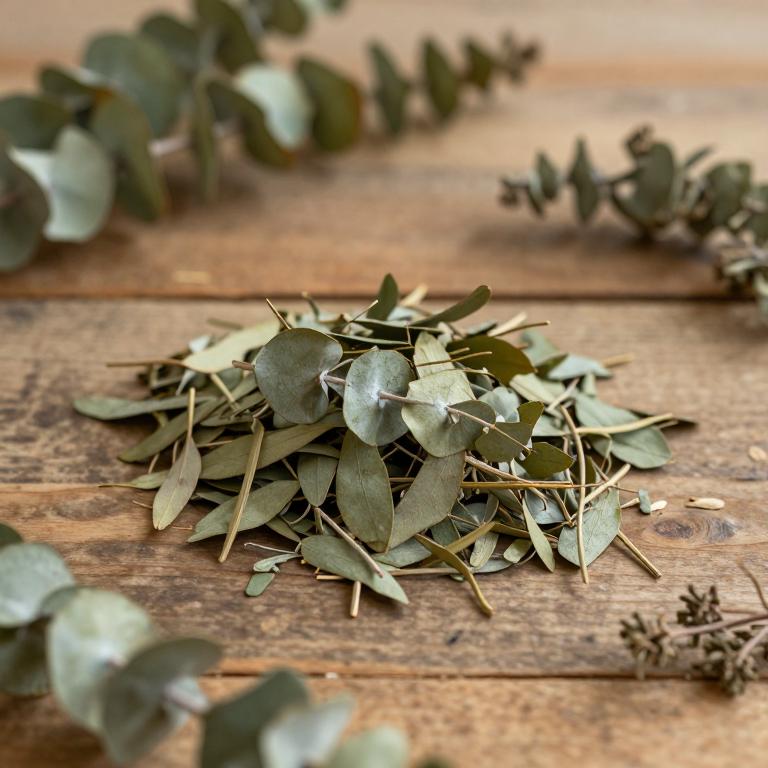
- Synonyms
- Eucalyptus Saligna Var. Parviflora
- Common names
- Not available
- Family
- Myrtaceae
- Distribution
- Not available
- Plant Parts
- Not available
Classification
Common Names
Eucalyptus deanei is a versatile species known by several distinct common names across different regions. It is frequently referred to as the Brown Gum or Deane's gum, names that highlight its characteristic bark and heritage. Some enthusiasts also call it deane's-gum or the mountain blue gum to distinguish its unique appearance. In certain linguistic contexts, you may even encounter it listed as eucalipto. Regardless of the name used, this tree remains a significant and recognizable part of its native landscape.
Sources: Catalogue of Life (COL)
Synonyms
Eucalyptus deanei is a prominent species within its genus that is often discussed in botanical literature. It is important to note that this plant is also recognized by the synonym Eucalyptus saligna var. parviflora. This taxonomic connection highlights the complex classification systems used to describe diverse woody flora. Understanding these overlapping names helps researchers maintain consistency when documenting various specimens. Consequently, identifying the correct nomenclature is essential for accurate scientific communication regarding this species.
Sources: The World Checklist of Vascular Plants (WCVP)
Taxonomy
Eucalyptus deanei belongs to the kingdom Plantae, marking its place among the diverse life forms of the natural world. Within this vast kingdom, it is classified under the class Equisetopsida. The species is further defined by its membership in the order Myrtales. It holds a prominent position within the genus Eucalyptus, which is well-known for its distinct characteristics. Finally, this tree is a recognized member of the Myrtaceae family, sharing close evolutionary ties with many other aromatic plants.
| Rank | Classification |
|---|---|
| Kingdom | Plantae |
| Phylum | Streptophyta |
| Class | Equisetopsida |
| Subclass | Magnoliidae |
| Order | Myrtales |
| Family | Myrtaceae |
| Genus | Eucalyptus |
Sources: The World Checklist of Vascular Plants (WCVP)
Distribution
Geographic Regions
Eucalyptus deanei is a distinctive species with a broad geographical footprint across several regions. Its primary distribution is centered within Australasia, where it flourishes throughout the diverse landscapes of Australia. Within the Australian continent, the plant is most notably found spanning the areas of New South Wales and Queensland. Interestingly, its reach extends beyond the mainland into the Pacific region as well. Specifically, this species has established a presence in the North-Central Pacific, including the islands of Hawaii.
Sources: The World Checklist of Vascular Plants (WCVP)
Identification
Morphology
Eucalyptus deanei is a magnificent tree characterized by its robust and self-supporting growth form. This impressive species can reach significant heights, typically ranging from a minimum of 45 meters to a maximum of 65 meters. Its towering stature allows it to stand as a dominant feature within its natural habitat. Such substantial dimensions make it a truly commanding presence in the forest canopy.
Sources: Global Inventory of Floras and Traits (GIFT)
Biological Activities
Compounds
Conditions
Eucalyptus deanei demonstrates significant biological activity against multiple stages of parasitic life cycles. The hydrolate of this species effectively treats cercaria at a 1:4 dilution. Additionally, its hydrolate shows potency in treating snail populations and egg masses. The essential oil of Eucalyptus deanei also provides treatment for snails and egg masses at 20 ppm concentrations. These combined properties allow the plant to target snails, egg masses, and cercaria simultaneously.